anthology, fantasy, fiction, long stories, old work, Uncategorized

Anna’s Hour

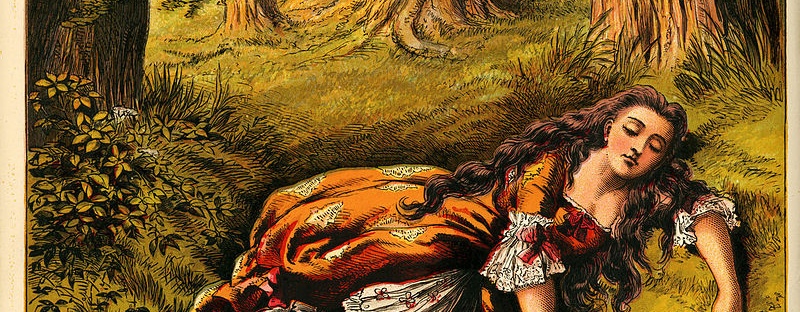
This is the first story I ever sold. It was published in 2018 in Gods & Services, an anthology of stories about a mysterious junk shop selling artifacts touched by the gods. I recently realized that the story was well past its exclusivity period, and the anthology itself had actually gone out of print. So I thought I’d upload it here. It’s a bit longer, and a bit less streamlined, than it would be if I were writing it today, but I still think it’s kind of cute. Hope you enjoy.
Simple colorblock illustration of a colorful rooster

 The rain had come up suddenly, putting a cap on Annaโ€™s miserable day. If this shop didnโ€™t have any umbrellas, sheโ€™d have to beg for a trash bag to cover her head until she got home. This was what she got for trying to do the right thing and use the buses. If sheโ€™d driven, sheโ€™d be home by now.

She looked around the musty shop, shivering as the air chilled her wet skin. The shelves were full of tumbled bric-a-brac, not particularly appealing from what she could see. There didnโ€™t seem to be a central concept here. There were obvious antiques, like the rack of porcelain dishes with curiously intricate patterns; but there were also jumbled bins of clothing and other things that could barely be called โ€œvintage.โ€ 

Anna didnโ€™t usually come into places like thisโ€”she never knew what to look for. Sheโ€™d noticed this shop before, but had always been too busy or too tired to come in. Of course, she might get fired tomorrow. Then sheโ€™d have lots of time. 

A man sat behind the counter. He was sixty or seventy, bearded, with owlish glasses that matched his expression as he looked at her. “Young lady,” he said, “you appear to have had a terrible day. Is there anything I can help you with?โ€

Anna opened her mouth to ask about umbrellas. What came out instead was, โ€Do you have any cures for total uselessness?โ€

He gave her a measuring look. โ€œOh, Iโ€™m sure youโ€™re useful to somebody. What seems to be troubling you?โ€ 

Anna sighed. โ€œBombed a presentation. I forgot everything I was supposed to sayโ€”all my facts, all my talking points. I sounded like a sixth grader giving a report on a book I didnโ€™t read. My boss was so embarrassedโ€”Iโ€™m surprised he didnโ€™t fire me on the spot.โ€ 

The man nodded. โ€œSounds like an unpleasant experience, but it doesnโ€™t have to be world-ending. It sounds like what you really need is a little more erudition.โ€

โ€œSounds great,โ€ Anna said dryly. โ€œGot any for sale?โ€ 

The shopkeeper looked thoughtful. โ€œYou know, a little confidence boost can go a long way toward improving your speaking skills. Even a nice, flashy accessory might give you the push you need to get over that stage fright.โ€ He took something from a drawer behind the counter. โ€œPerhaps something like this.โ€ He passed Anna a little gold brooch shaped like a rooster, inlaid with colored stones. 

Outside, the rain had stopped. In the silence, Anna studied the brooch. It was nothing specialโ€”her grandmother had plenty like itโ€”but something about the deeply-colored stones made it hard to look away. 

โ€œDid you know that the rooster was sacred to Hermes?โ€ the shopkeeper said. โ€œMessengers, you knowโ€”the rooster is the herald of the morning.โ€ He gestured to the brooch. โ€œWhy donโ€™t you try it on?โ€ 

Feeling oddly transgressive, Anna pinned the brooch to her blouse. It had a comfortable weight, but not enough to pull the fabric down. The shopkeeper picked up a round bronze hand mirror and turned it to face her. 

The brooch was definitely eye-catching, a pop of color on her plain white blouse. It wasnโ€™t the kind of thing she usually woreโ€”but it seemed like the kind of thing she could wear if she were a little more confident in herself.

โ€œHow much is it?โ€ she said. 

She could never remember the price afterwards, but always knew it had been a bargain.


She wore the brooch the next day, tucked against the collar of her favorite black blouse. It was much brighter than any of her usual jewelry. Stepping out into the bright sunlight, she felt self-conscious, but no one seemed to think the brooch looked strange. In fact, she caught a few admiring smiles on her way to work. 

She hadnโ€™t seen anyone since her disastrous presentation yesterday, and wasnโ€™t sure what the fallout was going to be. Would everyone just quietly ignore what had happened, and simply never assign her any presentations again? Or would she be asked to pack her things as soon as she got inside? Ordinarily Anna would be having a panic attack over this, but today she felt strangely calm. If she got fired, she got fired. At least it would give her a chance to try other things. And if she didnโ€™t get fired, then sheโ€™d have solid ground to improve from. Either way, it wouldnโ€™t be the end of the world. 

Mr. Bertram, the R&D Director sheโ€™d failed to impress yesterday, was on the elevator, was on the elevator when she got in. He smiled tightly when he saw her. Anna suddenly realized that it must have been awkward for him, too, to have to watch someone blow it so spectacularly. She greeted him as calmly as she could, and tried not to read too much into his vague mumble of acknowledgement. 

Words came to her mind as the elevator began to rise, and she said them without thinking. โ€Mr. Bertram, Iโ€™m actually really glad to see you. I was hoping I could talk to you for just a second.โ€

Mr. Bertram gestured curiously for her to continue. โ€œOf course, Ms. Young. What did you want to talk about?โ€

โ€œI just wanted to apologize for getting a little scrambled yesterday,โ€ Anna said, โ€œIt was my first time doing such a big presentationโ€”I think I got a little stage fright.โ€ 

Mr. Bertram laughed, appearing more relaxed. โ€œThatโ€™s all right. It happens to everyone. Would you like to try again?โ€ he added kindly. 

Anna couldnโ€™t have asked for a better opening. โ€I just wanted to give you some of the numbers I missed yesterday.โ€ She stepped aside for him as the elevator opened on his floor, and then followed him out. She worked two floors up, and this was going to make her late, but it seemed like it would be worth it. โ€œItโ€™s actually a really exciting project. It turns out that this newest product line has a much larger cross-market appeal than weโ€™d thought, and the projected growth is phenomenalโ€ฆโ€

Fifteen minutes later, they were drinking coffee outside Mr. Bertramโ€™s office, and Anna was still talking. Sheโ€™d gone through all her missed beats from yesterday, adding details no one had even thought of adding to the original presentation, and Mr. Bertram was still listening with avid attention. 

โ€œSo after the main line is rolled out, when everyoneโ€™s got their ducks in a row and is used to working together, what we were thinking of doing next isโ€”โ€

โ€œAnna?โ€ Her boss, Mr. Lewis, had approached without her noticing. โ€œSomeone told me they saw you down here. Hey, Bob.โ€ 

โ€œHey, Henry!โ€ Mr. Bertram said. โ€œI was just having a great conversation with your assistant here. Sheโ€™s really got her stuff together! I think sheโ€™s answered just about every question I had yesterday, and a lot I wouldnโ€™t have thought of asking. Everything sounds greatโ€”Iโ€™m really looking forward to this launch.โ€ He offered Anna his hand. She shook it, feeling dazed. โ€œSo glad we had a chance to talk, Ms. Young. Youโ€™ll have to present for us again sometimes! I think now youโ€™ve got this first one out of the way, you wonโ€™t have any more trouble.โ€ 

โ€œThank you very much, sir,โ€ said Anna. โ€œI hope so.โ€

โ€œWell, all right.โ€ Mr. Lewis looked between them with an odd mix of confusion and relief. โ€œIโ€™m glad to hear it. See, I told you, Bob, Anna was just having a rough day yesterdayโ€”really knows her stuff, actually. Did you, ah, have any more questions?โ€ 

โ€œNope.โ€ Mr. Bertram opened his office door. โ€œIf I do, you can just send Ms. Young down again with an explanation. We might have to have her do some training videos, tooโ€”sheโ€™s got a great way of explaining things.โ€ 

โ€œThank you, Mr. Bertram,โ€ said Anna again, avoiding her bossโ€™s bewildered stare. โ€œIt was really great talking to you again.โ€ To her surprise, she actually meant it.


The presentations got bigger. Other departments began asking Anna to present for them, too. She narrated training videos, gave quarterly reports, and emceed at company functions. Anna didnโ€™t get it. She was speaking more or less as she usually didโ€”just with a lot less hesitation. But even on subjects she barely knew, the message got across. For the first time in Annaโ€™s life, people were saying that she had a way with words.  

โ€œYou are really blossoming, Anna,โ€ said one of the department heads after a quarterly meeting. โ€œI remember you used to be so shyโ€”itโ€™s good to see you coming out of your shell. Youโ€™ve exceeded everyoneโ€™s expectations.โ€ 

โ€œThanks,โ€ said Anna numbly. She was standing by a window, and the winking gold reflection of her rooster brooch flashed in the corner of her vision. โ€œJust, you know, been practicing a lot.โ€

โ€œWell, whatever it is, keep it up.โ€ 

โ€œItโ€™s not that youโ€™re an amazing speaker, exactly,โ€ said her friend one night, as they celebrated Annaโ€™s latest bewildering success. โ€œI mean, itโ€™s not that youโ€™re a bad speaker, Annieโ€”youโ€™re fineโ€”but itโ€™s not like youโ€™re Winston Churchill or anything. Itโ€™s justโ€ฆ I donโ€™t know, for some reason people really seem to want to listen to you.โ€

Anna laughed nervously, fingering her brooch. โ€œWho knows?โ€ she said. 


Within a year, Anna had her own office. Sheโ€™d gotten a generous raise, everyone treated her nicely, and her projects were getting more and more interesting. The more she came out of her shell, the more she saw that speaking was an art formโ€”an interconnected dance of communication, to be practiced as often and as creatively as possible. It was bringing back memories of how she used to be before she became afraid of herselfโ€”how, as a child, sheโ€™d delivered speeches to audiences of stuffed animals, and given circus performances to her family in the living room. 

She took classes now, sometimes, trying to augment her skills in case whatever odd boost the brooch was giving her wore off. She was the star of every class she took, and was invited to join several improv teams, but still couldnโ€™t quite seem to trust it all. 

How had she gotten here? Could no one see that she was an impostor? At Maia Corporation, only prodigies advanced this fast. Most people languished in the cubicles for a few years before moving on to other, better things. But no one seemed to find Annaโ€™s advancementโ€”or her new officeโ€”unusual. When she fished for comments, people just said she needed space for all the clients who were being shepherded in to talk to her. It was a nice office, anyway. 

When she was walking back from lunch one day, Anna met a stranger.

Sheโ€™d gone to her favorite cafeโ€”now that she was making more, she could afford to eat out more oftenโ€”and was cutting through the park on her way back to the office, with a bag of bagels for later, when she stopped short. 

A man was sitting on top of a picnic table, playing an odd, sweet melody on an ocarina shaped like a turtle. He looked around thirty, handsome and athletic, with dark skin, black curls, and a full black beard. He wore a tight orange polo shirt and a rather tacky gold chain.

Seeing her, he lowered his ocarina. โ€œHello!โ€ He had a slight accent Anna couldnโ€™t place. โ€œOut for a walk?โ€

Anna held up her bag. โ€œJust lunch. That was a lovely tune you were playing.โ€ 

โ€œWhy, thank you!โ€ The man looked her up and down like a bird examining its reflection. His smile brightened when he saw her rooster brooch. โ€œWhat a nice brooch youโ€™re wearing,โ€ he said. โ€œIโ€™m very fond of roosters.โ€ 

โ€œThank you,โ€ said Anna. โ€œIt seems to give me good luck.โ€

โ€œGlad to hear it. Luck with what, if you donโ€™t mind my asking?โ€ 

Anna found herself telling him everything: the presentation, the shop, what came after. It was as if she couldnโ€™t stop talking: the man seemed to be a conduit for communication. He listened avidly, occasionally nodding. The rooster brooch on Annaโ€™s blouse winked in the sunlight, as if nodding along. 

โ€œGood luck charms can have surprising power,โ€ the man said, when Anna finally stopped talking. โ€œIโ€™m glad that this one has helped you.โ€

“Thanks,” said Anna. “It really has. Itโ€™s just that I’m not really sure where to go from here, you know? I donโ€™t really know what I’m doing.” 

“Where would you want to go?โ€ the man said. โ€œI suspect that you know more than you thinkโ€” you probably have many options.” 

A ridiculous dream popped into Annaโ€™s mind. She tried to suppress it, but the conversation was so strange anyway that she found herself telling the truth. “This will sound a bit stupid,โ€ she said, โ€œbut Iโ€™ve always sort of dreamed about being on TV. Not as an actor, but as an announcer or a talk show host or something like that. It just seemed like a cool job. I never could have done it before, but… I kind of feel like Iโ€™d be able to do it now.”

“Why not?” the stranger said thoughtfully. “Though it’s certainly different from your current job. How did you end up in this business, when your dreams were so different?”

Anna snorted. “I didn’t plan it. Who dreams of being a corporate drone? I just sort of fell into it. I guess that’s how most careers work.” She sighed. “Isn’t that sad? I bet not one percent of all the children in the world grow up to be what they want to be. How would they feel if they knew that?” 

An odd light entered her listener’s eyes. “It is a terrible shame,” he said. โ€œWith all the possibilities of this world, it is tragic that mortals should restrict themselves to such a small collection of futures. We really should do something about that.” 

Anna laughed. “What, change the world?”

“Why not?” The man began pacing, tossing his ocarina between his hands. “All it takes to change the world is one strong voiceโ€”and you have that, now.” 

โ€œI guess I do,โ€ Anna said. โ€œWhat would I do with it?โ€

โ€œJust look for opportunities. When the time is right, you will know what you can do.โ€ 

She felt oddly inspired. โ€œThanks,โ€ she said. โ€œIf I see a chance to change the world, Iโ€™ll jump for it.โ€

โ€œThatโ€™s the spirit!โ€ the man said. โ€œLive your life while you can; thatโ€™s my motto.โ€ He glanced at her lunch bag and smiled. โ€œI suppose youโ€™d better get going. Something in that bag smells wonderful.โ€

โ€œOh!โ€ Anna had completely forgotten about the bag. โ€œTheyโ€™re just bagels. Would you like one?โ€ she added impulsively. 

His eyes crinkled, so that he looked quite a bit older for a moment. Then his expression smoothed and left him youthful again. โ€œIโ€™d love one,โ€ he said. โ€œWhat kind are they?โ€

โ€œIโ€™ve got blueberry and honey wheat.โ€ 

โ€œHoney wheat, please!โ€ 

The man sounded so genuinely eager that Anna was glad to have offered. She wrapped a bagel in a napkin and handed it to him with a flourish.

He took it with a bow. โ€œAnd now, I am afraid that I must go. It has been a true pleasure. Perhaps our paths will cross again.โ€ With a wink at Anna, the stranger pocketed his ocarina and strode away. She watched him until he disappeared, wondering exactly what had just happened.

The next day, a local talk show invited Anna on as an expert speaker for a segment on small businesses. The invitation was the first of many, and soon she was well-known on the local networks. She was soon offered a regular spot on one of the networks, and then a full-time job. 

Her program was called โ€˜Annaโ€™s Hour.โ€™ It was actually only fifteen minutes at first, but the segments got longer as her audience grew. Sometimes she went around to local businesses, interviewing their owners and doing brief features on their business models. She often thought of doing one on the curio shop where sheโ€™d bought the rooster broochโ€”she felt she owed the shopkeeper something, and at least wanted to thank himโ€”but sheโ€™d never been able to find it again, and couldnโ€™t for the life of her remember the name. 

The features grew. Her focus gradually shifted away from business (which had never interested her much anyway) to human interest topics. Her ratings rose steadily, and soon she began receiving invitations to move to larger networks. One offer was too good to refuse, and Annaโ€™s Hour went national. 


Being a national media figure was not at all like running a fifteen-minute featurette on Channel 3. This was a sleeker, glitzier, sexier worldโ€”and the money, and the pressure, were correspondingly high.

People recognized Anna in public now. She wore designer clothes and had Opinions about shoes. Sometimes she was asked for sound bites about major news stories. Most importantly, she lived in New York City. Its weather, culture, and population density were staggeringly different from the city where sheโ€™d grown up. Her parents, though proud of Annaโ€™s bewildering success, said they missed her. She definitely missed them. 

Annaโ€™s Hour was a full-fledged talk show now. Anna wasnโ€™t exactly Ellen DeGeneres, but her fans were weirdly loyal. They stood outside the studio waving signs, and chanted her name as she came onstage: โ€œAn-na! An-na! An-na! An-na!โ€ It was both exhilarating and terrifying: she didnโ€™t want to disappoint them, and definitely didnโ€™t want to steer them wrong.

She always wore the rooster brooch. She was terrified to take it off. Anna didnโ€™t believe in magic, but the timing and circumstances of her success could not be ignored. What if she went onstage without the brooch and everyone suddenly realized that she had no real business being there? Crashing and burning would be a thousand times worse on this national stage than it would have been if sheโ€™d stayed back home. 

Her colleagues were fine, but none were exactly friends. The jealous, catty watchfulness sheโ€™d noticed on the local circuits was much stronger here. As stunned as Anna was by her own success, these anchorsโ€”with their degrees in broadcast journalism and mass communications, their ten and twenty years of media experienceโ€”found it much more bizarre. There were many backhanded compliments about how well Anna was doing despite her total lack of qualifications. She knew that all of them were waiting to see it crash down.

On New Yearโ€™s Eve, the network hosted a black tie banquet for its broadcast staff. Anna attended, feeling a bit like Cinderella at the ball in her bronze silk evening gown. She still wore the rooster brooch, which luckily dressed up pretty well. A few of her colleagues had noticed and commented on it, but most had much better things to do than talk to Anna. At least the food was good.

She was lingering around the edges of the crowd, nervously munching canapรฉs, when she saw someone who looked familiar: a dark-haired man with a neat black beard, wearing a beautiful tux with a golden waistcoat. He seemed to find the crowd amusing. When he saw Anna, he smiled and waved, and she realized at once where she knew him from. 

โ€œHi,โ€ she said, moving towards him, glad to find a friendly face. โ€œYou were at the park, right? A long time ago, in Raleigh?โ€

โ€œI was,โ€ he said. โ€œSo glad you remembered me.โ€ 

โ€œI didnโ€™t catch your name.โ€ Anna held out her hand. โ€œIโ€™m Anna Young. Itโ€™s nice to see you again!โ€

โ€œHermes.โ€ He took her hand and lifted it to his lips. 

She laughed nervously. โ€œLike the Greek god?โ€ she said, retrieving her hand.

โ€œExactly like that.โ€ 

โ€œYour family must be really into mythology.โ€

The manโ€”Hermesโ€”seemed to find this funny. โ€œDeeply involved. My fatherโ€™s name is Zeus.โ€

She couldnโ€™t tell if he was joking or not. 

Hermes saw her brooch, and his smile broadened. โ€œAnd thereโ€™s your little friend. Iโ€™m so glad to see you still wearing him. People these days throw things away so quickly!โ€

โ€œYeah, heโ€™s done a lot for me.โ€ Anna patted the rooster. โ€œI donโ€™t go anywhere without him.โ€ She glanced around. โ€œAndโ€ฆ are you in the broadcast industry?โ€ Hermes wasnโ€™t wearing any kind of name badge. His lapel pin was shaped like a caduceus, so maybe he was some kind of doctor, but she wasnโ€™t sure what a doctor would be doing here.

โ€œOh, I move from job to job,โ€ he said. โ€œI have some contacts here, though, and I do love a good party. Howโ€™s the food?โ€ he added, glancing at Annaโ€™s plate.

โ€œPretty good.โ€ She offered the plate. โ€œCanapรฉ?โ€

With a pleased look, Hermes selected a cocktail sausage wrapped in bacon. โ€œWhat a polite young lady you are. Iโ€™m very glad to have met you.โ€ 

Young lady, Anna thought bemusedly. She wouldnโ€™t have thought Hermes was out of his thirties. He must be older than he looked. โ€œI donโ€™t know if you heard,โ€ she said, โ€œbutโ€ฆ I guess you can tellโ€”I did end up on TV!โ€ 

โ€œI did here,โ€ said Hermes. โ€œCongratulations. Is it all you dreamed it would be?โ€ 

โ€œI guess so.โ€ Following his lead, Anna moved away from the edge of the crowd, into an alcove with chairs and a small decorative fountain. 

โ€œYou guess so?โ€ Hermes sounded amused. โ€œWhatโ€™s missing now?โ€ 

โ€œOh, no, everythingโ€™s wonderful.โ€ She indicated the crowd, the ballroom, her elegant gown. โ€œI mean, can you believe it? How did my life turn out like this?โ€ 

She hesitated. Hermes waited, sympathetic and attentive. Once again, Anna found herself saying more than sheโ€™d meant to say. โ€œJustโ€ฆ I still feel like an impostor. I donโ€™t know how I got here. It seems like the other shoeโ€™s about to drop, and everyoneโ€™s going to find out Iโ€™m a fraud.โ€

โ€œAre you a fraud?โ€ he said curiously. โ€œDid you lie about your qualifications?โ€

โ€œWellโ€ฆ noโ€ฆ everyone here knows I donโ€™t really have any.โ€

โ€œAnd yet they hired you anyway,โ€ said Hermes. โ€œClearly the network, at least, thinks that youโ€™re capable.โ€

โ€œYeahโ€ฆ I guess so. I justโ€ฆโ€ 

โ€œAnd youโ€™re doing good work,โ€ he went on. โ€œIโ€™ve read reviews of your program, testimonials from your fans. They all seem to find your honesty and down-to-earthness very refreshing. Some even say that youโ€™ve given them the courage to transition into new careers. If you arenโ€™t misrepresenting yourself, and what you do is helping people, then what could be the harm?โ€

โ€œNothing. Itโ€™s not the job,โ€ said Anna. โ€œThe job is great. I love it. Itโ€™s justโ€ฆ the peopleโ€ฆโ€ She looked out into the ballroom, where her colleagues and competitors roamed like glittering sharks. โ€œI just always feel like I should be watching my backโ€”like theyโ€™re all going to turn on me if I make a single mistake. Have you ever felt like that?โ€

โ€œA few times,โ€ said Hermes gravely. โ€œMy family can be rather cutthroat. One must always keep at least one one step ahead of them.โ€ 

He studied Anna, and seemed to be evaluating her. Though she didnโ€™t know what he was looking for, Anna found herself hoping not to disappoint him. At last, Hermes nodded with an air of finality. โ€œThen you believe that this network will not be an appropriate long-term home for you?โ€

โ€œItโ€™s not that,โ€ Anna said quickly. โ€œWorking here is a dream come true. Itโ€™s justโ€ฆ do you know the expression โ€˜sword of Damoclesโ€™?โ€ 

โ€Iโ€™m familiar with the story,โ€ Hermes said dryly. โ€œAnd I believe I see what you mean. But what would be the solution, Anna? Would it be easier for the sword to fall?โ€ 

Anna laughed. โ€œI hope it doesnโ€™t.โ€ She offered Hermes the last of her canapรฉs. โ€œIโ€™m just wondering what Iโ€™m going to do if it does.โ€


The sword didnโ€™t fall for a while after that. 

Anna left the party slightly drunk, with Hermesโ€™ number tucked into the pocket of her evening coat. She looked for it later, but couldnโ€™t find it, and sadly concluded she must have left it in the taxi. 

Shortly afterward, her interviews began to take on a different tone.

It began subtly, with Jolena McCall, a popular home decorator, confiding to Anna onstage that she did not like the way modern society was trending. 

โ€œEveryoneโ€™s just feeding into this machine,โ€ McCall mourned. โ€œLike our lives donโ€™t mean anything as long as someoneโ€™s making a profit off of us. Isnโ€™t that depressing?โ€

โ€œUh,โ€ Anna hedged, โ€œshall we talk about that after we finish this centerpiece?โ€ They were halfway through demonstrating how to make a paper flower arrangement from recycled wrapping paper, one of the projects in the new book McCall was supposed to be promoting. 

The decorator gestured with her scissors. Anna ducked. โ€œNo, itโ€™s just,โ€ McCall said, โ€œdo you know what I wanted to be when I was little?โ€

โ€œWhat?โ€ said Anna warily.

โ€œAn astronaut. An astronaut! I wanted to be the first woman on Mars, Annaโ€”it was the dream of my life. How do you go from that to paper flowers?โ€ 

Glancing off-camera, Anna saw Becky, the production manager, making furious cut motions with both hands. She nodded numbly and turned back to Jolena. โ€œThere are always unexpected twists in life,โ€ she said. โ€œYou know, I used to be a junior marketing assistant. Nowโ€”โ€

McCall gently shoved Annaโ€™s shoulder. โ€œYes, but yours was a good twist.โ€ She picked up a paper flower and began shredding it. โ€œEveryoneโ€™s read your interviews, Anna. Youโ€™re living the dream. And Iโ€ฆโ€ 

โ€œYouโ€™re an inspiration,โ€ Anna said firmly. She took McCallโ€™s ruined flower, handed the decorator a scrap of wrapping paper to tear instead, and got back to work on the centerpiece. โ€œYou started your first decorating business at age nineteen. Youโ€™ve been called โ€˜one of the most original and versatile young artists in the field of interior design.โ€™ Your fans adore you. And this bookโ€”โ€

McCall snorted. โ€œI didnโ€™t even write it. I mean, I came up with the projectsโ€”obviouslyโ€”but all the copy was ghost-written.โ€

โ€œAt least youโ€™re open about that!โ€ said Anna desperately. โ€œIโ€™m sure Iโ€™d use a ghost-writer, too, if I had to write a book. Now, about these flowersโ€”โ€ 

โ€œAre they even important?โ€ McCall picked up the flower Anna had just finished and began disassembling it. โ€œArenโ€™t we just comforting ourselves with trifles while the world crumbles around us?โ€

Offstage, Becky appeared to have fallen into despair. Mark, the producer, was signing furiously, but Anna couldnโ€™t understand the signals. The crew looked like they couldnโ€™t decide whether to be amused or horrified.

Anna pressed on. โ€œIโ€™m sure we all feel like that sometimes. Iโ€™ve certainly felt that way.โ€ She put another flower in the bowl. โ€œBut the only thing to do about it isโ€ฆ well, do something, Jolena. Youโ€™ve got a much bigger platform than most people. Why not use it? Use your designs to promote social consciousness or something. Hire underprivileged artistsโ€”use ethically sourced materialsโ€”youโ€™d know better than me how to do it. But do something. Itโ€™s the only way out of the doldrums, I think.โ€

McCall stared at her. Anna stared back, worried both about the dead air and the growing likelihood that her guest was about to walk offstage abandon her with a table full of paper flowers. Mark and Becky watched from the wings in silent, wide-eyed horror. 

Finally, McCall made a little sound like a creaking door. Then she threw her arms around Annaโ€™s shoulders, nearly knocking over the centerpiece. โ€œThank you!โ€ she sobbed. โ€œThat was exactly what I needed to hear. Of course, youโ€™re right, Annaโ€”you canโ€™t go back, you can only go forward. And I have so much forward to go to!โ€ 

Sniffling loudly, she turned back to the audience. โ€œAs Anna said,โ€ she said, โ€œweโ€™ve all got to do what we can, in our own lives, to make the world a better place. And I just wanted to tell you, folks, that I think recycling projects like this centerpiece are so, so importantโ€”getting a little more use out of our Christmas trash before we throw it away.โ€ She brushed her hair back, looking more like herself. โ€œBut there are a lot of other things we can do for the world. We buy so many worthless consumer goods today that we really donโ€™t need, and itโ€™s such a terrible source of waste and pollution…โ€

McCall went on for another five minutes, covering everything from alternate gift ideas to desertification. The audience seemed politely supportive, but was clearly confused. โ€œThank you so much, Jolena,โ€ said Anna finally, wincing as Mark pointed at the clock. โ€œWeโ€™re almost out of time, but I really appreciate you coming to talk to me today. What do you think, folks, are you going to buy the book?โ€ 

The audience cheered weakly. Anna couldnโ€™t blame them; theyโ€™d just been emphatically discouraged from buying anything new for the next year.

She turned to McCall. โ€œAny ideas for your next book?โ€ she said.

โ€œOh, yes.โ€ McCall was holding a paper flowers, staring into it with fire in her eyes. โ€œI have a lot of ideas.โ€

With a nervous laugh, Anna closed the segment. Mark smiled tightly as she passed him on her way offstage. Remembering how many of their sponsors were in the business of producing โ€œworthless consumer goods,โ€ Anna hoped she wouldnโ€™t get in too much trouble for this. 


As it turned out, Anna did not get in trouble for McCallโ€™s rant, but only because the ratings afterward had been so good. She did receive coolly-worded emails from both Mark and Becky, asking her to keep future interviews a little more on topicโ€”but she also received a great many glowing fan reviews. 

I feel so inspired, one comment said. Iโ€™m always so lazy about activism, but watching this really made me feel like I should get off my butt and do something. Annaโ€™s rightโ€”thereโ€™s always something you can do!

Annaโ€™s always right, said another commenter. Anna for president.

Anna for queen, said a third.

Every major interview now led to an even bigger one. Soap opera stars became prime-time stars, which became pop stars and movie stars. When a former president left the set smiling, thanking Anna for โ€œone of the best interviews Iโ€™ve ever had,โ€ she had to retreat to a dark room and lie down.

She tried to keep her interviews tame, but they always seemed to wander into the brambles. A cooking demonstration turned into a debate between two chefs about the situation in Palestine. A singer promoting her new album suddenly came out as bisexual. Teenage actors from a superhero flick began comparing the movieโ€™s premise to US international policy in frighteningly political terms. 

And the ratings kept climbing. Annaโ€™s Hour was moved to evening, then to late-night. The production team didnโ€™t bother with scripts anymore; Mark just handed Anna some suggested talking points and asked that she please try not to start any wars. Everyone knew it wasnโ€™t Annaโ€™s fault that her interviews went off the railsโ€”her behavior as host was always impeccable. It was the guests who seemed determined to doom themselves, and kept finding fresh and exciting ways to do it.

And then, one day, one of them found a way to help Anna doom herself.


It started as an ordinary interview. Her guest was Homer Bulsara, a renowned psychologist, who was plugging a new book heโ€™d written on the psychology of religious belief. Anna had read and enjoyed most of the book as part of her preparation, and theyโ€™d had a rousing conversation about cults, deathbed rituals, religious art, and everything in between. 

She was just beginning to wrap up when Bulsara suddenly said, โ€œAnna, if it isnโ€™t too forward to ask, I was wondering if you subscribed to any particular spirituality?โ€ 

โ€œMe?โ€ said Anna, surprised. โ€œUm, Iโ€™m not really religious, butโ€ฆโ€ 

She found herself touching her rooster brooch, remembering certain things that had happened to her over the past few yearsโ€”coincidences sheโ€™d ignored at the time, moments of serendipity that had stayed with her although sheโ€™d consciously forgotten them. Her research for this interview had been very thorough, and at last she said, โ€œLately Iโ€™ve been looking into Greek mythology.โ€ 

โ€œThe Greek gods?โ€ Bulsara looked delighted. โ€œDo you mean Hellenistic paganism?โ€ 

โ€œNot exactly,โ€ she said, a little embarrassed. โ€œJust the gods as archetypes. The stories are really fascinating. Theyโ€™re all people like we areโ€”they fight, fall in love, play pranks on each other, have childrenโ€”everything humans do. I guess any polytheistic system is going to be like that, but the Greek pantheon was what caught my attention.โ€

โ€œAny god in particular?โ€ asked her guest.

Anna felt an odd sense of reversal, as if she were suddenly the one being interviewed. โ€œHermes,โ€ she said slowly. โ€œI met a man once who had that name, which got me interested. Iโ€™ve read all his myths. Heโ€™s a remarkable figure. Weโ€™re taught in school that heโ€™s just the messenger god, so people think heโ€™s just very fast. But Hermes was also a tricksterโ€”he invented the lyre, for example, and gave it to Apollo so his brother wouldnโ€™t beat him up for stealing his cattle.โ€ A few audience members laughed. 

With an odd wave of fondness, Anna thought of Hermes the man at the party in his golden waistcoatโ€”and before that, sitting on the picnic table in the park, playing his tortoise-shaped ocarina in the summer sun. โ€œSo heโ€™s not just a messenger,โ€ she went on. โ€œHeโ€™s also associated with thieves, music, trade, travel, athletesโ€”even sex. Any kind of movement and exchange.โ€ She paused for another laugh as the audience associated those words with sex. โ€œHeโ€™s known for helping mortals sometimes, apparently just because he liked them. He helped find lost things. He invented fire. He was even a psychopomp. Heโ€™s a tremendously important godโ€”itโ€™s a shame people only remember him for the winged sandals.โ€

โ€œAs a journalist,โ€ Bulsara pressed, โ€œthe aspect of communication must be especially important for you.โ€

โ€œOh, yes!โ€ Anna said. โ€œCommunication is really the root of all human progress. Itโ€™s the only reason weโ€™re not constantly at war. I mean, it may seem like we are, but for a long time war was just sort of the natural state of human societies. Itโ€™s gotten much better since weโ€™ve connected to each other more. Itโ€™s learning new languages, traveling, and generally understanding each other better that lets us see other people as human. In fact, I think itโ€™s through communicationโ€”through cooperationโ€”that weโ€™re going to be able pull ourselves out of the mire of history and up into the stars.โ€

The audience was rapt. Offstage, Mark was staring at her. Anna came back to herself with a sudden start. โ€œSo, you know,โ€ she said sheepishly, โ€œthe idea of a messenger god just really appeals to me.โ€

โ€œYou seem to be very into this,โ€ said Bulsara, smiling. โ€œPerhaps you could start your own Hermetic cult. Thereโ€™s been a lot of interest in the old religions lately.โ€ 

Offstage, Mark pointed sharply at the clock. Anna realized she was on the verge of straying over her time. โ€œIโ€™m not sure thatโ€™s a great idea,โ€ she said. โ€œI probably shouldnโ€™t be put in charge of any religions.โ€ She grinned as her audience laughed again. โ€œIf someone did want to start a cult though, I think people used to sacrifice pigs and goats to Hermesโ€”so you could probably buy him a plate of barbecue and heโ€™d be happy.โ€

She ended the program with a few more light quips, and left the stage thinking sheโ€™d done fairly well. Mark, however, stopped her with a frown. โ€œTry to leave out the weird religion stuff next time,โ€ he said coldly. โ€œWeโ€™ve got a lot of sponsors in the Bible Belt.โ€

Anna apologized, but didnโ€™t think much more of it. As it turned out, she probably should have.


โ€œI didnโ€™t know it was going to turn out like this,โ€ she said three weeks later, standing meekly in front of three of her bosses. โ€œI really didnโ€™t mean anything by it. I was just rambling.โ€

โ€œWell, your rambling has lost us three sponsors just in the last week,โ€ said the CEO, staring at a printout. โ€œAnna, you should have known better.โ€ 

Anna looked out the window of the CEOโ€™s dim office at the crowd waiting far below. Though the weather was cold, and it was drizzling slightly, it was the largest crowd her tapings had ever drawn. In addition to the usual signsโ€”Anna for President, We โค Anna, and the recently introduced Go Your Own Wayโ€”there were many new posters bearing images of palm trees, tortoises, goatsโ€ฆ and roosters. These signs bore slogans like Honk for Hermes, First Church of Hermes, Hermetic Barbecue Club, and simply Go Greek. Many of their owners wore togas. All were chanting loudly. 

โ€œTheyโ€™re very well organized,โ€ said the head of HR, who looked almost admiring. โ€œAre you sure you werenโ€™t involved in this before, Anna? I donโ€™t really see how a movement like this could grow so fast on its own.โ€ 

Anna shook her head helplessly. โ€œI wasnโ€™t involved in it at all. I mean, I saw a couple of comments online, especially after that show was uploaded, but Iโ€™ve been busy. I havenโ€™t participated in any discussions or anything. Itโ€™s justโ€ฆ one of those strange things.โ€ 

The Head of Creative Affairs looked out the window, sighing. โ€œItโ€™s just too weird, Anna. You know we respect you tremendously as a host, but this is not the image weโ€™re trying to project. Weโ€™ve got to stay family-friendlyโ€”there are statues with penises out there!โ€

โ€œHerms,โ€ Anna said, nodding glumly. โ€œTurns out Hermes was a fertility god, too.โ€

The HCA shook her head. โ€œThis is not something we can put back in the bag, Anna. Iโ€™m sorry.โ€

Annaโ€™s stomach dropped. Sheโ€™d always known this would eventually happen, but as the weeks and months and years had passed, sheโ€™d begun to wonder if she might actually get to keep the success sheโ€™d lucked into. โ€œAre you sayingโ€ฆโ€

The CEO looked sympathetic, but firm. โ€œWeโ€™d work it out if we could, but even before all this weโ€™d had a lot of complaints about you from some of our more conservative sponsors. And now youโ€™ve started a pagan religious movement? I mean, if youโ€™d just gotten into Scientology or something, we could have played it off, but this is beyond the pale. I know youโ€™re not fully responsible for how this has taken off, but we just canโ€™t have you associated with the network anymore. You can finish out the season, Anna, and thatโ€™s going to have to be it.โ€ 

Anna nodded slowly, touching her rooster brooch. โ€œThank you for letting me know,โ€ she said. โ€œItโ€™s been an honor working here. Iโ€™ll try and end things on a high note.โ€ With a nod to all her bosses, she left the room.

She was walking down the stairs, cutting home a little early, when her phone began to ring. Answering, Anna was startled to see the name Hermes on the incoming call display. Had she put his number into her phone after all? 

โ€œHello?โ€ she said glumly. 

โ€œAnna!โ€ Hermesโ€™ voice was just as she remembered, rich and jovial, with that slight accent she couldnโ€™t identify. โ€œHow are things going?โ€ 

Anna laughed. โ€œI guess they could be worse.โ€ 

โ€œThings can always get worse,โ€ he agreed cheerfully. โ€I just wanted to check in. Iโ€™ve seen your program. You seem to be doing very well!โ€

โ€œUhโ€ฆ Thanks. I guess so,โ€ Anna said. 

โ€œIโ€™m in the area, as it happens,โ€ said Hermes, clearly unfazed by Annaโ€™s gloominess. โ€œWhy donโ€™t you have dinner with me? Thereโ€™s a lovely-looking new barbecue place over in Midtown Iโ€™d like to try.โ€

Though she was in no mood to be social right now, Anna agreed anyway, and wrote down the name. Maybe a little company would cheer her up.


The restaurant was called the Palm and Myrtle. It was a fusion joint, โ€œinspired by global grill cuisines,โ€ with lots of fried kimchi and grilled fruits and honey glazes on the menu. It was within Annaโ€™s current price range, though she realized sheโ€™d have to start economizing soon if she couldnโ€™t find a new job. Judging by the aromas in the air as she walked in, it would be worth the price anyway. 

She passed through the shady interiorโ€”blue and white tiles on white plaster, false friezes and artificial palmsโ€”and found Hermes waiting at a booth in the center of the restaurant. The moment she saw him, she knew

โ€Youโ€™re him, arenโ€™t you,โ€ she said wearily, sitting down. โ€œHermes. The actual god. Youโ€™reโ€ฆ somehowโ€ฆ actually him.โ€ 

โ€œVery good.โ€ The god looked pleased. โ€œI was afraid Iโ€™d have to convince you. Most mortals these days arenโ€™t so easily persuaded. You must have a healthy imagination.โ€ 

โ€œIโ€ฆ thanks.โ€ Annaโ€™s mind was spinning in circles, rejecting what sheโ€™d just learned. Was she dreaming? But then she must have been dreaming for the last few years.

Hermes waited patiently for her to recover. There was a sense of intense solidityโ€”of realnessโ€”that Anna hadnโ€™t noticed before. Or maybe she had, and that was what had drawn her to him. Somehow he seemed more clearly defined than his surroundings, as if he were a temporary visitor in a landscape that would soon turn to dust. For a god, that must be how it felt to visit the mortal world. Why was he wasting time with Anna, when nothing she did could have any real meaning for him? 

โ€œI guess you heard,โ€ she said. โ€œIโ€™m losing my job.โ€

Hermes nodded. โ€œFor your sake, I am sorry. But it was time, Anna.โ€

She laughed shakily. โ€œTime for what?โ€ 

โ€œI think you know.โ€ 

โ€œTime for me to lead the First Church of Hermes?โ€ Anna shook her head. โ€œI donโ€™t think Iโ€™m quite ready for that.โ€

He smiled indulgently, like an adult listening to a small child. โ€Youโ€™ve done admirably well so far. Why shouldnโ€™t you continue to do so?โ€

โ€œIโ€™ve managed so far because I have this.โ€ Anna tapped the rooster brooch, which felt slightly warm to her touch. โ€œThanks, by the wayโ€”I guess itโ€™s yours.โ€

Hermes beamed. โ€œYouโ€™re welcome.โ€ 

โ€œBut what happens if I take it off? Wonโ€™t I lose this wholeโ€ฆ thing?โ€

He cocked his head. โ€œWhy donโ€™t you try it? Take it off. Iโ€™ll hold it for you.โ€ 

Hesitantly, Anna removed the brooch. She felt a momentโ€™s panic before she gave it to Hermes. What if he didnโ€™t give it back? What if this was how he reclaimed it? But of course, if heโ€™d wanted to take the brooch away, he wouldnโ€™t have needed her help. 

Finally, Anna dropped the brooch into his palm. 

Instantly, she felt a deep sense of loss. She was about to ask for her treasure back, but just then the waiter came to their orders. 

โ€œI believe Iโ€™ll have the pulled pork,โ€ said Hermes, โ€œand, ah, the honey ale, I think. And you, Anna?โ€

โ€œAh, Iโ€™ll have the same,โ€ Anna said weakly. 

With a gracious nod, the waiter took the menus and left, obviously recognizing Anna but not saying a word about it. She made a mental note to come back here if she could. 

โ€œNow,โ€ said Hermes, โ€œwithout the brooch, why donโ€™t you try to articulate exactly how youโ€™re feeling right now?โ€ 

Anna considered. โ€œWell, Iโ€™m a little disappointed that the show will be ending. Honestly, though, I think itโ€™s as much because Iโ€™m afraid of being judged for failure as it is for the sake of the show itself, though of course Iโ€™ll miss it. Andโ€ฆ at the same time, I feel liberated, in a way, because Iโ€™m going to have some free time again, and wonโ€™t have to schedule my whole life around producing the show. And I can say whatever I want after I leave. The network put a lot of restrictions on how I could express myself. Now Iโ€™ll truly be a private citizen, so I can speak much more freely.โ€ She sighed. โ€œOf course Iโ€™m a bit worried, too, because Iโ€™m going to have to start job-hunting soon. Itโ€™s really frightening to be without a job, so on one level I feel like I should be begging the network for a second chance. But I donโ€™t think I will, because that would be an enormous blow to my pride. I have this strange feeling that Iโ€™m doing the right thing here, that Iโ€™m on the right track.โ€ She looked at Hermes. โ€œDoes that all make sense?โ€ 

โ€œI thought it was very well conveyed,โ€ said the god. โ€œYou seem to have no trouble expressing yourself. Now, hereโ€™s your little friend back.โ€ He handed her the rooster brooch, startling Anna somewhatโ€”sheโ€™d forgotten she wasnโ€™t wearing it. 

โ€œSo the brooch was just a placebo?โ€ she said, pinning it back onto her blouse. The thought was strangely disappointing.

โ€œOh, no,โ€ said Hermes, โ€œthe effects were completely real. You can consider the brooch a set of training wheels, if youโ€™d like. It kept you from failing while you were learning new oratory skills, as well as helping you to learn the skills themselves. Wearing it, and exercising your new talents, has made some new connections in your brainโ€”improved your processing speed, so to speak, so that youโ€™re never at a loss for wordsโ€”and changed your brainโ€™s chemical balance to reduce fear and encourage risk-taking. But youโ€™re not going to revert if you donโ€™t wear it. The changes are permanent. My gift to you.โ€ He smiled. โ€œYouโ€™re different now, Anna. Youโ€™re not who you were before.โ€

Anna felt a chill. Her family, too, had often said lately that Anna had changed so much they barely recognized her. โ€What if I want to be who I was before?โ€ she said.

โ€œDo you?โ€ said Hermes. 

She paused. โ€œNo,โ€ she said after a moment. โ€œI love who I am now. I never want to go back to being scared all the timeโ€”it was so miserable and boring! I just wanted to know if it was possibleโ€”if I could go back if I wanted to.โ€

Hermes shrugged. โ€œI suppose so, if thatโ€™s really what you want.โ€ He leaned back as the waiter arrived with their food. โ€œIf you stop using your gifts,โ€ he said, when the waiter was gone, โ€œif you stay away from people, close yourself off entirelyโ€”I suppose that youโ€™d revert more or less to the way you were before. But I donโ€™t believe thatโ€™s what you want.โ€

โ€œNo,โ€ said Anna quickly, picking up her sandwich. โ€œI was never happy before. I was really glad to be able to change. Justโ€ฆ itโ€™s scary, you know? Looking in the mirror and seeing a different person. Hearing a new voice when I talk. I know itโ€™s meโ€”the thoughts Iโ€™m expressing are mineโ€”but at the same time I feel sometimes like thereโ€™s someone else in my head, telling me what to say.โ€ She glanced at Hermes, who was devouring his sandwich with obvious satisfaction. โ€œWhy do you do it?โ€ she said. โ€œWhy did you take the time to help me?โ€ 

โ€Oh, I like to help people out,โ€ said Hermes. โ€œI always have. You mortals are much more interesting than the people I hang around with. Your little dramas burn fast, but hotโ€”I could eat them up like popcorn. And, well, youโ€™re at a disadvantage, arenโ€™t you, against the gods? So I like to help sometimesโ€”especially when the mortal is deserving.โ€ He gave her one of his bright golden smiles. โ€œAs you are, Anna.โ€

โ€œThank you,โ€ Anna said, but her heart wasnโ€™t in it. Sheโ€™d read enough to know that altruism really wasnโ€™t in Hermesโ€™ character. He was a trickster: he never did anything without a reason, or at least without knowing it would benefit him in some way. So how would this benefit him?

And then she had it. โ€œThe movement,โ€ she said, shaking her head. โ€œThe fans. Thatโ€™s what you get out of it, isnโ€™t it? Worshipers. A cult.โ€ 

Hermes winced. โ€œPlease donโ€™t call them that. It has such negative connotations these days.โ€

โ€œAnd what am I, your priestess or something?โ€

โ€œNot if you donโ€™t wish to be,โ€ said Hermes. โ€œOf course I would never press a mortal into involuntary servitude. But as far as Iโ€™m concernedโ€ฆ yes, if youโ€™re happy with the job, Iโ€™m certainly happy to have you in it. Itโ€™s really been a real pleasure to see you come into your own. And thereโ€™s a good deal more work you could be doing, if you wanted to.โ€ 

Anna laughed a little hysterically. โ€œWork? What kind of work? Did you see those people outside today? What am I supposed to do with them? I feel like theyโ€™re my responsibility.โ€ 

He shrugged. โ€œDo as any cult leader doesโ€”use their money and labor to accomplish something interesting.โ€

โ€œWhat? I canโ€™t do that!โ€ Anna said, shocked.

Hermes looked blank. โ€œWhyever not?โ€

โ€œBecause itโ€™s unethical, thatโ€™s why! I donโ€™t want to take peopleโ€™s money!โ€ 

For a moment, the god looked surprised. Then he sighed. โ€œOh,โ€ he said glumly. โ€œYouโ€™re one of those.โ€

โ€œOne of what?โ€ said Anna, a little affronted. 

โ€œMoralists. Restrictivists. Trying to live your lives according to arbitrary rules. Iโ€™ll tell you, my dear, the rules do not apply in many situations. I promise youโ€™ll have much more fun if you can manage to forget them.โ€ 

โ€œBut I donโ€™t want to forget them,โ€ said Anna. โ€œI want to do the right thing. And I want to encourage other people to do the right thing, too. Otherwise, whatโ€™s the point?โ€ 

Hermes shrugged. โ€œSo do it. You have the pulpit. Use it. Your followers are eating out of your hand now. Encourage them to invest in, oh, I donโ€™t know, green energy. Tell them to vote for less offensive political candidates. Have them begin to accumulate land and capital for when the revolution inevitably comesโ€ฆโ€ 

Anna snorted. โ€œIโ€™m not sure thatโ€™s a great idea,โ€ she said. โ€There are already people calling for my head, you know.โ€ 

The god nodded. โ€œTheyโ€™ll do that. But itโ€™s not necessarily a bad thing. Everything I have, you know, I got by making people angry and finding creative ways to mollify them. I suspect youโ€™ll have to do the same.โ€ 

Anna nodded thoughtfully, taking another bite of her sandwich. It was actually very goodโ€”the meat spicy and tender, the sauce a combination of flavors she didnโ€™t recognize. Swallowing, she said, โ€œYou know, itโ€™s funny. Usually when you read about gods helping mortals, itโ€™s stories like Prometheus…โ€ 

โ€œPrometheus was a Titan,โ€ said Hermes dismissively. โ€œAnd irrationally fond of humans. You donโ€™t need another gift like fireโ€”youโ€™ve all done more than enough damage with that. What Iโ€™ve given you is more in keeping with your speciesโ€™ natural capacitiesโ€”skills you might have developed yourself, had you grown up differently.โ€ 

He looked out across the restaurant, his gaze flicking across the waiters in their clean white shirts, the rainstorm brewing outside. โ€œThis world keeps trying to stitch itself together into one big Gordian knot of sickness and corruption and misery. If you can find a way to topple the monolith, Annaโ€”to make people seek their own way, instead of living their lives by roteโ€”you might bring a lot more happiness into the world.โ€ 

โ€œSo Iโ€™m supposed to be a force of disunity?โ€ Anna said dryly. โ€œI wasnโ€™t expecting that.โ€

Hermes laughed. โ€œYes, itโ€™s a bit of a swindle, Iโ€™ll admit. But swindles are my strong suitโ€”I can guide a good swindle better than any crusade.โ€ 

โ€œWhat if I die?โ€ Anna said. โ€œThe networkโ€™s already gotten a couple of bomb threats over all this. Thereโ€™s a very good chance that Iโ€™m going to end up dead if I keep working with this movement.โ€

โ€œYou may be overestimating the danger,โ€ said Hermes. โ€œIโ€™ll still keep an eye on you now that the catโ€™s out of the bagโ€”especially since you are my priestess.โ€ He smiled almost fondly. โ€œBut if you do die, I can offer you a position in the afterlife. I certainly wouldnโ€™t drop such a promising agent just for being postmortal.โ€ He shrugged. โ€œBut of course itโ€™s entirely your choice. If you find this too frightening, Iโ€™ll be on my way, and you may continue your life without any more of my interferenceโ€”and, of course, you may keep the brooch.โ€ 

Anna stared into the amber bubbles rising through her beer. Part of her said that she should walk away nowโ€”go back to Raleigh, see her family, use what money sheโ€™d saved to start a small business or something. 

But the thought of leaving this life behind was incredibly painful. Sheโ€™d already begun to settle into the fabric of the city and the city was seeping into her bones as well. She would always miss it if she went home again. And being in front of a crowdโ€”feeling them all hang on her every word, knowing what sheโ€™d said would stay with them long after sheโ€™d forgotten about themโ€”she couldnโ€™t give that up. This was the most interesting life she could have asked for. She couldnโ€™t go back to anything else. 

โ€œAll right,โ€ she said, beginning to smile. โ€œIโ€™ll be your priestess. What did you have in mind?โ€

โ€œThatโ€™s the spirit!โ€ The god leaned forward, eyes bright as comets. โ€œWell, then. Letโ€™s get started.”


The final taping of Annaโ€™s Hour drew the largest and most enthusiastic crowd ever. When Anna stood at the front of the stage and informed her audience that she would not be returning the next season, their cries and groans shook the ceiling. โ€œI know,โ€ she said, when their outrage had subsided to rebellious mutters. โ€œIโ€™m sad about it, too. But it doesnโ€™t have to be the end for us. Iโ€™d like to take these last few minutes to talk to you about a new project Iโ€™ve been working on.โ€ 

She signaled to the production manager to press play.

A screen lowered from the ceiling, displaying a YouTube video with Annaโ€™s face in the center. โ€œHello,โ€ said the Anna on the screen. โ€œWelcome to the first episode of Annaโ€™s World. Iโ€™m Anna Young, and I think itโ€™s time we talked about the futureโ€ฆโ€ 


Image by TylilJura

anthology, books, collaboration, fantasy, fiction, long stories, reading, science fiction, short stories, wandering grove press, writing

Interview with Ceaseless Way contributor Allegra Gulino

Hello, all! Here’s one more interview with another contributor to our collaborative anthology, Allegra Gulino. Remember, The Ceaseless Way: An Anthology of Wanderers’ Tales is still on sale in paperback for a few more days, so if you’re looking for something to read while you’re home for the holidays, this is a great time to check it out! The paperback version is available here, and the ebook version can be found on a number of platforms here. (If you want to learn more about our collaboration group, Wandering Grove Press, you can join our Facebook group here or follow us on Bluesky here.)

If you missed my previous interviews with Fraser Sherman and Ada Milenkovic Brown, you can check them out here and here.


1.ย ย  Do you think your two stories are a good representation of your usual style and subject matter? Is there anything about them thatโ€™s unusual for you?

My stories in Ceaseless Way are a good representation of my usual style and subject matter because theyโ€™re excerpts from my novel,ย  Monsters Unbound, which Iโ€™ve been working on for about two years. This project has become my world, and its tone is a culmination of a lot of my previous work.

2.ย ย  Whatโ€™s one style or plot element youโ€™d like to โ€œstealโ€ from another contributor?

If I were to โ€˜stealโ€™ from any other contributor here โ€“ which I donโ€™t condone doing โ€“ Iโ€™d probably take Ada Milenkovic Brownโ€™s folkloric elements, Fraser Shermanโ€™s brevity and quick action, Katherine Traylerโ€™s dreamy atmosphere, Rich Matrunickโ€™s sense of peril, Secily Slukerโ€™s metaphysical vision and Arden Brookโ€™s whimsey.

3.ย ย  Are there any anthologies or collections youโ€™ve really enjoyed reading lately?

I recently subscribed to the classic Fantasy and Science-Fiction magazine. While itโ€™s not officially an anthology, its collection of short stories, one or two poems and a few pages of book reviews do feel like one. So far, Iโ€™ve enjoyed diving into a diverse variety of writing styles, genres and themes within its pages (yes, itโ€™s a physical magazine). I always find tales to admire, be intrigued by and sometimes, to figure out โ€“ Iโ€™m not the best at parsing hard Science-Fiction.

4.ย ย  What writers have had the greatest influence on you throughout your writing journey?

There are a plethora of author influences for me, starting with YA classics, The Lion, The Witch and The Wardrobe series by C.S. Lewis, and A Wrinkle In Time trilogy by Madeline Lโ€™Engle. I cannot remember which came first, those two, or when I picked up J.R.R. Tolkienโ€™s The Hobbit, but I was instantly hooked by the wonderful journeys that all three authors illustrate. In High School, I fell in love with Frank Herbertโ€™s Dune series, and Stephen R. Donaldsonโ€™s Chronicles of Thomas Covenant. In class I was awed by Flowers for Algernon by Daniel Keyes, A Separate Peace by John Knowles and Jayne Eyre by Charlotte Bronte. In college, my English Literature major steered me toward classical literature. I came to favor the works of Virginia Woolf, William Faulkner, Lawrence Sterne, William Blake, John Donne, Emily Dickinson, James Joyce and D.H. Lawrence. More recently, Iโ€™ve come to love Ursula Le Guin, Emile Zola, Salman Rushdie, Margaret Atwood, Thomas Pynchon, and Marcel Proust. Over the years Iโ€™ve learned about writing craft (and continue to do so) and also about the attributes that I admire in books, so my reading standards have risen. Though my writing is grouped under the umbrella of Speculative Fiction, Iโ€™ve always read widely.

5.ย ย  What is your editing process like? How long does it take you to bring a story from start to finish?

I edit while I write, instead of throwing the words down quickly and then going back to edit. This is because when I write, my vision for the scene is keen โ€“ I feel a sense of urgency about getting it as close to how I picture it as possible before I move on to the next section. Therefore, Iโ€™m not a fast writer, so focusing on daily word counts would only frustrate me because theyโ€™re usually not very high.ย  I spend lots of time refining and reworking, not just on typing more words, However, once Iโ€™m satisfied with a chapter or section of the piece โ€“ itโ€™s very polished and I donโ€™t need to revisit it often. Then I can tackle what comes next.

6.ย ย  Do you have any hobbies that arenโ€™t related to reading or writing?

I love to sing โ€“ usually karaoke singing, though I was a community choir member for twelve years. I also love music and to dance โ€“ nothing professional. I frequently perform at No Shame Theatre events. Aside from that, Iโ€™m a consummate lap swimmer and gym goer. I also love to hike and to travel. When not out and about, I enjoy staying at our home in the woods, by a creek, where I give attention to our three darling rescue cats, a sixty gallon aquarium, house plants and garden.
|

7.ย ย  Are there any songs or pieces of artwork that capture the โ€œvibeโ€ of your stories (or of other stories in the anthology)?

I have a playlist that Iโ€™ve used for writing Monsters Unbound. Itโ€™s instrumental music from classics like Mozart, Franz Liszt, Beethovan, Chopin and Vivaldi, to more recent composers such as Satie, Leonard Bernstein and Leos Janacek, Igor Stravinsky. I also enjoy global pieces from South America, Africa, India, Romani culture and so on. I love composers like Andreas Vollenweider or the Silk Road Ensemble, that have multicultural instruments, rhythms and tunes. That playlist also includes soundtracks, from Bram Stokerโ€™s Dracula, to Merchant and Ivory films, to Frida, to the Lord of the Rings and the Hannibal series. I love music that takes me on a journey, full of pathos, drama, or tenderness, but usually with at least a hint of darkness.

8.ย ย  Are there any real-world places that inspired your two stories?

Absolutely, for Monsters Unbound. To inform and inspire my book, we went to Romania for two weeks last summer to collect information, imbibe atmospheres and explore historical sites. It was a fantastic trip and I want to go back! However, while my two stories in Ceaseless Way are set in real places โ€“ environments that I researched โ€“ they are not specific locations within that backdrop.

9.ย ย  What would be the ideal place and time to enjoy each of your stories? What snacks and drinks would pair well with your stories?

A fascinating question. For Demon, He Called Me, it would add to the atmosphere if you could read it on a dock, by a river or on a boat, so you can hear the water lapping.ย  As far as what to eat, I have two suggestions. The more luxurious would be a caramel/chocolate confection with sea salt, and a port wine. Or a nitty gritty option โ€“ย  sardines or anchovies and water to drink. For The Ortega Wolves Migrate North, some good Mexican fare, like pozole or chalupas, with sangria, consumed in a desert environment or at least near some cacti in a sunroom.


Thank you, Allegra! Happy holidays, everyone. I hope these interviews have inspired you to check out the book! : )


Cover image by GetCovers; original cover concept by Arden Brooks.

anthology, books, collaboration, fantasy, fiction, horror, long stories, professional life, reading, science fiction, short stories, wandering grove press, writing

Interview with Ceaseless Way contributor Ada Milenkovic Brown

Hello, all! Here’s another long-belated publicity post for our new collaborative anthology (The Ceaseless Way: An Anthology of Wanderers’ Tales). This week, contributor Ada Milenkovic Brown talks about her two stories in the anthology and what led her to write them.

Again, if you’re interested in picking up a copy of this book, this is a great week to do so. The paperback version will remain on sale for $9.99 USD until January (at which point it will return to the normal price of $12.99). If you prefer ebook, it’s available on a number of platforms for $5.99 and will remain at that price. If you want to learn more about our collaboration group, Wandering Grove Press, you can join our Facebook group here or follow us on Bluesky here.

If you missed my previous interview with Fraser Sherman, you can check it out here. One more interview with contributor Allegra Gulino should be up in a couple of days.

(Ada also interviewed me, Fraser, and Allegra for this promotional mini-tour, so please check out those interviews as well!)


Headshot of Ada Milenkovic Brown
  1. Do you think your two stories are a good representation of your usual style and subject matter? Is there anything about them thatโ€™s unusual for you?ย 

    I think In Valleys is absolutely spot on the sort of thing I usually write, including the love story elements.ย ย 

    I was actually intending to write something more fantasy based for my Bigfoot story, Nnnโ€™s Children, but it just came out more realistically than I expected. Other than that, it is my style to write as plausibly as possible within the framework of the story world. So maybe it is in my usual style too.

  2. Whatโ€™s one style or plot element youโ€™d like to โ€œstealโ€ from another contributor?

    If I could bottle Rich Matrunickโ€™s tone/mood/voice in Fading, I would bathe in it, metaphorically speaking. Other than that, I envy everyone elseโ€™s apparent ease with getting their stories to arc in a satisfying way. It is so so hard for me to find that in the initial stages of writing my fiction.

  3. Are there any anthologies or collections youโ€™ve really enjoyed reading lately?

    I loved and learned a lot about what makes stories work from Charlie Jane Andersโ€™ collection Ever Greater Mistakes.


  4. What writers have had the greatest influence on you throughout your writing journey?

    When it comes to writers Iโ€™ve read, itโ€™s Zenna Henderson, Ray Bradbury, N. K. Jemisin, and Jeffrey Ford. I would say the writers whoโ€™ve had the greatest influence on me as teachers were Octavia Butler, Andy Duncan, Walter Jon Williams, and Nancy Kress.


  5. What is your editing process like? How long does it take you to bring a story from start to finish?

    Sometimes it takes me weeks, sometimes it takes me years. For the regular editing, I just pick away at it, like a painter adding a dab of paint here and there, until I can make it different, but I canโ€™t make it better.ย  My real pitfall is plot holes and endings.ย  These are what take me a long time sometimes to find the inspiration to realize where the story needs to go. But Iโ€™ve gotten better at that over the years.


  6. Do you have any hobbies that arenโ€™t related to reading or writing?

    Singing. Iโ€™m a lyric soprano and have sung solos in performances with choirs and at weddings and funerals. I tend to get asked to sing more funerals than weddings. I donโ€™t know what that says.

    Iโ€™m also an oboist.

    Acting, although a case could be made that figuring out how to portray a character onstage is very akin to writing a character.

    Hiking and cycling, but I sometimes get story ideas while Iโ€™m moving around out in nature, so maybe thatโ€™s related to writing too.

    I do origami to relax.


  7. Are there any songs or pieces of artwork that capture the โ€œvibeโ€ of your stories (or of other stories in the anthology)?

    I vibe with surrealist paintings for the most part, such as: Paul Delvauxโ€™s The Village of the Mermaids and just about any painting by Leonora Carrington. In fact, Leonora Carringtonโ€™s work could fit with our entire anthology.


  8. Are there any real-world places that inspired your two stories?

    Because five of my published stories take place in particular spots in North Carolina, I decided to continue writing a collection made up entirely of stories based in particular places in that state (where I live).ย  Littleton, NC and Medoc Mountain State Park nearby have had Bigfoot sightings, and that is why I wrote a Bigfoot story set in that locale.

    Although the medieval village in my In Valleys story is fictional, the original 1860 story itโ€™s based on mentions a nearby village that does exist. It was my discovery that the nearby village was in East Germany near the (Communist period) wall that triggered the ideas for In Valleys Where Eternities Lie.


  9. What would be the ideal place and time to enjoy each of your stories? What snacks and drinks would pair well with your stories?

    Thereโ€™s never a bad time to read. But otherwise, good lighting and a comfy chair, sofa, bed.ย  Although I think readers might feel an extra resonance if they read Nnnโ€™s Children outside, say under a shady tree.

    Apples figure into both of my stories, so maybe readers should eat an apple when they read them. Otherwise, I usually like having a glass of wine when I read.
Photograph of apples on a sunlit, leafy tree branch.

Thank you, Ada, for your interview (and for your amazing leadership in getting the contracts hammered out!). Tune in soon for one more interview and a bit more information about the anthology from my perspective.


Cover image by GetCovers; original cover concept by Arden Brooks. Headshot by/of Ada Milenkovic Brown. Apple tree image by kiyu_01.

anthology, books, collaboration, fantasy, fiction, horror, long stories, professional life, reading, science fiction, short stories, slipstream, Uncategorized, wandering grove press, writing

An interview with Fraser Sherman of ‘The Ceaseless Way’

Hello, all! As I mentioned in my last post, our anthology group, Wandering Grove Press, has put out our first anthology: The Ceaseless Way: An Anthology of Wanderers’ Tales. The paperback version is on sale for $9.99 USD until the new year, so this is a great time to pick up a hard copy if you’re interested in one. If you prefer ebook, it’s available on a number of platforms for $5.99 and will remain at that price.

This is a collaborative effort, and so I’d like to introduce you to some of my collaborators. In that spirit, here’s an interview I conducted with Fraser Sherman, a North Carolina-based writer of nonfiction and speculative fiction, whom I’ve known since I was part of the Durham Writers’ Group more than ten years ago. For more details about Fraser’s two stories in our anthology, you can read his blog posts here and here (and check out his blog in general–he updates daily and has a lot of interesting things to say!)

(Fraser also interviewed me and two other collaborators, Ada Milenkovic Brown and Allegra Gulino, so please check out those interviews as well!)


Photograph of Fraser Sherman, smiling
  1. Do you think your two stories are a good representation of your usual style and subject matter? Is there anything about them thatโ€™s unusual for you?

    Impossible Things Before Breakfast is very much my cup of tea. Historical fantasy, 1970s (the decade of my teen years. I have a lot of affection for it). Fiddlerโ€™s Black is darker and messier than usual for me.

  2. Are there any anthologies or collections youโ€™ve really enjoyed reading lately?

    Janet and Roger Carden of Crimson Streets, an online pulp magazine, gave me copies of several anthologies of stories theyโ€™ve published (I was in the first one). Theyโ€™ve been fun to read.

  3. What writers have had the greatest influence on you throughout your writing journey?

    HP Lovecraft has influenced a number of my stories, including Fiddlerโ€™s Black, though none of them turned out classically โ€œLovecraftian.โ€ Arthur Conan Doyle and Raymond Chandler have influenced the style of some of my writing. And the Kaye Gibbons quote I mention below is a big influence on my editing.

  4. What is your editing process like? How long does it take you to bring a story from start to finish?

    No telling. It takes me several drafts to figure out where the storyโ€™s going, then a couple more (usually with beta-reader feedback) to work out the plot so it flows smoothly. Then I edit for errors, spelling and word choice. The novelist Kaye Gibbons says you should write until the next word is inevitable โ€” I donโ€™t think I usually succeed at that, but itโ€™s what I aim for.

  5. Do you have any hobbies that arenโ€™t related to reading or writing?

    Bicycling. Baking bread. Watching movies. Occasionally I do sudoku.

  6. Are there any songs or pieces of artwork that capture the โ€œvibeโ€ of your stories (or of other stories in the anthology)?

    Fiddlerโ€™s Black was inspired by Abbaโ€™s โ€œDum Dum Diddleโ€ but it ended up poles apart.

  7. Are there any real-world places that inspired your two stories?

    I used Durham NCโ€™s Bean Trader coffee shop for a scene in Impossible Things Before Breakfast.

  8. What would be the ideal place and time to enjoy each of your stories? What snacks and drinks would pair well with your stories?

    Your call, readers! If you read them eating something I hate, I wonโ€™t complain.

Thank you, Fraser, for your interview (and for being our rock and general tech wizard throughout the creation of this anthology). Tune in soon for more interviews and a bit more information about the anthology from my perspective!


Cover image by GetCovers; original cover concept by Arden Brooks.

anthology, books, collaboration, fairy tales, fantasy, fiction, flash, horror, long stories, professional life, reading, science fiction, short stories, slipstream, updates, wandering grove press, writing

Anthology Release: The Ceaseless Way

Cover image for The Ceaseless Way: An Anthology of Wanderers' Tales. Cover shows an androgynous figure with a backpack starting to walk onto a winding road that leads through a rocky desert.

Hello, all! I’m happy to report that after three years, our collaborative anthology, The Ceaseless Way, is now on sale in ebook and paperback formats. A lot of work has gone into this project, and though there have been bumps in the road, we’re really proud of the project we came out with.

This is a speculative fiction anthology (mostly science fiction and fantasy, with a little bit of horror), and each of the participating writers contributed two stories. Besides myself, the writers involved are Fraser Sherman, Ada Milenkovic Brown, Secily Luker, Allegra Gulino, Arden Brooks, and Rich Matrunick. “Wandering Grove Press” is the name we’ve given to what’s essentially an online writing co-op. The book is self-published, but a lot of time and work went into it.

The paperback version will be on sale for $9.99 until the new year, at which point it will go up to $12.99, so if you’re interested in purchasing a hard copy this is the best time to do it. The ebook version will remain at $5.99. If you’d like to follow our group for updates, you can find us on Facebook here or on Bluesky here.

I’m a little behind on my publicity posts, but check this space for the next couple of weeks for interviews with some fellow authors and a couple of insights into my own stories in the antho, “We Go Hiking” and “Jenny and the Fairy Queen.”


Cover image by GetCovers; original cover concept by Arden Brooks.

books, fairy tales, fantasy, fiction, long stories, reading, Uncategorized, writing

Upcoming publication: “Serpents”: A romantic fairy tale retelling

When I was little, I spent a lot of time reading the books my mother had kept from her childhood. One of them was an abridged version of Andrew Lang’s Blue Fairy Book illustrated by Grace Dallas Clarke.

The book was illustrated in a colorful 1950s style (I don’t have a copy now, but you can see some illustrations here.) I read the book multiple times, but my favorite stories in it were “Felicia and the Pot of Pinks,” “The Princess on the Glass Hill,” and “Diamonds and Toads.”

For some reason I have a strong memory of reading this book on an airplane, though I would have been young and I’m not sure where we would have been going. Anyway, I had lots of time to pore over the illustrations. “Diamonds and Toads” particularly stuck with me. I can see the glitter of the falling diamonds from one sister’s mouth, the other sister’s sassy expression, her hands on her hips. Later, cursed for her rudeness, she looks bewildered and ashamed, turning away defensively as snakes and toads fall from her mouth.

“Diamonds and Toads” is a “good sister/bad sister” story, a motif so common in world literature that you could fill a decent-sized book just with versions of Cinderella. Lately I’m starting to think more about the bad sisters in these stories than the good ones. Some of them are cruel, but their cardinal sins are usually greed, laziness, rudeness, and pride. In return, they’re often maimed or killed. Cinderellas’ stepsisters lose their eyes in some versions of the story, and “The Two Caskets” ends with the stepsister (along with her mother) being burned alive. Sure, she was rude and lazy, but isn’t that a bit harsh?

“Diamonds and Toads” is a classic example of this story. There are two sisters–one pretty and good, one ugly and bad–and their mother, who is also ugly and bad and thus favors the girl who resembles her. She and her daughter are cruel to the pretty sister, making her do all the work and fetch the water every day at the well. (I made the sister a little more sympathetic in my story, but I hope I still captured the spirit of the original.) At the well, the good girl meets and is nice to a fairy, and is rewarded with a shower of diamonds and flowers falling from her mouth whenever she speaks. The bad sister is rude to the fairy, so she’s punished: for the rest of her life, toads and snakes will fall from her mouth whenever she speaks. Eventually “even the widow was sickened by her older daughter, and drove her out, and she died alone and miserable in the woods.”

Image source

When my friend Sonya Lano told me that Fiction-Atlas Press was calling for submissions for an anthology about fairy-tale villains getting their own happily-ever-after, my mind immediately went to “Diamonds and Toads.” I can get a bit gloomy, but I’m not a dark fantasy writer: I wasn’t sure I could write a romance about a child-murdering witch or any other serious villain. But everyone’s said something they regretted, and something about this story has always spoken to me. Plus, snakes are cool. So I decided to try it out.

Next, I needed to find a romance for my protagonist. My first idea was to have her meet up with the girl from “The Two Caskets”–terribly scarred from the fire, but still alive–and have them hit it off. But that seemed a bit too complicated for a short story or novelette, so I needed something simpler. Fortunately, Sonya suggested another possibility that was right up my alley, and I got really interested in the project. But in order for this fairy tale to work, I’d need to get my heroine on a more equal footing with her love interest, and that’s what this story is about.

“Serpents” is a novelette of about 10,700 words that follows Fan’s adventures after she’s kicked out of her family home. (The original character’s name is Fanchon, short for Francoise, so Fanny would be a more natural translation, but for obvious reasons I decided not to go with that. Frannie is my partner’s name, which would have been weird, and Fancy and Frances didn’t seem quite the vibe, so Fan it was.) Once I had the idea straight in my mind, the writing process was pretty straightforward because I was happy with the story and how it played out. I’m still happy with it, and I had a lot of fun with it, so I hope you’ll feel the same

Once Upon a Wicked Heart is a collaborative anthology from Fiction-Atlas Press. There are twelve total stories in the book, most quite a bit darker than mine from what I’ve heard but a few with happy endings. Sonya has a story there, too–a dark (less dark? haha) retelling of “The Juniper Tree”–and all the others look really interesting. There’s a universal buy page here where you can check it out, or you can look us up on Goodreads. We’re doing a pre-release sale price of 99 cents (the full price will be $2.99), so it’s a good idea to preorder if you’re interested. You can also visit us online at the anthology release party on November 19 (that’s this Saturday) on the group’s Facebook page. Sonya and I will be posting from 11 a.m. to 1 p.m. EST that day, so drop by and see us.

There are lots of other fairy tales I’d like to explore in more depth, so I hope to do more projects like this later. Is there any story that really stuck with you?

fiction, horror, long stories, writing

Long Story: Wake Your Ghost

This is the story I mentioned yesterday. I wrote it for Halloween two years ago, while I was working for a last few months in Korea waiting to be able to move to Europe. It’s heavily inspired by this song, “On The Old Mountain Radio” by Mรบm. Apparently some people find this song nostalgic and peaceful. I always thought it sounded like someone slowly suffocating to death. (The title, though, is from “Your Ghost” by Kristin Hersh.) It’s the only story I’ve written so far that’s set in Korea.

Background: Back in 2010 (I think), my friend B. N. Harrison and I spent a weekend in a cabin in the Smoky Mountains. The cabin was very spooky, and (while eating homemade bread, drinking tea, and making nostalgic visits to our alma mater and its surrounds) we decided to make like Shelley/Byron/Polidori & co. and have a ghost story-writing contest. We’ve tried repeating it a couple of times, with varying success, but in 2019 I did manage to get a story done. I’m still waiting for yours, Brittany. ๐Ÿ˜‰

This is one of the stories that I was going to rewrite, as I’ve generally had positive feedback on it but my style has changed since writing it. My writers’ group here in Prague pointed out that the setting isn’t clearly established. I worked in South Korea for more than ten years as an EFL instructor on the cyclical E2 visa, and I was so deeply entrenched in the culture of that group of workers that I didn’t really try to bridge out the story for other readers. The character of David is inspired by a certain “type” you tend to see a lot in that job, but he may not be a fair representation. I was working evenings, walking home alone at night to a temporary apartment in an unfamiliar neighborhood, and my frame of mind really wasn’t the best. For those reasons, I’ve decided to let the story stand, but I’d really like to hear what you think of it. I kind of feel like the ending goes on too long?

Also: if you’d like to read something more recent, but also spooky, I hope you’ll check out “Spirits in the Dark,” another long story/novelette I wrote around Halloween last year. It was published by JMS Books (it’s f/f romance), and can be purchased here, here, and other places. Happy reading. ๐Ÿ™‚


Wake Your Ghost

Heโ€™s the kind of person I would have avoided if Iโ€™d met him at home. Heโ€™s weird. I know that doesnโ€™t say much–plenty of people arenโ€™t sure what theyโ€™re doing socially, and Iโ€™m often one of them–but there was just something about him that made me feel unsafe.

I didnโ€™t realize it at the time. Not consciously. But in retrospect, itโ€™s what I was feeling. Itโ€™s why I always hesitated when he invited me to his house–why I looked away if he made eye contact for a second too long. I didnโ€™t want him looking at me. If he didโ€ฆ something might be able to crawl in.

I met him incidentally, late one night at the entrance to my officetel building. Iโ€™d just begun to find my way around the place, and was heading out to the convenience store for a midnight snack. He was coming in, and as I opened the door, he caught it and held it wide, stepping aside so I had plenty of room to go out. โ€œWell, hello,โ€ he said, smiling and making eye contact. (Direct eye contact isnโ€™t considered polite in Korea, so already I wasnโ€™t used to it.) โ€œNew neighbor?โ€ His accent was North American.

โ€œOhโ€ฆ do you live here?โ€ I hoped he did. A bit awkward if Iโ€™d just let a complete stranger into a building where he didnโ€™t belong.

โ€œI do indeed.โ€ He held up a set of keys and jingled them, grinning. โ€œDonโ€™t worry, youโ€™re not letting a creeper in. Or Iโ€™m the only one youโ€™re letting in.โ€

I laughed uncomfortably. In the dim glow of the entrance light, he did look a little creepy. But not for any particular reason. His hair was a little long, but plenty of male English teachers had long hair. He wore khakis and a short-sleeved dress shirt, nothing unusual for a weekday evening in June. Heโ€™d probably just come from work. He looked about 30–on the older end of the spectrum for our industry, but heโ€™d probably been here awhile. โ€œAre you a teacher?โ€ I said, just to be sure.

โ€œSure am.โ€ He grinned. โ€œAnd youโ€™re with Castle Town, I guess.โ€

I took a step back, towards the shelter of the door. He was still outside the threshold–hadnโ€™t made a move to come in–but I felt suddenly as if heโ€™d stepped into my space, revealed heโ€™d been spying on me. โ€œHow did you know?โ€ I said.

My new neighbor snorted. โ€œOnly one waygookin apartment in this building besides mine, and I knew the guy who lived there. John Barker, right?โ€

โ€œYeah,โ€ I said, relaxing slightly. โ€œHe left last week.โ€

โ€œYeah, I was here for the shouting match when he moved out. Guess he and your boss didnโ€™t get along too good.โ€

โ€œI guess.โ€ I stepped out past him, letting him take my place inside the doorway. โ€œDonโ€™t know exactly what happened. They had to hire me pretty quick, though.โ€

He nodded sagely. In the light of the downstairs hallway, he looked more normal–just a slightly eccentric white guy whoโ€™d been teaching English in Korea a bit too long. His eyes had dark circles, and his face was rough with evening stubble. โ€œBe careful,โ€ he said. โ€œIf they treat one person like that, they treat everyone like that. Best to know up front what youโ€™re going into.โ€

โ€œSounds like good advice,โ€ I said, for want of anything better to say. Iโ€™d known I was taking my chances when I signed the contract. โ€œWell, nice to meet you. Good night.โ€

โ€œGood night.โ€ He cocked his head and waved to me as I turned to go. As I stepped out onto the darkness of the street, I imagined I felt him watching me.

I saw him all the time after that. We were on slightly different schedules–he came home two or three hours later than me, when the sky was deep black and the streets were almost empty–but Iโ€™d gotten into the habit of going out, to grab a snack or take a walk around the block. I didnโ€™t like hanging around my apartment at night. It was too quiet–just me and the greenish lights and the hum of the refrigerator–and the occasional bang of a distant door, the shuffle of footsteps outside my room. I never saw anyone when I went to look. The hallway was always empty.

With David, at least, there was always noise. He would hum, jingle his keys–he had one of the few apartments in the building that opened with a key-lock instead of a number pad. Heโ€™d talk, constantly, if we were in the same place for more than a minute. Sometimes Iโ€™d meet him halfway down the street, and heโ€™d turn and accompany me to the convenience store, chatting about the news or about something his kids had done in class that day. He taught middle schoolers–boys, mostly–and seemed to like them. I still wasnโ€™t sure how I felt about mine.

On a mild night, returning from the shop, David and I stopped at a wall outside our building to look up at the moon. I leaned back, letting my shoulders press against the tangle of ornamental bushes that crowded the berm, and David sat beside me just a little closer than he needed to. I knew what he was doing, and didnโ€™t mind. I was lonely, aside from him. It would be nice to have someone for a while.

He leaned in, waited for me to respond. I angled my body towards his, smiling awkwardly, and he smiled back and kissed me.

It was fine. Pleasant. It didnโ€™t taste like anything. I let him do it again, opening my mouth to deepen the kiss. He smiled, and pushed forward, sliding his hands up my sides–and then we were fumbling and grabbing for each other, barely managing to open the door, dragging each other up the stairs in a haze of sighs and giggles. I expected weโ€™d go to my place–it was closer–but David tugged my hand until I followed him up another two flights of stairs. He opened the one door in that hallway that unlocked with a key–pushed me into the warm darkness.

As we crossed the threshold, I imagined I felt a zing, as if I were passing through a force field. But it was mild enough Iโ€™d probably imagined it. 

While David was undressing me, I realized suddenly that he was seven years older than me. Quite a gap. But I let him ease me down to the mattress, and after a while I didnโ€™t worry about it anymore.

We slept together for a month. More or less. Iโ€™m not good at keeping up with dates now. Usually weโ€™d go to his room, but sometimes heโ€™d come down to mine–late at night, or early in the morning, or on the weekend when I was having a lazy day and wasnโ€™t thinking of him much at all. Iโ€™d hear him patter down the stairs, then the solid rap of his knuckles on my door–he didnโ€™t call or text; we didnโ€™t do that. Heโ€™d drape himself outside my threshold, flirting gamely until I laughed and let him in, and then heโ€™d push me up against the wall and work me over, hands and lips and thighs all moving to the same purpose, until I broke and dragged him to bed. He was very, very good–in minutes, he could take me apart to the point where I couldnโ€™t think straight, and Iโ€™d come back to myself to find that an hour had passed and David was lying beside me staring at the ceiling, ready to be done with me. He was always in a hurry when we were at my place. We did it with the lights on, and he left soon after, often persuading me to crawl into my clothes and come with him. At his place, he was more relaxed, more ready to take his time. We kept the lights off and buried ourselves in his deep plush blankets, emerging hours later for food and water before crawling back into our cave for another round.

One night, curled against his chest in that dark room, I was watching a music video with David–some kind of creepy Swedish art-pop, the video a maze of found footage under a lunar-green filter–when I heard a footstep scrape outside. I stiffened, trying to listen under the mismatched chords of the video, but the sound didnโ€™t come again.

โ€œEverything all right?โ€ said David mildly, as I slowly began to relax.

โ€œYeah,โ€ I said, laughing, sheepish. โ€œJust, sometimes I think this building is haunted.โ€

I felt his attention sharpen. โ€œWhat do you mean?โ€ he said.

โ€œDid you hear that footstep just now? I swear to god, I hear it almost every day now. Like thereโ€™s someone outside in the hall–but whenever I go to look, thereโ€™s nothing there.โ€

โ€œReally.โ€ David glanced at the door. In the light cast by the video, his face was limned sickly green. โ€œI didnโ€™t notice. But Iโ€™ve been living here a long time. Iโ€™ve probably tuned most of the noises out.โ€

โ€œI canโ€™t,โ€ I said. โ€œI hear everything in that hallway by my room. And then, for the next hour, I feel like someoneโ€™s standing outside my door, just waiting for me to come outโ€ฆโ€

David laughed. โ€œIt could be a ghost,โ€ he said. โ€œThey have them here, just like anywhere else. Probably be weirder if there wasnโ€™t one.โ€

โ€œI guess.โ€ I turned away from the door, learning into him for comfort and warmth. โ€œHope itโ€™s friendly, I guess.โ€

David was quiet for a moment. Then he got up and turned the video off. โ€œClose your eyes,โ€ he said. Before I could ask why, he turned on the overhead light, blinding me for a second. When I recovered, I saw his room fully lit for the first time.

It was oddly underwhelming. His overhead lights were as dim and sad as mine, his room just as small. Heโ€™d arranged it to maximize the space, pushing all the furniture against the walls, but with his queen-sized bed there wasnโ€™t much space left to maximize. There were a few decorations, though: a row of candles across a windowsill; a large poster of a starscape; a few arcane-looking line diagrams drawn on traditional Korean paper. On his refrigerator was tacked a postcard showing what looked like a black hole.

David crossed to the wardrobe and pulled down a flat black box from the top of it. He brought it to the bed and laid it before me like an offering. โ€œWant to do a sรฉance?โ€ he said.

The box was featureless, and smelled like herbs. I did nothing, only watched him open it, revealing a folded cardboard game board painted matte black. He took this out and opened it, and it was a Ouija board.

Or maybe something slightly different. Its letters and numbers were arranged in a wide circle, with Yes and No and Goodbye in the middle and what I thought were zodiac symbols around the outside. All of this had been painted in silver, or maybe written with a silver Sharpie, on the boardโ€™s black surface.

I didnโ€™t know what to say. โ€œYouโ€™re into this stuff?โ€ I managed at last, lamely.

โ€œWhat do you mean, this stuff?โ€ David took a small cloth bag from the box and shook out a polished glass disk. He set it on the board and gestured to me. โ€œGo on, try it out.โ€

I reached slowly towards the strange planchette. Iโ€™d done Ouija before, knew how it worked. But something about this board made me reluctant to touch it. โ€œYou made it?โ€ I said, stalling.

โ€œI did.โ€ David seemed pleased that Iโ€™d noticed. โ€œThe store-bought ones arenโ€™t set up quite as I like them, and I find you get a better connection if you make it yourself.โ€ He took my wrist and started to put my hand on the planchette. โ€œHere, touch it–โ€

I jerked my hand back and held it against my chest. David stared at me. โ€œSorry,โ€ I said, โ€œIโ€™m not really in the mood right now. If thereโ€™s something outside, I donโ€™t want to attach it to me or anythingโ€ฆโ€

โ€œMight be too late.โ€ Davidโ€™s tone was as mild as ever, but I could see he was at least a little annoyed Iโ€™d rejected his offer. โ€œIf itโ€™s visiting you that often–and even followed you up here–you might have caught its attention for good. Might as well find out what it wants.โ€ He picked up the planchette–I thought it looked a little like an unfinished glasses lens–and tried to put it in my hand.

I stood up. โ€œSorry, I really, really donโ€™t want to do a sรฉance right now. Maybe when itโ€™s lighter outside.โ€ I picked up my jeans from the floor and began slipping them on without much conscious thought, without bothering to put my underwear on first.

David raised an eyebrow. โ€œYou going home?โ€

โ€œYeah, I–Iโ€™ve got some stuff to do.โ€ I pulled my shirt on over my bare breasts, gathered bra and underwear and socks and balled them all as small as I could into my hands, preparing for my little walk of shame. โ€œSee you tomorrow, maybe?โ€

โ€œSure.โ€ Davidโ€™s voice was bored. Heโ€™d already put the board away when my back was turned. Now he was scrolling through his phone, as if he wished I were gone already. โ€œMaybe tomorrow.โ€

I muttered an awkward goodbye, pushed my feet into my shoes, and left. As I closed the door, I again imagined that I felt a slight all-over sting, as if Iโ€™d passed through an electrical field or something. I shook my hand out and rubbed it against my jeans. 

The hallway outside Davidโ€™s room was empty. Cautiously, I entered the dark stairwell. My feet echoed on the steps, pitter-patter-patter. As I went, I heard a slight echo, high above me, as if something else were pattering after me down the stairs. I ran faster and faster, until I swung through the stairwell door on my floor and pulled up short outside my own apartment. I entered the code without breathing, and just managed not to slam the door behind me.

I heard no footsteps in the hall for the rest of the night. After a while I fell asleep. I didnโ€™t see David the next day, or for several days after that.

What came next were the shadows.

This was a thing I didnโ€™t notice for a while, so it could have been happening all along and I just didnโ€™t realize it. What would happen was: I would look to the side, at the wall beside me or the floor by  my feet, and see a womanโ€™s shadow. Not mine; I know what youโ€™re going to say, but mine was always where it was supposed to be. And this shadow moved, independently of me–mostly starting forward, as if it had seen me  notice it and wanted to talk to me. Or Iโ€™d see it sway, out of the corner of my eye, like someone whoโ€™d been standing around too long and had gotten bored.

This should have scared the shit out of me. And, yes: seeing it move towards me always gave me a pretty bad jolt. But it never hurt me–never touched me–and when I saw it, it was usually broad daylight. I would see it, for example, by the elevators at work, shifting beside me as I looked out over the cityscape on my lunch break. Or Iโ€™d be outside, on a bright and windy afternoon, and Iโ€™d lean against a garden wall to let the wind-tossed branches of an ornamental shrub rustle my hair. Iโ€™d look sideways, and on the ground would be the shadow of a flowing skirt, perhaps of flowing hair, and Iโ€™d realize she was enjoying the sunshine, too.

She was always with me. That was probably the point that brought me around to her. I saw her in my hallway still–heard the footsteps, the huff of her breath as she passed me–but Iโ€™d just as often see her at the bus stop, or out of the corner of my eye at the grocery store, or in the back of my classroom when I was teaching. When I went out sightseeing on the weekends–as I still tried to do when I could, though Iโ€™d done most of the touristy stuff in Seoul a few times over–I would feel her beside me, keeping pace with me on the palace walks at Deoksugung or the wooded trails of Namsan. I wasnโ€™t sure I wasnโ€™t imagining her–I didnโ€™t think I was, but she wasnโ€™t anything I could prove in a lab–but as time went on I began to like her, find her reassuring. At least, if there was no one else to keep me company, she was there.

David and I had made up a few days after our non-spat over the Ouija board, but hadnโ€™t slept together again since. It was October now, and I was beginning to think I might want to start things up with him again, when I came home and found David leaning against my door.

He smiled when he saw me. โ€œHey.โ€

โ€œHey.โ€ I punched in the keycode, and heard my invisible friend move behind me across the hallway. I wondered if David could see her. He didnโ€™t appear to notice her, anyway.

He followed me into the apartment. I closed the door, feeling the little prick of regret Iโ€d begun to associate with leaving my new friend outside. Sheโ€™d never tried to cross the threshold of my house, but Iโ€™d begun to think I might not mind too much if she did try someday.

David did not, as heโ€™d often done, push me up against the wall and start to kiss me. Instead, he kicked off his shoes and wandered into the room, shedding his black hoodie as he went. He looked around as if he hadnโ€™t seen the place before, though heโ€™d been here many times. โ€œYour apartment is pretty bare,โ€ he commented after a while. โ€œYouโ€™re not going to put anything on the walls?โ€

I looked around at the clean white wallpaper, and shrugged. โ€œIโ€™m not sure if Iโ€™m going to renew my contract. Donโ€™t want to put stuff all over the walls just to have to take it back down again when I leave.โ€

David looked thoughtful. His gaze passed to the purple flowered comforter on the bed, the neat stack of Daiso dishes in the drying rack by the sink. Nothing in the room had cost me more than twenty bucks. Most of it had been here when I got here. โ€œYouโ€™re living like a ghost,โ€ he said finally. โ€œDonโ€™t you want to put a little more personality into your space? Itโ€™s like youโ€™re not really here at all.โ€

I was starting to get a little annoyed. David had barely been here in the last month. What did he care what the room looked like? But I didnโ€™t want to sound too accusing, so I simply said, โ€œWhatโ€™s up?โ€

David turned, and I saw that he held a cloth bag in one hand. โ€œI was wondering if you wanted to try something,โ€ he said, his voice carefully casual. โ€œA little ritual.โ€

โ€œRitual?โ€ I glanced at the bag. โ€œYou mean like a spell? What kind of ritual?โ€

He opened the bag. I watched curiously, but what he took out–a few tupperware containers, bundles of string, a pen–didnโ€™t look like anything Hollywood had trained me to recognize as magic. โ€œKind of a general-purpose thing,โ€ he said. โ€œRaising and focusing energy, mostly. Itโ€™s something youโ€™re supposed to practice, if you do magic, and I never do it as much as I should.โ€

I looked at his ingredients again. He must have been very confident that I was going to say yes, because heโ€™d already started laying them out on the bed: the bundles of string in red and black and white; a cloth with markings on it. It was all totally unfamiliar to me–Iโ€™ve never been into that stuff–but something about seeing it laid out on my bed, with the late afternoon sun slanting in on it, was vaguely unsettling.

I took off my shoes and crossed the room to look closer. โ€œAnd you need my help? I donโ€™t know anything about this stuff.โ€

David nodded absently. โ€œMostly I just need a focus. Itโ€™s easy to raise energy, but you need something to put it into afterwards. And since you say youโ€™ve been having trouble with our friend out in the hallways–โ€ he made a fluttery, ghostly gesture with one hand–โ€I thought we could do a kind of spiritual protection spell for you. Then if there is something there, it wonโ€™t bother you.โ€

I thought about telling David that I wasnโ€™t really bothered by the ghost in the hallway anymore, and didnโ€™t feel the need to be protected from her. But then I realized that, even if she was safe, one ghost probably meant many. If I ran into any other spirits, ones less friendly than the ones in the hallway, it wouldnโ€™t hurt to have done a little protective magic ahead of time. โ€œSure,โ€ I said. โ€œBut could you do something that would help me to see ghosts, too? If thereโ€™s something sneaking up behind me, I want to see it.โ€

He looked thoughtful. โ€œI think I could work in something like that, yeah. Iโ€™ll adjust the part of the ritual that denotes the intention–seeing them will keep you safer, so weโ€™ll put โ€˜wide eyesโ€™ or something as part of the protection. But your intentionโ€™s going to do most of the work, so youโ€™re going to have to really want to see them on your own. Which I didnโ€™t think you did,โ€ he added, giving me an odd look.

Hard to explain my change of heart in this context. โ€œIโ€™ll work up to it,โ€ I said, looking down at the materials heโ€™d laid out on the bed. โ€œSoโ€ฆ what do I need to do?โ€

โ€œSit down.โ€ He arranged me in a patch of sunlight, and picked up what looked like a stub of regular black eyeliner. โ€œI need to draw out some gridlines on your skin, and then weโ€™ll get started.โ€ 

โ€œDoing what?โ€ I couldnโ€™t help asking. Though Davidโ€™s intentions seemed generally helpful, he was still being annoyingly vague.

He turned to me, blue eyes wide, and smiled. โ€œRaising energy,โ€ he said, and I knew what method he had in mind.

It was about as youโ€™d expect. A kinky game, I thought, lying naked on the covers, with black eyeliner glyphery scrawled over most of my skin. David was muttering in a language I didnโ€™t know, which he said heโ€™d made up for doing ritual work. But he was naked, and his attention was all on me, so I figured I knew what he really had in mind.

Heโ€™d tied string around my ankles, my wrists, my neck, a few knots in my hair. In the quiet of the room, the deepening shadows, I lay and let him work. He didnโ€™t ask me for much input. When he began โ€œraising energy,โ€ I began to participate a little more, and before long it was like any other time we were together–a regular bedroom scene. It wasnโ€™t until he shouted, and came, and I suddenly blacked out, that anything seemed particularly unusual.

Then I woke up and looked around, and a ghost was standing in the corner of my room.

It was her. There was nothing in particular to identify her, but I knew immediately she was the one who had been following me. She was Korean, a few years older than me, dressed in layers of comfortable-looking clothes–including a long, flowing skirt whose shadow Iโ€™d seen many times out of the corner of my eye. Her black hair was long, and lay in permed waves over her shoulders. She was average-looking, I thought–her face was serious, and she didnโ€™t wear much makeup, which set her apart from the average woman you see in Seoul. She looked at me as if she wanted to tell me something–and as if she knew, whatever it was, that Iโ€™d be too stupid to understand it.

I stared at the corner for a long time. David soon noticed. โ€œSheโ€™s there, isnโ€™t she? I canโ€™t see her, but I felt her come in.โ€

โ€œYeah.โ€ I came back to myself, and realized how uncomfortable I was. We hadnโ€™t used protection, and now I needed to clean up. โ€œHang on, Iโ€™m going to the bathroom.โ€

I got up–and then staggered, sinking to my knees I hadnโ€™t noticed it lying down, but now I felt completely drained–as if whatever energy David had just raised had come straight out of my cells. โ€œJesus,โ€ I muttered, trying to pull myself to my feet. โ€œWhat the hell?

โ€œWhoa, there.โ€ David was at my side, solicitously helping me up with a hand under my elbow. โ€œYou okay?โ€

โ€œYeah, I think so.โ€ I looked again at the corner where the woman stood. She hadnโ€™t reacted to my fall–just continued to watch me as if she couldnโ€™t believe sheโ€™d found such a stupid person in the world. When I came out of the bathroom, she was gone.

David insisted on laying โ€œwardsโ€ around my apartment. This involved burning incense, chanting, sprinkling salt in a continuous line all around the edges of the room, and hanging up some of his half-drawn diagrams on the walls. โ€œItโ€™s to keep her out,โ€ he said, โ€œunless you want her to be here. Spirits shouldnโ€™t just be waltzing in and out of your place without asking permission. You need to set boundaries–you know, take a firm hand.โ€

I laughed, though I didnโ€™t really feel like it. โ€œYouโ€™re talking like ghosts are animals,โ€ I said. โ€œOr children.

David seemed to find this funny. โ€œSome of them are,โ€ he said. โ€œI mean, some are animals and children, obviously. Everything dies. But some ghostsโ€ฆ A ghost isnโ€™t a real person, you know. Itโ€™s just whatโ€™s left over when the personโ€™s gone. They donโ€™t have much capacity to make decisions on their own. So you can kind of train them–tell them โ€˜go here,โ€™ โ€˜do this,โ€™ โ€˜donโ€™t do that.โ€™ Theyโ€™ll obey you if youโ€™re strong enough, or if theyโ€™re weak enough. That one wasnโ€™t very strong.โ€

I glanced again at the corner where the ghost had stood. It was oddly disappointing not to see her. If David was right, she wouldnโ€™t be coming back. โ€œYou seem to know a lot about her,โ€ I said. โ€œHad you met her before?โ€

โ€œOhโ€ฆ no, not really.โ€ David smiled. โ€œBut Iโ€™ve lived here a long time. I run into pretty much everyone at one point or another.โ€

The woman ghost wasnโ€™t the only one I could see now. A lot of people had lived and died in Mok-dong over the years, and though most of them had passed on–or so I assumed–a few left lasting impressions. There was an old crusty-eyed cat, white with orange spots, that sat on a wall near my house. It seemed real until I tried to pet it, and then my hand passed through. There was an old man in a tracksuit who paced the park below the temple. There was a surly middle-school girl who rode through me on her bike, late for some academy she surely didnโ€™t have to worry about anymore. No one on the street noticed them, and I got very strange looks if I reacted to their presence. I felt, sometimes, as if I were a ghost myself. 

My new companion was always with me. She usually walked a few paces behind me, far enough back that it would be awkward to turn and look at her. I felt as if sheโ€™d bound herself to me somehow–she never seemed to look at anyone else, and was always waiting when I left my room in the morning. Of course, she couldnโ€™t come in, not after whatever David did.

Around this time, I finally began to make a few other acquaintances among the living. There was another childrenโ€™s English academy in the same building as the one where I worked; and since, like most Korean English academies, they hired the youngest college graduates they could find, there were plenty of foreign women there who were close to my age. We met in the elevator a few times, made successful small talk, and started meeting for coffee and drinks when we werenโ€™t at work.

That was when I learned that nobody in the neighborhood liked David.

Something had brought him into the area where I worked around lunchtime one day, and we happened to cross paths as I was walking to a noodle shop with my new friends. I waved, and David–after glancing at the women I was with–gave a strangely ironic wave back. He passed without speaking, and I thought he was walking a little faster than usual.

When he was out of earshot, Jayla, the woman walking nearest to me, turned to give me a scandalized look. โ€œYou know that guy?โ€ she said.

โ€œWho, David? Yeahโ€ฆโ€ Jaylaโ€™s reaction didnโ€™t exactly encourage more details. So I just said, โ€œHe lives in my building.โ€

โ€œDid he hit on you yet?โ€ said Heidi, Jaylaโ€™s coworker.

โ€œWhat?โ€ I felt a prickle of discomfort. โ€œWhat do you mean?โ€ 

โ€œHe hits on everyone,โ€ said another girl, whose name I couldnโ€™t remember. Her voice was low and dry. โ€œLBH, seems like–you know, โ€˜loser back home,โ€™ enjoys all the play heโ€™s getting here. He had a Korean girlfriend one time, but I guess she figured out how weird he was, because I stopped seeing her around.โ€

โ€œWhatโ€™s weird about him?โ€ I said, trying to keep my tone idle.

โ€œOh, you know,โ€ the girl said, laughing uneasily. โ€œHeโ€™s justโ€ฆ intense–like heโ€™s always having a conversation with you that you donโ€™t know youโ€™re a part of. He was real possessive with his girlfriend, too–when Iโ€™d see them together heโ€™d always have his arm around her somewhere. Iโ€™ve known guys like that–they always get really creepy.โ€

No kidding, I thought, remembering that afternoon ritual in my room–the white and red and black strings that had bound me. I suddenly felt as if maybe I shouldnโ€™t spend too much more time with David. 

Behind us, a shadow moved–I saw it when I turned my head. My ghost woman was there, watching us. Iโ€™d known she would be. I checked back a few times as we walked to the restaurant, and she was always there.

That night, as I was coming to the entrance of my street, I saw her waiting for me at the corner. A little farther on, closer to our building, David was leaning against the wall and looking up at the sky. I could sense he knew I was there, in the same way I always knew the ghost was there even before I could see her. And even though the two of them were in a line, I could feel that I had a choice to make.

David turned to look at me. He was wearing a long coat and fingerless gloves. He lifted his head at me in a kind of backwards nod. I could see he was waiting for me to come and join him.

I suddenly didnโ€™t like the look of my street. He hits on everyone. Did he tie them up with colored strings–were they naive enough, desperate enough, to let him take them home and do what he wanted with them? At least before today Iโ€™d thought he liked me, though subconsciously Iโ€™d probably known that my main attraction was convenience. 

In his coat and gloves he looked like a character from a 90s teen movie. The Outcast. If Iโ€™d seen him at home, I would have walked past him–maybe sped up a little so he wouldnโ€™t talk to me. That wasnโ€™t much of an option, with him standing right in front of my house–and with him knowing me better naked than most people here knew me clothed.

โ€œHey,โ€ he said, when I didnโ€™t come closer. โ€œWant to come upstairs for a while? I was going to watch a movie.โ€

I didnโ€™t want to. But there was no obvious excuse. It was Friday night, I was clearly in no hurry, and weโ€™d done just as he was suggesting any number of times before. We didnโ€™t actually watch the movie, but we put one on sometimes, a kind of soundtrack–in case one of us got bored with what the other one was doing to them.

Without thinking, I turned to look at the ghost. She had not looked at David at all, though I suspected she knew he was there. Her eyes held me, black and sober. 

โ€œIโ€™ve got to go,โ€ I said, still without thinking. โ€œIโ€™m meeting someone. Sorry.โ€

David raised his eyebrows–why would I come all the way back here, if I was meeting someone? But he only said, โ€œSure. Maybe tomorrow?โ€

I didnโ€™t want to meet tomorrow. โ€œMaybe.โ€ 

My voice came out stilted, and I saw David grasp the meaning. His face went stony. โ€œGuess youโ€™ve got a busy weekend,โ€ he said. โ€œNever mind.โ€

He stalked away–and with that, it was over between us.

The ghost was still there. She hadnโ€™t seemed to take any notice of the interaction with David. She looked up at the sky, to where the moon was mostly full. I could never remember if it was waxing or waning.

I found myself walking forward–steps quiet, so I wouldnโ€™t disturb my silent friend. I thought she relaxed slightly when I approached. Her eyes returned to me, and her face was peaceful.

โ€œLetโ€™s go,โ€ she said–and I couldnโ€™t move, because Iโ€™d never heard her speak aloud before.

She started walking. Despite my shock, I quickly followed. โ€œHi,โ€ I said stupidly. โ€œWhere are we going?โ€

She didnโ€™t answer. Her steps were slow and even. She was walking toward the park.

I sped up until I was walking beside her. Her steps made no sound, but in a corner of my mind I felt like I could hear them.

The night seemed to close over me–like a film of water, except that I felt now that I could see more clearly. Our street wasnโ€™t bright, but it was still Korea: a convenience store blazed light into the street, and a few bars and restaurants still twinkled. Each street lamp lit up a different slice of life: a young woman walking quickly home from work; a chicken delivery guy stopping his scooter to check an address; a man smoking at the corner of two streets. More people were out than youโ€™d expect–Seoul is always awake. A lot of them were ghosts, but I couldnโ€™t always tell which ones. 

After a while, my ghost looked at me and then away, as if she wanted to tell me something. โ€œYou shouldnโ€™t trust him,โ€ she said. There was no reason to ask who.

Her accent was almost perfect. In life, she must have studied abroad, or at least hung out with foreigners.

I liked her. It wasnโ€™t for any logical reason. Maybe it was just familiarity. But she was familiar, and she stuck by me as if she would reach for my hand if she had the ability to hold it.

Instead, we just walked.

The park wasnโ€™t one Iโ€™d really been to much. Weekdays I was too busy, and weekends it belonged pretty thoroughly to the Korean families who lived in this area. I could go there–I lived here, too–but Iโ€™d be looked at, and I didnโ€™t want that.

Now, of course, no one was looking. We made our way through the dark streets, a woman and her shadow–or a shadow and her woman. We seemed to move like twin stars, in a way–as if we couldnโ€™t get too close together, but couldnโ€™t separate, either. The space between us felt full of unspoken words.

The streets looked different, now that I was with her. It wasnโ€™t just the street lights or shop lights I was seeing. There were other lights, too, little twinkles deep in the darkness of each alleyway, waiting for us to pass by. They seemed to blink, like clouds of little eyes. Other things shifted in the shadows with them.

We did not go to the park. We walked around it–skirted it, as if some force were repelling us just as it repelled us from each other. We came down to the main road, walked around to the next neighborhood–my friend flashed red as she passed beneath each streetlight–and walked, and walked, and walked.

Eventually, we came into one of those big neighborhoods filled with high-rise apartment buildings. My companion slowed down, then, and eventually stopped, looking up through the branches of a ginkgo tree–blaze-yellow even by streetlight–at the nearest building. โ€œMy parents live there,โ€ she said.

It was not what I had expected. โ€œOh,โ€ I said. โ€œDo you everโ€ฆ um, get to see them?โ€

โ€œFrom a distance.โ€ Her voice was sad, though not as sad as one might expect. โ€œI can see them leave for work, see my younger brother come to visit them. I canโ€™t go closer,โ€ she added, though I wouldnโ€™t have asked for excuses. โ€œWhenever I get close, they seem to know Iโ€™m there, andโ€ฆ it just upsets them.โ€

โ€œThat sounds awful.โ€ I couldnโ€™t help but imagine what it would be like for my own family, if they suddenly got the call one day that I had died. It had been more than a year since Iโ€™d seen them. It would kill them if they lost me one day without getting to say goodbye. I should call my parents, I thought, whenever I got home. 

I really, really wanted to ask how the ghost had died. But I felt like it would be impolite. Instead, I stood and looked up at the apartment building with her. It shimmered like a sheet of stained-glass panels–each window tinted a slightly different color depending on what kind of light bulbs the occupants used, warm yellow or pale amber or sea green. The high-rise was one of dozens, at least, in this neighborhood, and probably many thousands in the city. I wondered how many lonely ghosts were staring up at these windows, unable to leave or to go home.

After a while, the ghost woman turned and walked away. We walked a long way again.

Iโ€™m not sure where we went. We must have passed by the same places at least a few times, but I couldnโ€™t seem to recognize landmarks at the time. The buildings began to withdraw, as if we were walking among them but not close enough to see anything.

โ€œWhere are we going?โ€ I finally made myself ask, after a long time. There were no stars, but thatโ€™s not unusual in Seoul; weโ€™d be lucky to get more than two or three visible ones at once.

She shook her head, but didnโ€™t answer verbally. We were in a place where streets were quiet, and the scuff of my feet over the first thin drift of leaves was the only real sound around us. I let her lead me on, under street lamp after street lamp, deeper and deeper into the quiet night.

We finally ended up at a park, but not the one Iโ€™d originally been heading toward. It was a little strip at the base of a vine-covered hillside, with a small covered platform for picnics and a few exercise machines for senior citizens. I went to sit in the picnic shelter, and my friend followed after me. 

โ€œI used to come here,โ€ she said, sitting down so close to me that if there were anything to touch we would be touching. โ€œMy boyfriend and me. At night, when there was nobody here, weโ€™d lie down in here and justโ€ฆ be. Like you canโ€™t be during the day. Thereโ€™s always somewhere youโ€™re supposed to be during the day, you know? If youโ€™re not working, someoneโ€™s wondering why youโ€™re so lazy. When reallyโ€ฆ just being alive, with our hearts beating and blood rushing through our bodies–just feeling the wind on human skin, and kisses on human lipsโ€ฆ that was enough, sometimes. I didnโ€™t value it when I had it.โ€ She turned to face me, and in her dead eyes there was a look of such despair that it made me catch my breath. โ€œI canโ€™t feel anything, you know. Even the wind, when itโ€™s blowing through my hair, I canโ€™t feel it.โ€

โ€œIโ€™m sorry,โ€ I said, because there wasnโ€™t anything else to say. โ€œIsโ€ฆ there anything I can do for you? Is there, like, unfinished business I can help you resolve, orโ€ฆโ€

โ€œNo,โ€ she said, โ€œthereโ€™s nothing you can help me with. But if youโ€™re here with meโ€ฆ I feel a bit better. Will you walk with me sometimes?โ€

โ€œOf course.โ€ It would have been pretty hard-hearted for me to say no. โ€œWhatโ€™s your name?โ€

She shook her head gravely. โ€œI donโ€™t have that anymore.โ€

โ€œOh.โ€ I hesitated, and then I gave her mine. She nodded, and I saw her tucking it away inside, somewhere I wouldnโ€™t be able to see it. I thought for a second that she was going to kiss me. But she didnโ€™t–she just stood up, and in less time than I expected she led the way back to my apartment.

I took down Davidโ€™s wards.

After that, there wasnโ€™t much separation between us. She was always there, now, standing behind me or in a corner, watching me or watching nothing. I often found myself watching nothing, too, now that I was with her and felt more like part of the dead world than the living one. Things didnโ€™t seem as important now. Work didnโ€™t seem important. I missed deadlines, zoned out during meetings, let my classes run wild. Wherever I was, whatever I was doing, she was watching me, and I thought she might have more important things to tell me if I could just get her to talk to me again.

She said things, obviously. Sometimes, at night, we would be walking around in the streets around my house–I didnโ€™t sleep much, now that I had better things to do–and she would point to a shop, or a cafe, and say she used to go there with her mother. Sometimes she hummed as she walked along–a gentle sound that blended with the whispering wind–or cleared her throat, as if she had something to say, and then seemed to think better of it. Sometimes, very late, when I was finally drifting off to sleep, I would hear her voice in the shadows by my bed, and wake to find her crouched there like a monster. She would never tell me what she was talking about, and I could never sleep again on those nights.

I still saw David sometimes. He hadnโ€™t left, obviously–he was one of those foreign guys who seemed like theyโ€™d never leave, having found a niche in Korea that they couldnโ€™t find at home. The only thing missing in his case was the requisite Korean girlfriend. I remembered that my new acquaintances had told me he had one once, and I wondered what he did to drive her away. Maybe he tried to make her play Ouija, or tied her up with colored string.

Anyway, I saw David skulking around the building sometimes–or was it skulking, if he lived there? Maybe it wasnโ€™t fair to say that. But Iโ€™d run into him near the mailboxes, or pass him at the entrance like I had that first time. He never said a word to me, but he always gave me this filthy look, like I should be ashamed of myself, and stomped off as fast as he could. I started to think about changing jobs just so I could get a new apartment where I wouldnโ€™t have to see him. I was more and more embarrassed that Iโ€™d ever gotten involved with him in the first place.

When David stomped off, my ghost friend always came up close behind me and wrapped her arms around my chest. It was comforting now that I could sort of feel it. I wished I could hug her for real.

This went on for a long time, and then it was winter. Iโ€™d gotten one of the โ€œlongpaddingโ€ coats that made all the kids here look like walking sleeping bags, but even so the cold was breathtaking. I kept up my nightly walks with my ghost, tracing a long labyrinth of dark streets I could never recreate by daylight, and always finishing at the little park with the picnic shelter. I could tell my friend was waiting for something.

She seemed to get more solid the longer I knew her. Her postures and gestures became as familiar to me as those of any friend–I knew when she was wistful, when she was annoyed, when she wished she could be alone but wouldnโ€™t be able to because she was with me. She didnโ€™t seem to be able to leave me, any more than I could be clear of her for more than a few minutes. Where she was, I was. Where I was, she was.

โ€œWhy do you hang around?โ€ I said at last, one day when Iโ€™d spent many futile hours at work wondering why I bothered hanging around. โ€œThere have to be more interesting people to haunt than me.โ€

She smiled at me skeptically. โ€œYou want me to go?โ€

โ€œNoโ€ฆโ€ Of course I didnโ€™t want that; it was one of the few things I knew for sure.

โ€œThen itโ€™s best not to ask me.โ€ She continued her slow way down the sidewalk, stepping straight down the middle of each square of cement, not seeming to notice or mind the people who walked next to her or even through her. In the darkness–it was 10 p.m.–it was hard to make out anything distinct about her, and she would have vanished easily in the middle of any crowd–though I, at least, would probably have been able to find her again.

I thought about her answer. โ€œSo you donโ€™t want to tell me why you have to stayโ€ฆ?โ€

She didnโ€™t answer.

I thought of the surly girl-ghost on her bike–a car accident, Iโ€™d guessed–and the old man, who must have died of a heart attack or something while exercising in the park. I wanted to ask my ghost friend how sheโ€™d died. But I didnโ€™t think sheโ€™d answer me.

I wondered. Had it been a car accident for her, too? An aneurysm? Suicide? Somehow I didnโ€™t think it was that, though you never could tell what people went through behind closed doors. Sheโ€ฆ just had this sense of normalcy–like she was still going about her daily life, and hadnโ€™t even realized that sheโ€™d died. If other people could somehow see her, theyโ€™d assume she was a living woman walking down the street, flickering from light to shadow to light as she passed beneath the streetlamps. The only thing was that she hadnโ€™t dressed for the season–she still wore her long skirt, her long-sleeved blouse, but no coat; and the wind that tousled the strands of her black hair was nothing like the one that made me huddle in my coat and think of going home.

I hurried forward to walk beside her, wishing I could steal some of that remembered summer warmth. She half-smiled at me, as if she knew what I was thinking, and held out her hand. As our fingers brushed together, I imagined I could almost feel it.

โ€œI want you to do something for me,โ€ my ghost friend said to me one day.

It was afternoon, and we were sitting together on the brick half-wall in front of the building where I worked. The sun was bright, but not bright enough to warm us. It was almost Christmas.

I leaned back and let the branches of the hedge tousle my hair. It was time for me to go back upstairs, but Iโ€™d been less and less careful about getting back to work on time. No one had said anything yet, though I had a feeling they were going to. โ€œWhat kind of thing do you want me to do?โ€ I said to my ghost, reaching out to touch her hand in that way that I could now almost feel.

โ€œI want you to come with me to the park.โ€

I looked at her, confused. She was leaning back, eyes closed against the winter sunlight, and her face was perfectly placid. It was always hard to know what she was thinking, of course, but today I really had no idea. โ€œWe go there all the time,โ€ I said. โ€œAlmost every night.โ€

My ghost shook her head, eyes still closed. โ€œI donโ€™t mean just to walk there. I mean I want you to go there with me and stay the night–at least, anyway, I want to stay there for a long time. And I want you to stay with me. WIll you go?โ€

I shook my head, bewildered. โ€œStay the night? Itโ€™s December. Itโ€™s much too cold.โ€

She was quiet for a little while. โ€œAll right,โ€ she said finally. โ€œBut just come for a while. Letโ€™s watch the stars, like I used to do. I want to remember what it was like to be alive. Itโ€™s been so longโ€ฆโ€

โ€œAll right.โ€ I certainly couldnโ€™t deny her this, if it was something she wanted. I couldnโ€™t quite understand what was going on right now, but I wanted her to feel better. โ€œLetโ€™s go tonight.โ€

She smiled, but there was a twist to it, as if she was happy but didnโ€™t want to be. โ€œTonight,โ€ she said; and in that moment she was only an echo, a ghost echoing a strangerโ€™s spoken words.

I dressed more warmly than usual that night. I put on fleece-lined leggings under my jeans, and stuffed my feet in fluffy knee-high socks before shoving them into my warmest boots. I pulled on an undershirt, a T-shirt, a sweater, my longpadding coat, thick gloves, and my warmest scarf. Then I took my wallet and keys and went out, locking the door behind me.

She walked beside me all the way, a quiet presence under the street lamps. We did not talk, but I felt her company almost physically. I had never had a friend like her, someone who could say so much without speaking, who could make up for all the loneliness Iโ€™d felt since being in this country. Iโ€™d give her almost anything, I thought, as long as she stayed with me. I didnโ€™t think I could go on here without her.

It was very quiet. There was almost no one on the street. Those people we did pass were minding their own business, and didnโ€™t have any interest in looking at a pair of ghosts wandering beneath the leafless ginkgo trees.

Above those bare branches, the sky was unusually clear. This part of Mok-dong was sleepy at night, without much of the light pollution that clouded the sky above most of Seoul; and maybe the Siberian winds had swept some of the air pollution away. Whatever the reason, the sky was a deep, bright blue, and around the waning crescent moon there burned a handful of stars.

โ€œHere.โ€ We had reached the park. My ghost touched my hand, and I almost felt it. โ€œLetโ€™s lie down in the picnic shelter,โ€ she said. โ€œJust for a little bit.โ€

I felt an odd moment of hesitation. There was something expectant in the air–something humming, like Davidโ€™s wards had used to hum, a subconscious warning that I couldnโ€™t understand. But my ghost was asking, and so I said, โ€œLead the way.โ€

With a strange, sad smile, she walked to the picnic shelter and lay down on the square wooden platform under its peaked roof. She curled up on her side and seemed to go to sleep, like a child whoโ€™d been put down for a rest. I watched her for a moment, enchanted by her patient stillness.

Then I went to lie down with her.

The wood was cold, and it took me a moment to arrange my limbs comfortably. When I did, my breathing settled, and the stillness grew. I was looking into the face of my ghost–our noses almost touching, our hands overlapping though I could barely feel hers. I watched her side rise and fall, though I could not hear her breathing. I listened to the distant noise of traffic, and felt myself grow stiller and stiller. Even as cold as it was, I was getting tired, and I must have drifted off to sleep.

When I woke up, there was someone else with us.

I sensed them more than heard them. They were behind me, shuffling on the asphalt, and I thought maybe it was a teenager whoโ€™d come to the park to smoke–or maybe a drunk old man, seeing two women lying down asleep and wanting to cop a feel. I opened my eyes, wanting to turn around and catch them before they got too close–

But my body wouldnโ€™t move.

I was paralyzed. I could blink–could breathe–and my breathing was growing fast and panicked, realizing the extent of my terror before I was aware of it myself–but my muscles wouldnโ€™t respond when I told them to activate. I felt, in fact, as if Iโ€™d been tied up–and when I swept my eyes down, past the sleeping face of my ghost, I saw threads stretching between her and me–light and dark threads that in brighter light might have been red, and white, and black.

โ€œMiss me?โ€ said David.

The shuffle on the asphalt became footsteps, slow and rhythmic. He was walking around the picnic shelter, looking at me from all angles–or so I assumed. I couldnโ€™t see him. I saw only the face of my ghost, who wasnโ€™t sleeping–who was aware of me, as sheโ€™d been aware all this time what end I was coming to.

She wasnโ€™t sleeping. Her inaudible breathing was too even, her face too perfectly peaceful. But her eyes didnโ€™t open, and she didnโ€™t participate in what was going on. Sheโ€™d done enough, I supposed, drawing me here.

โ€œI knew it wasnโ€™t going to last between you and me.โ€ Davidโ€™s voice was mostly dispassionate–just a little bitter, perhaps. โ€œThey always leave. And, honestly, the sex wasnโ€™t all that good. You were just convenient.โ€

I knew that. Had known that. But it still stung. Though I couldnโ€™t tell him that.

โ€œConvenient,โ€ he said again, more softly. His fingertips traced the knots of colored string that were only there in spirit, and my bound limbs convulsed into a shiver. โ€œI was wanting to try again, and there you were.โ€

Try what again?

โ€œShe was never convenient,โ€ he went on, a villain monologuing, โ€œnever very useful, unless I gave her something very specific to do. Even then, sheโ€™d find ways around it, try to mess things up for me. I guess youโ€™ll probably do the same thing.โ€ His voice was unconcerned. โ€œIt doesnโ€™t really matter, though. Iโ€™ll get better at it over time. And if there are enough of youโ€ฆ it doesnโ€™t matter if every single one of youโ€™s inefficient. Itโ€™ll get the job done.โ€

His fingertips still traced the knots that lay hidden under my coat–I felt his touch as if it were on bare skin, even though he wasnโ€™t really touching me, might not even be near enough to touch. Heโ€™d touched me enough back when we were together. The necessary work was done. 

Across from me, the ghost opened her eyes. There was a warning in them, and a promise, and I didnโ€™t know why sheโ€™d done this. When she shouldnโ€™t have helped him, after what heโ€™d done to her. When Iโ€™d loved her.

โ€œThe two of you can be company for each other,โ€ he said lightly, and snapped his fingers.

Everything around us–the air and the earth and the moony glow of the streetlights–began to shiver. Something inside me–deep, intrinsic–began to shiver too, and didnโ€™t stop after the rest subsided. It grew deeper, taking more and more of me, and I knew it was going to shake me apart.

My breathing grew shallow. Slowly, with a terrible effort, I managed to wrench my eyes up to look at David.

He grinned. โ€œTheyโ€™ll think you died of hypothermia,โ€ he said, โ€œeven with the coat. When she died, they thought it was a brain aneurysm, but itโ€™s winter, so.โ€ His breath hung in clouds around his face. 

My breath wasnโ€™t making clouds, I realized suddenly. It wasnโ€™t coming out at all. And I was still shaking.

From the corner of my eye, I saw my ghost move. When she laid her hand over mine, I so nearly felt it I would have sworn it was real. Cold, though–not warm like flesh. And mine, in a minute, would be the same.

David said something I couldnโ€™t make out, and then he struck me, hard, across the breastbone. The thing within me that had been shakingโ€ฆ snapped. The world disappeared for a moment.

When I came back, I was floating upright beside my ghost, who was standing by the poor lump of body that used to be me. She took my hand, almost absently, and pulled me back down to stand by her.

My feet settled comfortably on the ground. I twined my fingers more firmly with hers, and we watched David putter around, pausing at the edges of the park to pick up little objects that must have been his wards. Maybe that was why no one had come while he was here, or maybe there had been no one outside to come.

He looked around, as if checking for observers, and then began to shake the body I had just left. โ€œHello?โ€ he said loudly, as if performing for an audience. โ€œHey, are you okay? Hello!โ€

Beside me, my ghost–now my opposite number, I supposed–snorted softly. โ€œAsshole,โ€ she said. โ€œHe did that when he killed me, too. Thinks he should be an actor or something.โ€

โ€œSo he did the same trick with you?โ€ Intellectually, I knew I should be furious with my ghost–my equal, my sister–for helping to ensnare me. But all I felt was nothing.

She held up her hand, and I saw the black thread that fell from it and faded into the distance. โ€œLook at his wrist,โ€ she said, gesturing at David. โ€œAnd yours. Youโ€™ve got one, too.โ€

I looked. Davidโ€™s wrist was bound by two black loops of string, and both of them trailed off towards us. I looked at my own wrist, and found a similar loop.

On my other wrist was a different loop of string, bright red and somehow warmer. This one did not vanish, because it bound me to the woman beside me–arm to arm, hand to hand.

David took out his phone. I half-listened as he dialed emergency services, mumbling out some sob story about finding his neighbor unresponsive in a park. His Korean was good, as far as I could tell–halting, but obviously fluent. And whatever he was saying, the nearby security cameras would probably back it up. He had a system down now–whenever he killed his next victim, it would likely go even more smoothly.

My ghost was watching him with calm distaste. Not anger–whatever she felt for him was clearly not strong enough for that. โ€œHeโ€™s begging them to send an ambulance,โ€ she told me, not taking her eyes from our murderer. โ€œListen, I think heโ€™s crying a little bit. What an artist.โ€

She walked over to him, slow and steady like a pacing cat. When she got to him, her hand lashed out, knocking the phone from his hand and making him fumble to catch it. He recovered, apologizing to the dispatcher, but looked around afterward as if disturbed.

My ghost looked surprised and pleased. โ€œThat never would have worked before. You must have made us stronger.โ€

โ€œWhat do you mean?โ€ I said.

โ€œHeโ€™s connected us,โ€ she said, โ€œas if we were different parts of the same system. I doubt he realized he was doing it that way–but with him using the exact same strategy to kill both of us–and wanting us for our power–how much work we can do–heโ€™s associated us with each other. Weโ€™re stronger together now, and I donโ€™t think he can reverse that.โ€

By now, David had finished his phone conversation and hung up. He looked back and forth between two spaces in front of him–where he assumed we were, I suppose, though actually he was off by several feet. โ€œI donโ€™t know which of you that was,โ€ he said slowly, โ€œbut I donโ€™t need you trying again while Iโ€™m dealing with the paramedics. Get out of here, both of you, and donโ€™t come back till I call you.โ€

I felt a tug against my navel. Then I was flying through the streets, still hand in hand with my partner, as ambulance lights flashed behind us in the distance. I could still feel David–the cord binding me to him didnโ€™t just go through my wrist, but through my heart. I would always feel him, I supposed.

But closer, and much more powerful, was the pulsing red band that bound me to my fellow ghost. As we settled to the ground, many streets away from where weโ€™d been before, I realized that weโ€™d likely be together forever.

She was watching me with a strange smile, as if she could tell what I was thinking. Maybe she could. Maybe Iโ€™d know her thoughts, too, as time moved on–maybe weโ€™d become, more and more, the same person, until there was no telling where one of us ended and the other began.

โ€œDo you forgive me?โ€ she said at last, lips quirking into her familiar bitter smile. โ€œI could have warned you away–I could have tried harder. But I didnโ€™t.โ€

I wanted to kiss her. Even though, a dozen streets away, my body was being poked and prodded, and the EMTs were failing at CPR–even though, in the back of my head, I was beginning to picture what my family would be going through in a few hours, when they learned what had happened to me–even though a tiny, hysterical part of me was gleefully wondering who the school would get to cover my classes tomorrow–the largest part of me felt peace. Acceptance. Comfort, knowing that Iโ€™d never be alone again. That she would always be with me.

I learned my head forward. She froze, but didnโ€™t protest, until my forehead was resting against hers. Then, with a long, shaky sigh, she wrapped her arms around me; and I wrapped mine around her; and we stood together, phantoms under the streetlights, until the distant noise of the ambulance pulled away.

โ€œI was alone,โ€ she said softly, after a long time. โ€œFor five years, Iโ€™ve been alone. I couldnโ€™t talk to anyone–not even him. Heโ€™s too stupid to see us, to hear us, even though he thinks heโ€™s this big wizardโ€ฆโ€

I saw another phantom sliding through the darkness of a nearby alleyway. An old homeless woman who died on the street–Iโ€™d seen her before, back when I was alive. โ€œWhat about the other ghosts?โ€ I said. โ€œCan you–can we talk to them?โ€

My ghost shook her head, her forehead bumping softly against mine. โ€œTheyโ€™re just memories–not like us. Thereโ€™s not much in them of who they really were. Itโ€™s just meโ€ฆ and nowโ€ฆ you.โ€

She pressed her lips to mine. I returned the kiss, feeling all the senses of my new post-mortal form wake up. Faced with the entirety of her–her clever mouth, her strong slim arms, the little hitch of sound she made as she pulled me closer–I felt that other, less-important bond begin to fade away.

For a long time we stood like that. It might have been minutes, or hours–time didnโ€™t matter to us anymore, wouldnโ€™t matter again. But at last, when I had almost forgotten where and what I was–forgotten everything else but her–I began to feel a tug against my breastbone.

My ghost stiffened and pulled away. She pressed her hand against her own chest–whatever the tug was, she felt it, too. โ€œHeโ€™s calling us,โ€ she muttered. โ€œWeโ€™ll have to go to him–weโ€™re not strong enough to tell him no yet.โ€

โ€œIs that why you helped him?โ€ I couldnโ€™t quite resist the sting, though I saw her flinch when I reminded her what sheโ€™d done to me. โ€œWhy you brought me there for him? Because he told you to?โ€

We started walking–not very fast. Without being told, I knew I had to obey him: the tug in my chest was growing stronger, more insistent. But I didnโ€™t have to do it quickly. 

โ€œI tried to warn you,โ€ she said after a minute.

โ€œNot very hard,โ€ I said.

She shook her head. โ€œNo. Are you angry?โ€

I wasnโ€™t sure. โ€œI should be furious.โ€ I looked into my heart for fury, for hatred. I couldnโ€™t find anything like that. All I felt was tired.

She took my hand. I wrapped my fingers in hers. 

โ€œSo weโ€™re his servants now,โ€ I said after a while. We were coming closer to my house–just Davidโ€™s house now, I supposed. The sky between the buildings was growing brighter. โ€œIs there any way we can get free?โ€ 

She was quiet for a moment. โ€œI couldnโ€™t by myself,โ€ she said, when I thought that she wasnโ€™t going to answer. โ€œI tried for three years and gave up. Andโ€ฆ I donโ€™t think weโ€™re strong enough, even together.โ€

โ€œBut?โ€ I said after a moment, hearing it unspoken in the air.

โ€œButโ€ฆโ€ She looked up at the brightening sky.

Ignoring the sharp tug at my heart, I slowed to a stop and waited for her to speak. โ€œBut?โ€ I prompted, when she was silent.

โ€œBut I think heโ€™s going to try again,โ€ she said. โ€œHeโ€™s bound two of us. Why wouldnโ€™t he bind more?โ€

I thought of what Iโ€™d heard about David from the other women in the area who knew him. โ€œYou think heโ€™s going to make–and bind–another ghost?โ€

She smiled sardonically. โ€œHeโ€™s done it twice now. Whatโ€™s stopping him?โ€

I thought about it. Was David arrogant enough to think he could beat more than two of us? Or was he sensible enough to quit while he was ahead?

Another thought hit me, then. โ€œWe could beat him, if there were three of us. Or four, or however many weโ€™d need. Eventually, heโ€™d overstep, and then weโ€™d have him.โ€

Her eyes glinted. โ€œYes. Thatโ€™s the idea.โ€

โ€œBut to do that, weโ€™d have toโ€ฆ let him.โ€ I realized what sheโ€™d done, what she was doing. โ€œLet him kill another person–or two more–or three–however many weโ€™d need, until we could overpower him. Weโ€™d have toโ€ฆ draw them in, like you drew me in, and let him bind them the same way he bound me. Weโ€™d have toโ€ฆ be complicit, basically, whenever he murdered someone. Help him kill them, as many times as it took, until we could be free.โ€

She looked away, started walking again. โ€œYes. Thatโ€™s what it would take.โ€

The tugging at my breastbone drew me onward, and after a second I started walking again. I didnโ€™t know how I would answer her, how I wanted to answer. I kept walking, and we two spirits faded into shadow as the sun began to rise over the silent street.