anthology, fantasy, fiction, long stories, old work, Uncategorized

Anna’s Hour

This is the first story I ever sold. It was published in 2018 in Gods & Services, an anthology of stories about a mysterious junk shop selling artifacts touched by the gods. I recently realized that the story was well past its exclusivity period, and the anthology itself had actually gone out of print. So I thought I’d upload it here. It’s a bit longer, and a bit less streamlined, than it would be if I were writing it today, but I still think it’s kind of cute. Hope you enjoy.
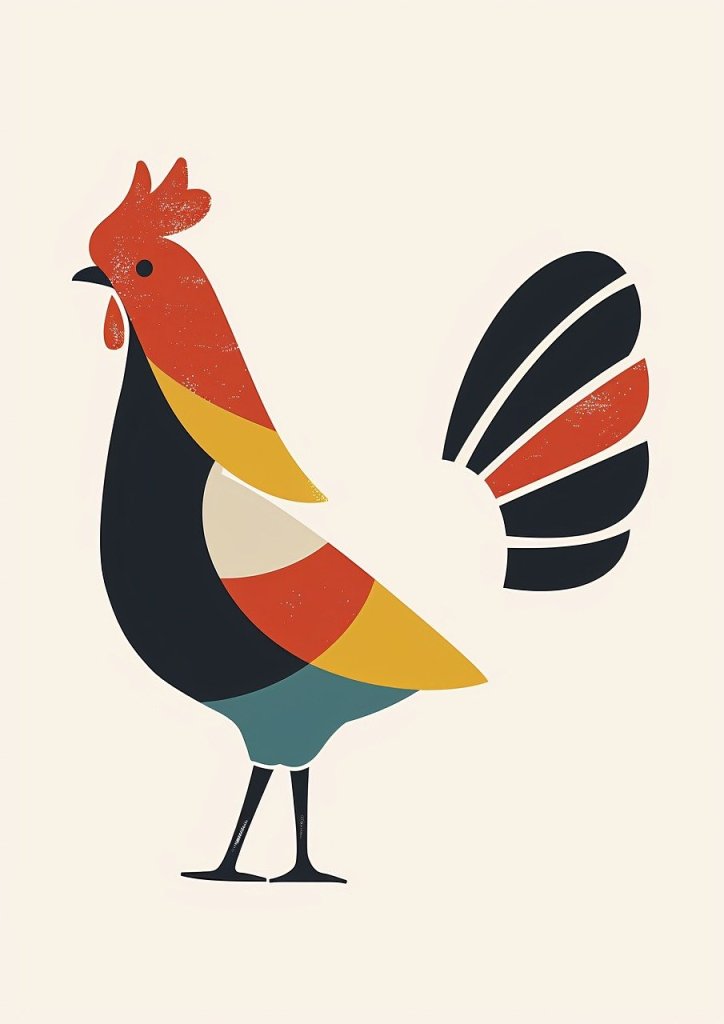
Simple colorblock illustration of a colorful rooster

 The rain had come up suddenly, putting a cap on Annaโ€™s miserable day. If this shop didnโ€™t have any umbrellas, sheโ€™d have to beg for a trash bag to cover her head until she got home. This was what she got for trying to do the right thing and use the buses. If sheโ€™d driven, sheโ€™d be home by now.

She looked around the musty shop, shivering as the air chilled her wet skin. The shelves were full of tumbled bric-a-brac, not particularly appealing from what she could see. There didnโ€™t seem to be a central concept here. There were obvious antiques, like the rack of porcelain dishes with curiously intricate patterns; but there were also jumbled bins of clothing and other things that could barely be called โ€œvintage.โ€ 

Anna didnโ€™t usually come into places like thisโ€”she never knew what to look for. Sheโ€™d noticed this shop before, but had always been too busy or too tired to come in. Of course, she might get fired tomorrow. Then sheโ€™d have lots of time. 

A man sat behind the counter. He was sixty or seventy, bearded, with owlish glasses that matched his expression as he looked at her. “Young lady,” he said, “you appear to have had a terrible day. Is there anything I can help you with?โ€

Anna opened her mouth to ask about umbrellas. What came out instead was, โ€Do you have any cures for total uselessness?โ€

He gave her a measuring look. โ€œOh, Iโ€™m sure youโ€™re useful to somebody. What seems to be troubling you?โ€ 

Anna sighed. โ€œBombed a presentation. I forgot everything I was supposed to sayโ€”all my facts, all my talking points. I sounded like a sixth grader giving a report on a book I didnโ€™t read. My boss was so embarrassedโ€”Iโ€™m surprised he didnโ€™t fire me on the spot.โ€ 

The man nodded. โ€œSounds like an unpleasant experience, but it doesnโ€™t have to be world-ending. It sounds like what you really need is a little more erudition.โ€

โ€œSounds great,โ€ Anna said dryly. โ€œGot any for sale?โ€ 

The shopkeeper looked thoughtful. โ€œYou know, a little confidence boost can go a long way toward improving your speaking skills. Even a nice, flashy accessory might give you the push you need to get over that stage fright.โ€ He took something from a drawer behind the counter. โ€œPerhaps something like this.โ€ He passed Anna a little gold brooch shaped like a rooster, inlaid with colored stones. 

Outside, the rain had stopped. In the silence, Anna studied the brooch. It was nothing specialโ€”her grandmother had plenty like itโ€”but something about the deeply-colored stones made it hard to look away. 

โ€œDid you know that the rooster was sacred to Hermes?โ€ the shopkeeper said. โ€œMessengers, you knowโ€”the rooster is the herald of the morning.โ€ He gestured to the brooch. โ€œWhy donโ€™t you try it on?โ€ 

Feeling oddly transgressive, Anna pinned the brooch to her blouse. It had a comfortable weight, but not enough to pull the fabric down. The shopkeeper picked up a round bronze hand mirror and turned it to face her. 

The brooch was definitely eye-catching, a pop of color on her plain white blouse. It wasnโ€™t the kind of thing she usually woreโ€”but it seemed like the kind of thing she could wear if she were a little more confident in herself.

โ€œHow much is it?โ€ she said. 

She could never remember the price afterwards, but always knew it had been a bargain.


She wore the brooch the next day, tucked against the collar of her favorite black blouse. It was much brighter than any of her usual jewelry. Stepping out into the bright sunlight, she felt self-conscious, but no one seemed to think the brooch looked strange. In fact, she caught a few admiring smiles on her way to work. 

She hadnโ€™t seen anyone since her disastrous presentation yesterday, and wasnโ€™t sure what the fallout was going to be. Would everyone just quietly ignore what had happened, and simply never assign her any presentations again? Or would she be asked to pack her things as soon as she got inside? Ordinarily Anna would be having a panic attack over this, but today she felt strangely calm. If she got fired, she got fired. At least it would give her a chance to try other things. And if she didnโ€™t get fired, then sheโ€™d have solid ground to improve from. Either way, it wouldnโ€™t be the end of the world. 

Mr. Bertram, the R&D Director sheโ€™d failed to impress yesterday, was on the elevator, was on the elevator when she got in. He smiled tightly when he saw her. Anna suddenly realized that it must have been awkward for him, too, to have to watch someone blow it so spectacularly. She greeted him as calmly as she could, and tried not to read too much into his vague mumble of acknowledgement. 

Words came to her mind as the elevator began to rise, and she said them without thinking. โ€Mr. Bertram, Iโ€™m actually really glad to see you. I was hoping I could talk to you for just a second.โ€

Mr. Bertram gestured curiously for her to continue. โ€œOf course, Ms. Young. What did you want to talk about?โ€

โ€œI just wanted to apologize for getting a little scrambled yesterday,โ€ Anna said, โ€œIt was my first time doing such a big presentationโ€”I think I got a little stage fright.โ€ 

Mr. Bertram laughed, appearing more relaxed. โ€œThatโ€™s all right. It happens to everyone. Would you like to try again?โ€ he added kindly. 

Anna couldnโ€™t have asked for a better opening. โ€I just wanted to give you some of the numbers I missed yesterday.โ€ She stepped aside for him as the elevator opened on his floor, and then followed him out. She worked two floors up, and this was going to make her late, but it seemed like it would be worth it. โ€œItโ€™s actually a really exciting project. It turns out that this newest product line has a much larger cross-market appeal than weโ€™d thought, and the projected growth is phenomenalโ€ฆโ€

Fifteen minutes later, they were drinking coffee outside Mr. Bertramโ€™s office, and Anna was still talking. Sheโ€™d gone through all her missed beats from yesterday, adding details no one had even thought of adding to the original presentation, and Mr. Bertram was still listening with avid attention. 

โ€œSo after the main line is rolled out, when everyoneโ€™s got their ducks in a row and is used to working together, what we were thinking of doing next isโ€”โ€

โ€œAnna?โ€ Her boss, Mr. Lewis, had approached without her noticing. โ€œSomeone told me they saw you down here. Hey, Bob.โ€ 

โ€œHey, Henry!โ€ Mr. Bertram said. โ€œI was just having a great conversation with your assistant here. Sheโ€™s really got her stuff together! I think sheโ€™s answered just about every question I had yesterday, and a lot I wouldnโ€™t have thought of asking. Everything sounds greatโ€”Iโ€™m really looking forward to this launch.โ€ He offered Anna his hand. She shook it, feeling dazed. โ€œSo glad we had a chance to talk, Ms. Young. Youโ€™ll have to present for us again sometimes! I think now youโ€™ve got this first one out of the way, you wonโ€™t have any more trouble.โ€ 

โ€œThank you very much, sir,โ€ said Anna. โ€œI hope so.โ€

โ€œWell, all right.โ€ Mr. Lewis looked between them with an odd mix of confusion and relief. โ€œIโ€™m glad to hear it. See, I told you, Bob, Anna was just having a rough day yesterdayโ€”really knows her stuff, actually. Did you, ah, have any more questions?โ€ 

โ€œNope.โ€ Mr. Bertram opened his office door. โ€œIf I do, you can just send Ms. Young down again with an explanation. We might have to have her do some training videos, tooโ€”sheโ€™s got a great way of explaining things.โ€ 

โ€œThank you, Mr. Bertram,โ€ said Anna again, avoiding her bossโ€™s bewildered stare. โ€œIt was really great talking to you again.โ€ To her surprise, she actually meant it.


The presentations got bigger. Other departments began asking Anna to present for them, too. She narrated training videos, gave quarterly reports, and emceed at company functions. Anna didnโ€™t get it. She was speaking more or less as she usually didโ€”just with a lot less hesitation. But even on subjects she barely knew, the message got across. For the first time in Annaโ€™s life, people were saying that she had a way with words.  

โ€œYou are really blossoming, Anna,โ€ said one of the department heads after a quarterly meeting. โ€œI remember you used to be so shyโ€”itโ€™s good to see you coming out of your shell. Youโ€™ve exceeded everyoneโ€™s expectations.โ€ 

โ€œThanks,โ€ said Anna numbly. She was standing by a window, and the winking gold reflection of her rooster brooch flashed in the corner of her vision. โ€œJust, you know, been practicing a lot.โ€

โ€œWell, whatever it is, keep it up.โ€ 

โ€œItโ€™s not that youโ€™re an amazing speaker, exactly,โ€ said her friend one night, as they celebrated Annaโ€™s latest bewildering success. โ€œI mean, itโ€™s not that youโ€™re a bad speaker, Annieโ€”youโ€™re fineโ€”but itโ€™s not like youโ€™re Winston Churchill or anything. Itโ€™s justโ€ฆ I donโ€™t know, for some reason people really seem to want to listen to you.โ€

Anna laughed nervously, fingering her brooch. โ€œWho knows?โ€ she said. 


Within a year, Anna had her own office. Sheโ€™d gotten a generous raise, everyone treated her nicely, and her projects were getting more and more interesting. The more she came out of her shell, the more she saw that speaking was an art formโ€”an interconnected dance of communication, to be practiced as often and as creatively as possible. It was bringing back memories of how she used to be before she became afraid of herselfโ€”how, as a child, sheโ€™d delivered speeches to audiences of stuffed animals, and given circus performances to her family in the living room. 

She took classes now, sometimes, trying to augment her skills in case whatever odd boost the brooch was giving her wore off. She was the star of every class she took, and was invited to join several improv teams, but still couldnโ€™t quite seem to trust it all. 

How had she gotten here? Could no one see that she was an impostor? At Maia Corporation, only prodigies advanced this fast. Most people languished in the cubicles for a few years before moving on to other, better things. But no one seemed to find Annaโ€™s advancementโ€”or her new officeโ€”unusual. When she fished for comments, people just said she needed space for all the clients who were being shepherded in to talk to her. It was a nice office, anyway. 

When she was walking back from lunch one day, Anna met a stranger.

Sheโ€™d gone to her favorite cafeโ€”now that she was making more, she could afford to eat out more oftenโ€”and was cutting through the park on her way back to the office, with a bag of bagels for later, when she stopped short. 

A man was sitting on top of a picnic table, playing an odd, sweet melody on an ocarina shaped like a turtle. He looked around thirty, handsome and athletic, with dark skin, black curls, and a full black beard. He wore a tight orange polo shirt and a rather tacky gold chain.

Seeing her, he lowered his ocarina. โ€œHello!โ€ He had a slight accent Anna couldnโ€™t place. โ€œOut for a walk?โ€

Anna held up her bag. โ€œJust lunch. That was a lovely tune you were playing.โ€ 

โ€œWhy, thank you!โ€ The man looked her up and down like a bird examining its reflection. His smile brightened when he saw her rooster brooch. โ€œWhat a nice brooch youโ€™re wearing,โ€ he said. โ€œIโ€™m very fond of roosters.โ€ 

โ€œThank you,โ€ said Anna. โ€œIt seems to give me good luck.โ€

โ€œGlad to hear it. Luck with what, if you donโ€™t mind my asking?โ€ 

Anna found herself telling him everything: the presentation, the shop, what came after. It was as if she couldnโ€™t stop talking: the man seemed to be a conduit for communication. He listened avidly, occasionally nodding. The rooster brooch on Annaโ€™s blouse winked in the sunlight, as if nodding along. 

โ€œGood luck charms can have surprising power,โ€ the man said, when Anna finally stopped talking. โ€œIโ€™m glad that this one has helped you.โ€

“Thanks,” said Anna. “It really has. Itโ€™s just that I’m not really sure where to go from here, you know? I donโ€™t really know what I’m doing.” 

“Where would you want to go?โ€ the man said. โ€œI suspect that you know more than you thinkโ€” you probably have many options.” 

A ridiculous dream popped into Annaโ€™s mind. She tried to suppress it, but the conversation was so strange anyway that she found herself telling the truth. “This will sound a bit stupid,โ€ she said, โ€œbut Iโ€™ve always sort of dreamed about being on TV. Not as an actor, but as an announcer or a talk show host or something like that. It just seemed like a cool job. I never could have done it before, but… I kind of feel like Iโ€™d be able to do it now.”

“Why not?” the stranger said thoughtfully. “Though it’s certainly different from your current job. How did you end up in this business, when your dreams were so different?”

Anna snorted. “I didn’t plan it. Who dreams of being a corporate drone? I just sort of fell into it. I guess that’s how most careers work.” She sighed. “Isn’t that sad? I bet not one percent of all the children in the world grow up to be what they want to be. How would they feel if they knew that?” 

An odd light entered her listener’s eyes. “It is a terrible shame,” he said. โ€œWith all the possibilities of this world, it is tragic that mortals should restrict themselves to such a small collection of futures. We really should do something about that.” 

Anna laughed. “What, change the world?”

“Why not?” The man began pacing, tossing his ocarina between his hands. “All it takes to change the world is one strong voiceโ€”and you have that, now.” 

โ€œI guess I do,โ€ Anna said. โ€œWhat would I do with it?โ€

โ€œJust look for opportunities. When the time is right, you will know what you can do.โ€ 

She felt oddly inspired. โ€œThanks,โ€ she said. โ€œIf I see a chance to change the world, Iโ€™ll jump for it.โ€

โ€œThatโ€™s the spirit!โ€ the man said. โ€œLive your life while you can; thatโ€™s my motto.โ€ He glanced at her lunch bag and smiled. โ€œI suppose youโ€™d better get going. Something in that bag smells wonderful.โ€

โ€œOh!โ€ Anna had completely forgotten about the bag. โ€œTheyโ€™re just bagels. Would you like one?โ€ she added impulsively. 

His eyes crinkled, so that he looked quite a bit older for a moment. Then his expression smoothed and left him youthful again. โ€œIโ€™d love one,โ€ he said. โ€œWhat kind are they?โ€

โ€œIโ€™ve got blueberry and honey wheat.โ€ 

โ€œHoney wheat, please!โ€ 

The man sounded so genuinely eager that Anna was glad to have offered. She wrapped a bagel in a napkin and handed it to him with a flourish.

He took it with a bow. โ€œAnd now, I am afraid that I must go. It has been a true pleasure. Perhaps our paths will cross again.โ€ With a wink at Anna, the stranger pocketed his ocarina and strode away. She watched him until he disappeared, wondering exactly what had just happened.

The next day, a local talk show invited Anna on as an expert speaker for a segment on small businesses. The invitation was the first of many, and soon she was well-known on the local networks. She was soon offered a regular spot on one of the networks, and then a full-time job. 

Her program was called โ€˜Annaโ€™s Hour.โ€™ It was actually only fifteen minutes at first, but the segments got longer as her audience grew. Sometimes she went around to local businesses, interviewing their owners and doing brief features on their business models. She often thought of doing one on the curio shop where sheโ€™d bought the rooster broochโ€”she felt she owed the shopkeeper something, and at least wanted to thank himโ€”but sheโ€™d never been able to find it again, and couldnโ€™t for the life of her remember the name. 

The features grew. Her focus gradually shifted away from business (which had never interested her much anyway) to human interest topics. Her ratings rose steadily, and soon she began receiving invitations to move to larger networks. One offer was too good to refuse, and Annaโ€™s Hour went national. 


Being a national media figure was not at all like running a fifteen-minute featurette on Channel 3. This was a sleeker, glitzier, sexier worldโ€”and the money, and the pressure, were correspondingly high.

People recognized Anna in public now. She wore designer clothes and had Opinions about shoes. Sometimes she was asked for sound bites about major news stories. Most importantly, she lived in New York City. Its weather, culture, and population density were staggeringly different from the city where sheโ€™d grown up. Her parents, though proud of Annaโ€™s bewildering success, said they missed her. She definitely missed them. 

Annaโ€™s Hour was a full-fledged talk show now. Anna wasnโ€™t exactly Ellen DeGeneres, but her fans were weirdly loyal. They stood outside the studio waving signs, and chanted her name as she came onstage: โ€œAn-na! An-na! An-na! An-na!โ€ It was both exhilarating and terrifying: she didnโ€™t want to disappoint them, and definitely didnโ€™t want to steer them wrong.

She always wore the rooster brooch. She was terrified to take it off. Anna didnโ€™t believe in magic, but the timing and circumstances of her success could not be ignored. What if she went onstage without the brooch and everyone suddenly realized that she had no real business being there? Crashing and burning would be a thousand times worse on this national stage than it would have been if sheโ€™d stayed back home. 

Her colleagues were fine, but none were exactly friends. The jealous, catty watchfulness sheโ€™d noticed on the local circuits was much stronger here. As stunned as Anna was by her own success, these anchorsโ€”with their degrees in broadcast journalism and mass communications, their ten and twenty years of media experienceโ€”found it much more bizarre. There were many backhanded compliments about how well Anna was doing despite her total lack of qualifications. She knew that all of them were waiting to see it crash down.

On New Yearโ€™s Eve, the network hosted a black tie banquet for its broadcast staff. Anna attended, feeling a bit like Cinderella at the ball in her bronze silk evening gown. She still wore the rooster brooch, which luckily dressed up pretty well. A few of her colleagues had noticed and commented on it, but most had much better things to do than talk to Anna. At least the food was good.

She was lingering around the edges of the crowd, nervously munching canapรฉs, when she saw someone who looked familiar: a dark-haired man with a neat black beard, wearing a beautiful tux with a golden waistcoat. He seemed to find the crowd amusing. When he saw Anna, he smiled and waved, and she realized at once where she knew him from. 

โ€œHi,โ€ she said, moving towards him, glad to find a friendly face. โ€œYou were at the park, right? A long time ago, in Raleigh?โ€

โ€œI was,โ€ he said. โ€œSo glad you remembered me.โ€ 

โ€œI didnโ€™t catch your name.โ€ Anna held out her hand. โ€œIโ€™m Anna Young. Itโ€™s nice to see you again!โ€

โ€œHermes.โ€ He took her hand and lifted it to his lips. 

She laughed nervously. โ€œLike the Greek god?โ€ she said, retrieving her hand.

โ€œExactly like that.โ€ 

โ€œYour family must be really into mythology.โ€

The manโ€”Hermesโ€”seemed to find this funny. โ€œDeeply involved. My fatherโ€™s name is Zeus.โ€

She couldnโ€™t tell if he was joking or not. 

Hermes saw her brooch, and his smile broadened. โ€œAnd thereโ€™s your little friend. Iโ€™m so glad to see you still wearing him. People these days throw things away so quickly!โ€

โ€œYeah, heโ€™s done a lot for me.โ€ Anna patted the rooster. โ€œI donโ€™t go anywhere without him.โ€ She glanced around. โ€œAndโ€ฆ are you in the broadcast industry?โ€ Hermes wasnโ€™t wearing any kind of name badge. His lapel pin was shaped like a caduceus, so maybe he was some kind of doctor, but she wasnโ€™t sure what a doctor would be doing here.

โ€œOh, I move from job to job,โ€ he said. โ€œI have some contacts here, though, and I do love a good party. Howโ€™s the food?โ€ he added, glancing at Annaโ€™s plate.

โ€œPretty good.โ€ She offered the plate. โ€œCanapรฉ?โ€

With a pleased look, Hermes selected a cocktail sausage wrapped in bacon. โ€œWhat a polite young lady you are. Iโ€™m very glad to have met you.โ€ 

Young lady, Anna thought bemusedly. She wouldnโ€™t have thought Hermes was out of his thirties. He must be older than he looked. โ€œI donโ€™t know if you heard,โ€ she said, โ€œbutโ€ฆ I guess you can tellโ€”I did end up on TV!โ€ 

โ€œI did here,โ€ said Hermes. โ€œCongratulations. Is it all you dreamed it would be?โ€ 

โ€œI guess so.โ€ Following his lead, Anna moved away from the edge of the crowd, into an alcove with chairs and a small decorative fountain. 

โ€œYou guess so?โ€ Hermes sounded amused. โ€œWhatโ€™s missing now?โ€ 

โ€œOh, no, everythingโ€™s wonderful.โ€ She indicated the crowd, the ballroom, her elegant gown. โ€œI mean, can you believe it? How did my life turn out like this?โ€ 

She hesitated. Hermes waited, sympathetic and attentive. Once again, Anna found herself saying more than sheโ€™d meant to say. โ€œJustโ€ฆ I still feel like an impostor. I donโ€™t know how I got here. It seems like the other shoeโ€™s about to drop, and everyoneโ€™s going to find out Iโ€™m a fraud.โ€

โ€œAre you a fraud?โ€ he said curiously. โ€œDid you lie about your qualifications?โ€

โ€œWellโ€ฆ noโ€ฆ everyone here knows I donโ€™t really have any.โ€

โ€œAnd yet they hired you anyway,โ€ said Hermes. โ€œClearly the network, at least, thinks that youโ€™re capable.โ€

โ€œYeahโ€ฆ I guess so. I justโ€ฆโ€ 

โ€œAnd youโ€™re doing good work,โ€ he went on. โ€œIโ€™ve read reviews of your program, testimonials from your fans. They all seem to find your honesty and down-to-earthness very refreshing. Some even say that youโ€™ve given them the courage to transition into new careers. If you arenโ€™t misrepresenting yourself, and what you do is helping people, then what could be the harm?โ€

โ€œNothing. Itโ€™s not the job,โ€ said Anna. โ€œThe job is great. I love it. Itโ€™s justโ€ฆ the peopleโ€ฆโ€ She looked out into the ballroom, where her colleagues and competitors roamed like glittering sharks. โ€œI just always feel like I should be watching my backโ€”like theyโ€™re all going to turn on me if I make a single mistake. Have you ever felt like that?โ€

โ€œA few times,โ€ said Hermes gravely. โ€œMy family can be rather cutthroat. One must always keep at least one one step ahead of them.โ€ 

He studied Anna, and seemed to be evaluating her. Though she didnโ€™t know what he was looking for, Anna found herself hoping not to disappoint him. At last, Hermes nodded with an air of finality. โ€œThen you believe that this network will not be an appropriate long-term home for you?โ€

โ€œItโ€™s not that,โ€ Anna said quickly. โ€œWorking here is a dream come true. Itโ€™s justโ€ฆ do you know the expression โ€˜sword of Damoclesโ€™?โ€ 

โ€Iโ€™m familiar with the story,โ€ Hermes said dryly. โ€œAnd I believe I see what you mean. But what would be the solution, Anna? Would it be easier for the sword to fall?โ€ 

Anna laughed. โ€œI hope it doesnโ€™t.โ€ She offered Hermes the last of her canapรฉs. โ€œIโ€™m just wondering what Iโ€™m going to do if it does.โ€


The sword didnโ€™t fall for a while after that. 

Anna left the party slightly drunk, with Hermesโ€™ number tucked into the pocket of her evening coat. She looked for it later, but couldnโ€™t find it, and sadly concluded she must have left it in the taxi. 

Shortly afterward, her interviews began to take on a different tone.

It began subtly, with Jolena McCall, a popular home decorator, confiding to Anna onstage that she did not like the way modern society was trending. 

โ€œEveryoneโ€™s just feeding into this machine,โ€ McCall mourned. โ€œLike our lives donโ€™t mean anything as long as someoneโ€™s making a profit off of us. Isnโ€™t that depressing?โ€

โ€œUh,โ€ Anna hedged, โ€œshall we talk about that after we finish this centerpiece?โ€ They were halfway through demonstrating how to make a paper flower arrangement from recycled wrapping paper, one of the projects in the new book McCall was supposed to be promoting. 

The decorator gestured with her scissors. Anna ducked. โ€œNo, itโ€™s just,โ€ McCall said, โ€œdo you know what I wanted to be when I was little?โ€

โ€œWhat?โ€ said Anna warily.

โ€œAn astronaut. An astronaut! I wanted to be the first woman on Mars, Annaโ€”it was the dream of my life. How do you go from that to paper flowers?โ€ 

Glancing off-camera, Anna saw Becky, the production manager, making furious cut motions with both hands. She nodded numbly and turned back to Jolena. โ€œThere are always unexpected twists in life,โ€ she said. โ€œYou know, I used to be a junior marketing assistant. Nowโ€”โ€

McCall gently shoved Annaโ€™s shoulder. โ€œYes, but yours was a good twist.โ€ She picked up a paper flower and began shredding it. โ€œEveryoneโ€™s read your interviews, Anna. Youโ€™re living the dream. And Iโ€ฆโ€ 

โ€œYouโ€™re an inspiration,โ€ Anna said firmly. She took McCallโ€™s ruined flower, handed the decorator a scrap of wrapping paper to tear instead, and got back to work on the centerpiece. โ€œYou started your first decorating business at age nineteen. Youโ€™ve been called โ€˜one of the most original and versatile young artists in the field of interior design.โ€™ Your fans adore you. And this bookโ€”โ€

McCall snorted. โ€œI didnโ€™t even write it. I mean, I came up with the projectsโ€”obviouslyโ€”but all the copy was ghost-written.โ€

โ€œAt least youโ€™re open about that!โ€ said Anna desperately. โ€œIโ€™m sure Iโ€™d use a ghost-writer, too, if I had to write a book. Now, about these flowersโ€”โ€ 

โ€œAre they even important?โ€ McCall picked up the flower Anna had just finished and began disassembling it. โ€œArenโ€™t we just comforting ourselves with trifles while the world crumbles around us?โ€

Offstage, Becky appeared to have fallen into despair. Mark, the producer, was signing furiously, but Anna couldnโ€™t understand the signals. The crew looked like they couldnโ€™t decide whether to be amused or horrified.

Anna pressed on. โ€œIโ€™m sure we all feel like that sometimes. Iโ€™ve certainly felt that way.โ€ She put another flower in the bowl. โ€œBut the only thing to do about it isโ€ฆ well, do something, Jolena. Youโ€™ve got a much bigger platform than most people. Why not use it? Use your designs to promote social consciousness or something. Hire underprivileged artistsโ€”use ethically sourced materialsโ€”youโ€™d know better than me how to do it. But do something. Itโ€™s the only way out of the doldrums, I think.โ€

McCall stared at her. Anna stared back, worried both about the dead air and the growing likelihood that her guest was about to walk offstage abandon her with a table full of paper flowers. Mark and Becky watched from the wings in silent, wide-eyed horror. 

Finally, McCall made a little sound like a creaking door. Then she threw her arms around Annaโ€™s shoulders, nearly knocking over the centerpiece. โ€œThank you!โ€ she sobbed. โ€œThat was exactly what I needed to hear. Of course, youโ€™re right, Annaโ€”you canโ€™t go back, you can only go forward. And I have so much forward to go to!โ€ 

Sniffling loudly, she turned back to the audience. โ€œAs Anna said,โ€ she said, โ€œweโ€™ve all got to do what we can, in our own lives, to make the world a better place. And I just wanted to tell you, folks, that I think recycling projects like this centerpiece are so, so importantโ€”getting a little more use out of our Christmas trash before we throw it away.โ€ She brushed her hair back, looking more like herself. โ€œBut there are a lot of other things we can do for the world. We buy so many worthless consumer goods today that we really donโ€™t need, and itโ€™s such a terrible source of waste and pollution…โ€

McCall went on for another five minutes, covering everything from alternate gift ideas to desertification. The audience seemed politely supportive, but was clearly confused. โ€œThank you so much, Jolena,โ€ said Anna finally, wincing as Mark pointed at the clock. โ€œWeโ€™re almost out of time, but I really appreciate you coming to talk to me today. What do you think, folks, are you going to buy the book?โ€ 

The audience cheered weakly. Anna couldnโ€™t blame them; theyโ€™d just been emphatically discouraged from buying anything new for the next year.

She turned to McCall. โ€œAny ideas for your next book?โ€ she said.

โ€œOh, yes.โ€ McCall was holding a paper flowers, staring into it with fire in her eyes. โ€œI have a lot of ideas.โ€

With a nervous laugh, Anna closed the segment. Mark smiled tightly as she passed him on her way offstage. Remembering how many of their sponsors were in the business of producing โ€œworthless consumer goods,โ€ Anna hoped she wouldnโ€™t get in too much trouble for this. 


As it turned out, Anna did not get in trouble for McCallโ€™s rant, but only because the ratings afterward had been so good. She did receive coolly-worded emails from both Mark and Becky, asking her to keep future interviews a little more on topicโ€”but she also received a great many glowing fan reviews. 

I feel so inspired, one comment said. Iโ€™m always so lazy about activism, but watching this really made me feel like I should get off my butt and do something. Annaโ€™s rightโ€”thereโ€™s always something you can do!

Annaโ€™s always right, said another commenter. Anna for president.

Anna for queen, said a third.

Every major interview now led to an even bigger one. Soap opera stars became prime-time stars, which became pop stars and movie stars. When a former president left the set smiling, thanking Anna for โ€œone of the best interviews Iโ€™ve ever had,โ€ she had to retreat to a dark room and lie down.

She tried to keep her interviews tame, but they always seemed to wander into the brambles. A cooking demonstration turned into a debate between two chefs about the situation in Palestine. A singer promoting her new album suddenly came out as bisexual. Teenage actors from a superhero flick began comparing the movieโ€™s premise to US international policy in frighteningly political terms. 

And the ratings kept climbing. Annaโ€™s Hour was moved to evening, then to late-night. The production team didnโ€™t bother with scripts anymore; Mark just handed Anna some suggested talking points and asked that she please try not to start any wars. Everyone knew it wasnโ€™t Annaโ€™s fault that her interviews went off the railsโ€”her behavior as host was always impeccable. It was the guests who seemed determined to doom themselves, and kept finding fresh and exciting ways to do it.

And then, one day, one of them found a way to help Anna doom herself.


It started as an ordinary interview. Her guest was Homer Bulsara, a renowned psychologist, who was plugging a new book heโ€™d written on the psychology of religious belief. Anna had read and enjoyed most of the book as part of her preparation, and theyโ€™d had a rousing conversation about cults, deathbed rituals, religious art, and everything in between. 

She was just beginning to wrap up when Bulsara suddenly said, โ€œAnna, if it isnโ€™t too forward to ask, I was wondering if you subscribed to any particular spirituality?โ€ 

โ€œMe?โ€ said Anna, surprised. โ€œUm, Iโ€™m not really religious, butโ€ฆโ€ 

She found herself touching her rooster brooch, remembering certain things that had happened to her over the past few yearsโ€”coincidences sheโ€™d ignored at the time, moments of serendipity that had stayed with her although sheโ€™d consciously forgotten them. Her research for this interview had been very thorough, and at last she said, โ€œLately Iโ€™ve been looking into Greek mythology.โ€ 

โ€œThe Greek gods?โ€ Bulsara looked delighted. โ€œDo you mean Hellenistic paganism?โ€ 

โ€œNot exactly,โ€ she said, a little embarrassed. โ€œJust the gods as archetypes. The stories are really fascinating. Theyโ€™re all people like we areโ€”they fight, fall in love, play pranks on each other, have childrenโ€”everything humans do. I guess any polytheistic system is going to be like that, but the Greek pantheon was what caught my attention.โ€

โ€œAny god in particular?โ€ asked her guest.

Anna felt an odd sense of reversal, as if she were suddenly the one being interviewed. โ€œHermes,โ€ she said slowly. โ€œI met a man once who had that name, which got me interested. Iโ€™ve read all his myths. Heโ€™s a remarkable figure. Weโ€™re taught in school that heโ€™s just the messenger god, so people think heโ€™s just very fast. But Hermes was also a tricksterโ€”he invented the lyre, for example, and gave it to Apollo so his brother wouldnโ€™t beat him up for stealing his cattle.โ€ A few audience members laughed. 

With an odd wave of fondness, Anna thought of Hermes the man at the party in his golden waistcoatโ€”and before that, sitting on the picnic table in the park, playing his tortoise-shaped ocarina in the summer sun. โ€œSo heโ€™s not just a messenger,โ€ she went on. โ€œHeโ€™s also associated with thieves, music, trade, travel, athletesโ€”even sex. Any kind of movement and exchange.โ€ She paused for another laugh as the audience associated those words with sex. โ€œHeโ€™s known for helping mortals sometimes, apparently just because he liked them. He helped find lost things. He invented fire. He was even a psychopomp. Heโ€™s a tremendously important godโ€”itโ€™s a shame people only remember him for the winged sandals.โ€

โ€œAs a journalist,โ€ Bulsara pressed, โ€œthe aspect of communication must be especially important for you.โ€

โ€œOh, yes!โ€ Anna said. โ€œCommunication is really the root of all human progress. Itโ€™s the only reason weโ€™re not constantly at war. I mean, it may seem like we are, but for a long time war was just sort of the natural state of human societies. Itโ€™s gotten much better since weโ€™ve connected to each other more. Itโ€™s learning new languages, traveling, and generally understanding each other better that lets us see other people as human. In fact, I think itโ€™s through communicationโ€”through cooperationโ€”that weโ€™re going to be able pull ourselves out of the mire of history and up into the stars.โ€

The audience was rapt. Offstage, Mark was staring at her. Anna came back to herself with a sudden start. โ€œSo, you know,โ€ she said sheepishly, โ€œthe idea of a messenger god just really appeals to me.โ€

โ€œYou seem to be very into this,โ€ said Bulsara, smiling. โ€œPerhaps you could start your own Hermetic cult. Thereโ€™s been a lot of interest in the old religions lately.โ€ 

Offstage, Mark pointed sharply at the clock. Anna realized she was on the verge of straying over her time. โ€œIโ€™m not sure thatโ€™s a great idea,โ€ she said. โ€œI probably shouldnโ€™t be put in charge of any religions.โ€ She grinned as her audience laughed again. โ€œIf someone did want to start a cult though, I think people used to sacrifice pigs and goats to Hermesโ€”so you could probably buy him a plate of barbecue and heโ€™d be happy.โ€

She ended the program with a few more light quips, and left the stage thinking sheโ€™d done fairly well. Mark, however, stopped her with a frown. โ€œTry to leave out the weird religion stuff next time,โ€ he said coldly. โ€œWeโ€™ve got a lot of sponsors in the Bible Belt.โ€

Anna apologized, but didnโ€™t think much more of it. As it turned out, she probably should have.


โ€œI didnโ€™t know it was going to turn out like this,โ€ she said three weeks later, standing meekly in front of three of her bosses. โ€œI really didnโ€™t mean anything by it. I was just rambling.โ€

โ€œWell, your rambling has lost us three sponsors just in the last week,โ€ said the CEO, staring at a printout. โ€œAnna, you should have known better.โ€ 

Anna looked out the window of the CEOโ€™s dim office at the crowd waiting far below. Though the weather was cold, and it was drizzling slightly, it was the largest crowd her tapings had ever drawn. In addition to the usual signsโ€”Anna for President, We โค Anna, and the recently introduced Go Your Own Wayโ€”there were many new posters bearing images of palm trees, tortoises, goatsโ€ฆ and roosters. These signs bore slogans like Honk for Hermes, First Church of Hermes, Hermetic Barbecue Club, and simply Go Greek. Many of their owners wore togas. All were chanting loudly. 

โ€œTheyโ€™re very well organized,โ€ said the head of HR, who looked almost admiring. โ€œAre you sure you werenโ€™t involved in this before, Anna? I donโ€™t really see how a movement like this could grow so fast on its own.โ€ 

Anna shook her head helplessly. โ€œI wasnโ€™t involved in it at all. I mean, I saw a couple of comments online, especially after that show was uploaded, but Iโ€™ve been busy. I havenโ€™t participated in any discussions or anything. Itโ€™s justโ€ฆ one of those strange things.โ€ 

The Head of Creative Affairs looked out the window, sighing. โ€œItโ€™s just too weird, Anna. You know we respect you tremendously as a host, but this is not the image weโ€™re trying to project. Weโ€™ve got to stay family-friendlyโ€”there are statues with penises out there!โ€

โ€œHerms,โ€ Anna said, nodding glumly. โ€œTurns out Hermes was a fertility god, too.โ€

The HCA shook her head. โ€œThis is not something we can put back in the bag, Anna. Iโ€™m sorry.โ€

Annaโ€™s stomach dropped. Sheโ€™d always known this would eventually happen, but as the weeks and months and years had passed, sheโ€™d begun to wonder if she might actually get to keep the success sheโ€™d lucked into. โ€œAre you sayingโ€ฆโ€

The CEO looked sympathetic, but firm. โ€œWeโ€™d work it out if we could, but even before all this weโ€™d had a lot of complaints about you from some of our more conservative sponsors. And now youโ€™ve started a pagan religious movement? I mean, if youโ€™d just gotten into Scientology or something, we could have played it off, but this is beyond the pale. I know youโ€™re not fully responsible for how this has taken off, but we just canโ€™t have you associated with the network anymore. You can finish out the season, Anna, and thatโ€™s going to have to be it.โ€ 

Anna nodded slowly, touching her rooster brooch. โ€œThank you for letting me know,โ€ she said. โ€œItโ€™s been an honor working here. Iโ€™ll try and end things on a high note.โ€ With a nod to all her bosses, she left the room.

She was walking down the stairs, cutting home a little early, when her phone began to ring. Answering, Anna was startled to see the name Hermes on the incoming call display. Had she put his number into her phone after all? 

โ€œHello?โ€ she said glumly. 

โ€œAnna!โ€ Hermesโ€™ voice was just as she remembered, rich and jovial, with that slight accent she couldnโ€™t identify. โ€œHow are things going?โ€ 

Anna laughed. โ€œI guess they could be worse.โ€ 

โ€œThings can always get worse,โ€ he agreed cheerfully. โ€I just wanted to check in. Iโ€™ve seen your program. You seem to be doing very well!โ€

โ€œUhโ€ฆ Thanks. I guess so,โ€ Anna said. 

โ€œIโ€™m in the area, as it happens,โ€ said Hermes, clearly unfazed by Annaโ€™s gloominess. โ€œWhy donโ€™t you have dinner with me? Thereโ€™s a lovely-looking new barbecue place over in Midtown Iโ€™d like to try.โ€

Though she was in no mood to be social right now, Anna agreed anyway, and wrote down the name. Maybe a little company would cheer her up.


The restaurant was called the Palm and Myrtle. It was a fusion joint, โ€œinspired by global grill cuisines,โ€ with lots of fried kimchi and grilled fruits and honey glazes on the menu. It was within Annaโ€™s current price range, though she realized sheโ€™d have to start economizing soon if she couldnโ€™t find a new job. Judging by the aromas in the air as she walked in, it would be worth the price anyway. 

She passed through the shady interiorโ€”blue and white tiles on white plaster, false friezes and artificial palmsโ€”and found Hermes waiting at a booth in the center of the restaurant. The moment she saw him, she knew

โ€Youโ€™re him, arenโ€™t you,โ€ she said wearily, sitting down. โ€œHermes. The actual god. Youโ€™reโ€ฆ somehowโ€ฆ actually him.โ€ 

โ€œVery good.โ€ The god looked pleased. โ€œI was afraid Iโ€™d have to convince you. Most mortals these days arenโ€™t so easily persuaded. You must have a healthy imagination.โ€ 

โ€œIโ€ฆ thanks.โ€ Annaโ€™s mind was spinning in circles, rejecting what sheโ€™d just learned. Was she dreaming? But then she must have been dreaming for the last few years.

Hermes waited patiently for her to recover. There was a sense of intense solidityโ€”of realnessโ€”that Anna hadnโ€™t noticed before. Or maybe she had, and that was what had drawn her to him. Somehow he seemed more clearly defined than his surroundings, as if he were a temporary visitor in a landscape that would soon turn to dust. For a god, that must be how it felt to visit the mortal world. Why was he wasting time with Anna, when nothing she did could have any real meaning for him? 

โ€œI guess you heard,โ€ she said. โ€œIโ€™m losing my job.โ€

Hermes nodded. โ€œFor your sake, I am sorry. But it was time, Anna.โ€

She laughed shakily. โ€œTime for what?โ€ 

โ€œI think you know.โ€ 

โ€œTime for me to lead the First Church of Hermes?โ€ Anna shook her head. โ€œI donโ€™t think Iโ€™m quite ready for that.โ€

He smiled indulgently, like an adult listening to a small child. โ€Youโ€™ve done admirably well so far. Why shouldnโ€™t you continue to do so?โ€

โ€œIโ€™ve managed so far because I have this.โ€ Anna tapped the rooster brooch, which felt slightly warm to her touch. โ€œThanks, by the wayโ€”I guess itโ€™s yours.โ€

Hermes beamed. โ€œYouโ€™re welcome.โ€ 

โ€œBut what happens if I take it off? Wonโ€™t I lose this wholeโ€ฆ thing?โ€

He cocked his head. โ€œWhy donโ€™t you try it? Take it off. Iโ€™ll hold it for you.โ€ 

Hesitantly, Anna removed the brooch. She felt a momentโ€™s panic before she gave it to Hermes. What if he didnโ€™t give it back? What if this was how he reclaimed it? But of course, if heโ€™d wanted to take the brooch away, he wouldnโ€™t have needed her help. 

Finally, Anna dropped the brooch into his palm. 

Instantly, she felt a deep sense of loss. She was about to ask for her treasure back, but just then the waiter came to their orders. 

โ€œI believe Iโ€™ll have the pulled pork,โ€ said Hermes, โ€œand, ah, the honey ale, I think. And you, Anna?โ€

โ€œAh, Iโ€™ll have the same,โ€ Anna said weakly. 

With a gracious nod, the waiter took the menus and left, obviously recognizing Anna but not saying a word about it. She made a mental note to come back here if she could. 

โ€œNow,โ€ said Hermes, โ€œwithout the brooch, why donโ€™t you try to articulate exactly how youโ€™re feeling right now?โ€ 

Anna considered. โ€œWell, Iโ€™m a little disappointed that the show will be ending. Honestly, though, I think itโ€™s as much because Iโ€™m afraid of being judged for failure as it is for the sake of the show itself, though of course Iโ€™ll miss it. Andโ€ฆ at the same time, I feel liberated, in a way, because Iโ€™m going to have some free time again, and wonโ€™t have to schedule my whole life around producing the show. And I can say whatever I want after I leave. The network put a lot of restrictions on how I could express myself. Now Iโ€™ll truly be a private citizen, so I can speak much more freely.โ€ She sighed. โ€œOf course Iโ€™m a bit worried, too, because Iโ€™m going to have to start job-hunting soon. Itโ€™s really frightening to be without a job, so on one level I feel like I should be begging the network for a second chance. But I donโ€™t think I will, because that would be an enormous blow to my pride. I have this strange feeling that Iโ€™m doing the right thing here, that Iโ€™m on the right track.โ€ She looked at Hermes. โ€œDoes that all make sense?โ€ 

โ€œI thought it was very well conveyed,โ€ said the god. โ€œYou seem to have no trouble expressing yourself. Now, hereโ€™s your little friend back.โ€ He handed her the rooster brooch, startling Anna somewhatโ€”sheโ€™d forgotten she wasnโ€™t wearing it. 

โ€œSo the brooch was just a placebo?โ€ she said, pinning it back onto her blouse. The thought was strangely disappointing.

โ€œOh, no,โ€ said Hermes, โ€œthe effects were completely real. You can consider the brooch a set of training wheels, if youโ€™d like. It kept you from failing while you were learning new oratory skills, as well as helping you to learn the skills themselves. Wearing it, and exercising your new talents, has made some new connections in your brainโ€”improved your processing speed, so to speak, so that youโ€™re never at a loss for wordsโ€”and changed your brainโ€™s chemical balance to reduce fear and encourage risk-taking. But youโ€™re not going to revert if you donโ€™t wear it. The changes are permanent. My gift to you.โ€ He smiled. โ€œYouโ€™re different now, Anna. Youโ€™re not who you were before.โ€

Anna felt a chill. Her family, too, had often said lately that Anna had changed so much they barely recognized her. โ€What if I want to be who I was before?โ€ she said.

โ€œDo you?โ€ said Hermes. 

She paused. โ€œNo,โ€ she said after a moment. โ€œI love who I am now. I never want to go back to being scared all the timeโ€”it was so miserable and boring! I just wanted to know if it was possibleโ€”if I could go back if I wanted to.โ€

Hermes shrugged. โ€œI suppose so, if thatโ€™s really what you want.โ€ He leaned back as the waiter arrived with their food. โ€œIf you stop using your gifts,โ€ he said, when the waiter was gone, โ€œif you stay away from people, close yourself off entirelyโ€”I suppose that youโ€™d revert more or less to the way you were before. But I donโ€™t believe thatโ€™s what you want.โ€

โ€œNo,โ€ said Anna quickly, picking up her sandwich. โ€œI was never happy before. I was really glad to be able to change. Justโ€ฆ itโ€™s scary, you know? Looking in the mirror and seeing a different person. Hearing a new voice when I talk. I know itโ€™s meโ€”the thoughts Iโ€™m expressing are mineโ€”but at the same time I feel sometimes like thereโ€™s someone else in my head, telling me what to say.โ€ She glanced at Hermes, who was devouring his sandwich with obvious satisfaction. โ€œWhy do you do it?โ€ she said. โ€œWhy did you take the time to help me?โ€ 

โ€Oh, I like to help people out,โ€ said Hermes. โ€œI always have. You mortals are much more interesting than the people I hang around with. Your little dramas burn fast, but hotโ€”I could eat them up like popcorn. And, well, youโ€™re at a disadvantage, arenโ€™t you, against the gods? So I like to help sometimesโ€”especially when the mortal is deserving.โ€ He gave her one of his bright golden smiles. โ€œAs you are, Anna.โ€

โ€œThank you,โ€ Anna said, but her heart wasnโ€™t in it. Sheโ€™d read enough to know that altruism really wasnโ€™t in Hermesโ€™ character. He was a trickster: he never did anything without a reason, or at least without knowing it would benefit him in some way. So how would this benefit him?

And then she had it. โ€œThe movement,โ€ she said, shaking her head. โ€œThe fans. Thatโ€™s what you get out of it, isnโ€™t it? Worshipers. A cult.โ€ 

Hermes winced. โ€œPlease donโ€™t call them that. It has such negative connotations these days.โ€

โ€œAnd what am I, your priestess or something?โ€

โ€œNot if you donโ€™t wish to be,โ€ said Hermes. โ€œOf course I would never press a mortal into involuntary servitude. But as far as Iโ€™m concernedโ€ฆ yes, if youโ€™re happy with the job, Iโ€™m certainly happy to have you in it. Itโ€™s really been a real pleasure to see you come into your own. And thereโ€™s a good deal more work you could be doing, if you wanted to.โ€ 

Anna laughed a little hysterically. โ€œWork? What kind of work? Did you see those people outside today? What am I supposed to do with them? I feel like theyโ€™re my responsibility.โ€ 

He shrugged. โ€œDo as any cult leader doesโ€”use their money and labor to accomplish something interesting.โ€

โ€œWhat? I canโ€™t do that!โ€ Anna said, shocked.

Hermes looked blank. โ€œWhyever not?โ€

โ€œBecause itโ€™s unethical, thatโ€™s why! I donโ€™t want to take peopleโ€™s money!โ€ 

For a moment, the god looked surprised. Then he sighed. โ€œOh,โ€ he said glumly. โ€œYouโ€™re one of those.โ€

โ€œOne of what?โ€ said Anna, a little affronted. 

โ€œMoralists. Restrictivists. Trying to live your lives according to arbitrary rules. Iโ€™ll tell you, my dear, the rules do not apply in many situations. I promise youโ€™ll have much more fun if you can manage to forget them.โ€ 

โ€œBut I donโ€™t want to forget them,โ€ said Anna. โ€œI want to do the right thing. And I want to encourage other people to do the right thing, too. Otherwise, whatโ€™s the point?โ€ 

Hermes shrugged. โ€œSo do it. You have the pulpit. Use it. Your followers are eating out of your hand now. Encourage them to invest in, oh, I donโ€™t know, green energy. Tell them to vote for less offensive political candidates. Have them begin to accumulate land and capital for when the revolution inevitably comesโ€ฆโ€ 

Anna snorted. โ€œIโ€™m not sure thatโ€™s a great idea,โ€ she said. โ€There are already people calling for my head, you know.โ€ 

The god nodded. โ€œTheyโ€™ll do that. But itโ€™s not necessarily a bad thing. Everything I have, you know, I got by making people angry and finding creative ways to mollify them. I suspect youโ€™ll have to do the same.โ€ 

Anna nodded thoughtfully, taking another bite of her sandwich. It was actually very goodโ€”the meat spicy and tender, the sauce a combination of flavors she didnโ€™t recognize. Swallowing, she said, โ€œYou know, itโ€™s funny. Usually when you read about gods helping mortals, itโ€™s stories like Prometheus…โ€ 

โ€œPrometheus was a Titan,โ€ said Hermes dismissively. โ€œAnd irrationally fond of humans. You donโ€™t need another gift like fireโ€”youโ€™ve all done more than enough damage with that. What Iโ€™ve given you is more in keeping with your speciesโ€™ natural capacitiesโ€”skills you might have developed yourself, had you grown up differently.โ€ 

He looked out across the restaurant, his gaze flicking across the waiters in their clean white shirts, the rainstorm brewing outside. โ€œThis world keeps trying to stitch itself together into one big Gordian knot of sickness and corruption and misery. If you can find a way to topple the monolith, Annaโ€”to make people seek their own way, instead of living their lives by roteโ€”you might bring a lot more happiness into the world.โ€ 

โ€œSo Iโ€™m supposed to be a force of disunity?โ€ Anna said dryly. โ€œI wasnโ€™t expecting that.โ€

Hermes laughed. โ€œYes, itโ€™s a bit of a swindle, Iโ€™ll admit. But swindles are my strong suitโ€”I can guide a good swindle better than any crusade.โ€ 

โ€œWhat if I die?โ€ Anna said. โ€œThe networkโ€™s already gotten a couple of bomb threats over all this. Thereโ€™s a very good chance that Iโ€™m going to end up dead if I keep working with this movement.โ€

โ€œYou may be overestimating the danger,โ€ said Hermes. โ€œIโ€™ll still keep an eye on you now that the catโ€™s out of the bagโ€”especially since you are my priestess.โ€ He smiled almost fondly. โ€œBut if you do die, I can offer you a position in the afterlife. I certainly wouldnโ€™t drop such a promising agent just for being postmortal.โ€ He shrugged. โ€œBut of course itโ€™s entirely your choice. If you find this too frightening, Iโ€™ll be on my way, and you may continue your life without any more of my interferenceโ€”and, of course, you may keep the brooch.โ€ 

Anna stared into the amber bubbles rising through her beer. Part of her said that she should walk away nowโ€”go back to Raleigh, see her family, use what money sheโ€™d saved to start a small business or something. 

But the thought of leaving this life behind was incredibly painful. Sheโ€™d already begun to settle into the fabric of the city and the city was seeping into her bones as well. She would always miss it if she went home again. And being in front of a crowdโ€”feeling them all hang on her every word, knowing what sheโ€™d said would stay with them long after sheโ€™d forgotten about themโ€”she couldnโ€™t give that up. This was the most interesting life she could have asked for. She couldnโ€™t go back to anything else. 

โ€œAll right,โ€ she said, beginning to smile. โ€œIโ€™ll be your priestess. What did you have in mind?โ€

โ€œThatโ€™s the spirit!โ€ The god leaned forward, eyes bright as comets. โ€œWell, then. Letโ€™s get started.”


The final taping of Annaโ€™s Hour drew the largest and most enthusiastic crowd ever. When Anna stood at the front of the stage and informed her audience that she would not be returning the next season, their cries and groans shook the ceiling. โ€œI know,โ€ she said, when their outrage had subsided to rebellious mutters. โ€œIโ€™m sad about it, too. But it doesnโ€™t have to be the end for us. Iโ€™d like to take these last few minutes to talk to you about a new project Iโ€™ve been working on.โ€ 

She signaled to the production manager to press play.

A screen lowered from the ceiling, displaying a YouTube video with Annaโ€™s face in the center. โ€œHello,โ€ said the Anna on the screen. โ€œWelcome to the first episode of Annaโ€™s World. Iโ€™m Anna Young, and I think itโ€™s time we talked about the futureโ€ฆโ€ 


Image by TylilJura

books, fantasy, fiction, old work, science fiction, short stories, Uncategorized, writing

Upcoming Projects: Haunted Houses Collection, Baubles from Bones, and Journeys Anthology

Hello! Sorry to have left you hanging for months and months. I’m not great at blogging regularly, but I guess you know that by now.

Here’s what I’ve been up to lately:

My largest ongoing project (besides my ever-in-progress fantasy series THE VOID AND THE RAVEN) is a collection of ghost stories, tentatively titled HAUNTED HOUSES. This is a long-term project I’m hoping to finish and self-publish in the next five years, or possibly sooner if I’m able. It will include new editions of older stories like “Wake Your Ghost” (which you can read here) and “Spirits in the Dark” (a novelette first published by JMS Books, which unfortunately didn’t get much attention although I was really fond of it). I also hope to include stories like “The Angel,” which you can currently see in Literally Dead: Tales of Holiday Hauntings by Alienhead press, and about fifteen other stories now in various stages of development. I’m currently editing another novelette called “The Woman at the Top of the Stairs,” which is a gothic romance story set in Prague, and hope to start sending it out soon.

On the subject of publications, I have an announcement to make! A very cool new magazine called Baubles from Bones has chosen my story “The Feast of the Changes” for publication in its inaugural issue. “Feast,” inspired by Where the Wild Things Are, is a soft, dreamy fantasy story about a boy traveling the world with his best friend: a large, furry monster. I had a great time writing it, and I’m really happy that it found a home with this venue. You can read the magazine (or purchase a copy) here.

Cover image for Baubles from Bones, issue 1

There’s one more project I wanted to let you know about: some friends and I are putting an anthology together. It’s a collaborative project on the theme of “Journeys,” and it’s been in the works for a few years now. Everyone involved is a writer friend and occasional critique partner (including several from the Durham Writers’ Group), and all of us write speculative fiction of one stripe or another. Since late 2020, we’ve been batting things back and forth on Discord, deciding the anthology’s theme and parameters and editing each other’s contributions. Given that coordinating with other writers is like herding cats under the best of circumstances, and adding the specific complications of having to play chat-tag across disparate time zones, we had some trouble keeping things going, and there’s been a lot of trial and error involved in this process. But we’ve kept going, and we’re almost finished, and we’re pretty excited about it.

We’re hoping to publish the anthology in September. It will probably be released as an ebook first and then in hard copy. I’ll let you know about preorders as soon as they’re available. If you’d like to receive updates, you can join our Facebook group here.

Contributor Allegra Gulino has also created a Facebook page where you can see promotional artwork she’s created for this project.

We’re really looking forward to telling you more about this project as we get closer to publication time. In the meantime, thank you for tuning in, and have a great month!

books, fiction, horror, music, old work, poetry, professional life, short stories, Uncategorized, updates, writing

Slightly Sweetly, Slightly Creepy

I’ve been listening much more to Spotify lately. What’s most fun for me is making playlists, which reminds me of burning mix CDs when I was in college. Here’s one I made of songs that felt longing or wistful, including a lot of old favorites and others that just came up on shuffle.

I’ve been submitting a lot of stories lately, which slowed down progress on my novel but was a lot of fun. For some reason there’s a big market currently for short stories about evil mermaids, so I’ve written three in the last few months. One of them, “In the Nevergo,” was recently published in Dangerous Waters: Deadly Women of the Sea, an entire anthology of evil mermaid tales I was delighted to take part in. The others were a bit different in subject matter, and I hope to tell you more about them later.

I’ve also been dipping my toe back into poetry in the last year or so, with mixed results. I used to write poems quite a lot in high school, but they were very strange and I never shared them with anyone. Lately I wrote sets of poems for two different calls for submissions. None of them were accepted, but I’ll keep practicing.

Here are some very strange ones I’d forgotten I wrote last year. The project was called “The Unquiet Nursery,” with the idea being that each poem would be structurally based on a famous nursery rhyme but have much darker subject matter. About half of them were terrible, but I kind of liked these. I wonder if you can guess which nursery rhymes they’re based on.

1 I am not going to sleep.
The lines have gone too deep.
There’s whispering sin
Upon my skin
And something is starting to weep.

2 My little love
Is up above,
Pretending she is an angel.
But in her wings,
Unholy things
Are burning like a candle.

3 My little dumpling
Really is something,
Sunning herself to sleep.
She cannot be killed
She cannot be held
She only can rattle and weep.

4 Go to school,
Little fool.
See what they do
Before they come for you.
They’ll take your home and they’ll take your lands,
They’ll crush your heart and they’ll cut off your hands.
The strongest house is the one that stands,
So go to school.

5 Something in the atmosphere
Has made me very cold.
The sun is full of cinders
And the stars have all been sold.
I cannot look away from it.
I cannot break the spell
That echoes in the twilight
Like the tolling of a bell.

6 Into the dark!
Into the night!
Sing with the nightingales!
Drink delight!

Out of the dark.
Back from the night.
Gone are the nightingales.
All is quiet.

7 Mary Artless,
Vain and heartless,
How did you sink so low?
The sons you should have cared about
Are running like wolves in the snow.

8 First comes the matter of the monster,
Next comes the matter of the nun,
Then comes the matter of the long walk
Into the valley of the sun,
And last is the matter of the silver star
And how the world was won.

9 Pretty little Mabel,
Sitting at the table,
Softly tells me,
“Life is like a fable.
But I don’t know the lesson
I was meant to learn
When I left my homeland,
Never to return.”

I guess they’re basically doggerel. But so are the originals they’re based on. Anyway, it was fun writing them.

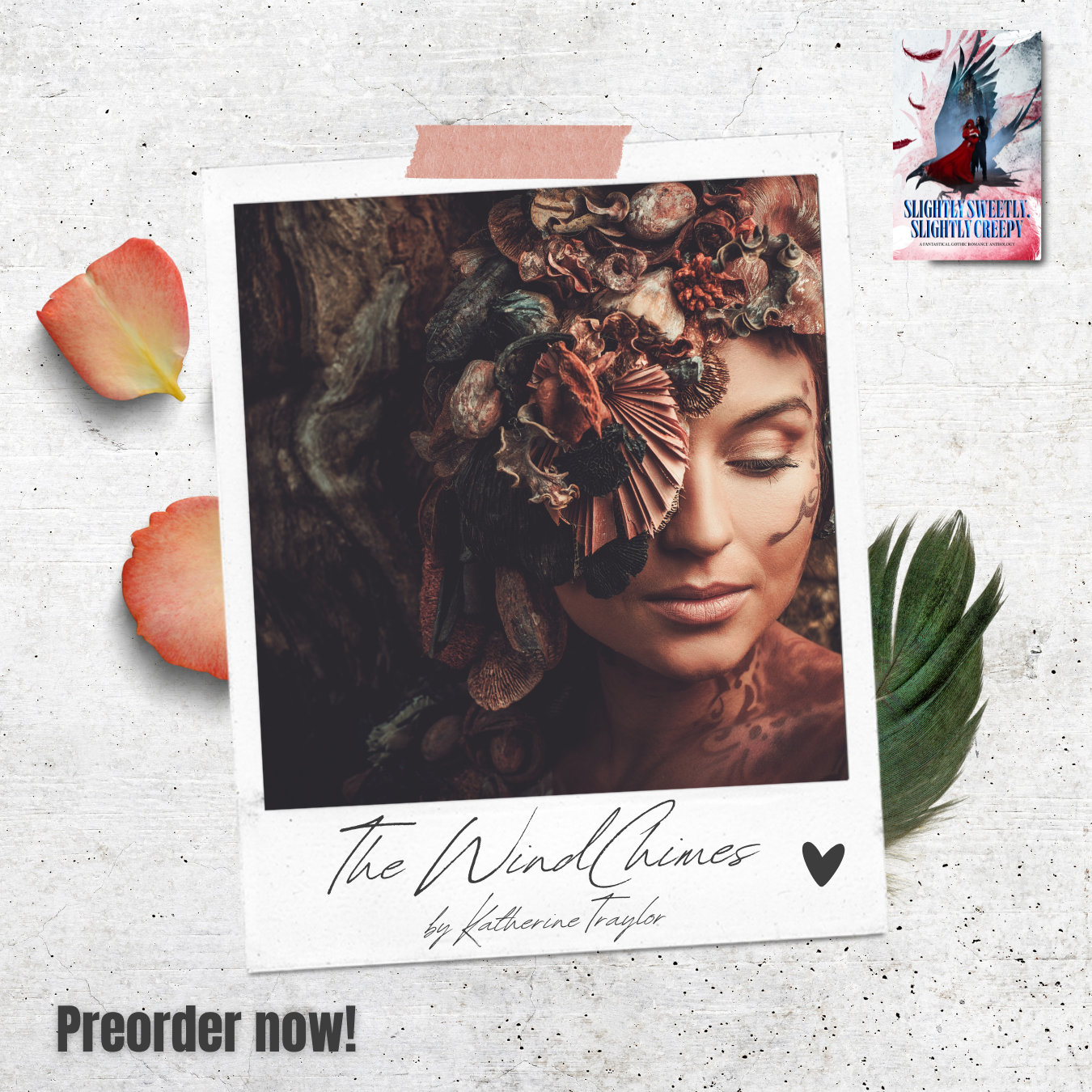
One more thing to tell you about: I have an upcoming publication in a friend’s anthology! My friend Sonya Lano has been working tirelessly on Slightly Sweetly, Slightly Creepy, an anthology of gothic romance, and the book will be out on April 29. My story, “The Wind Chimes,” is probably more “romantic gothic” than “gothic romance,” but I had a lot of fun writing it. The book is available for preorder here, and I’d love it if you checked it out.

Lots of love to all of you. I hope you’re doing well.

Best,
Kate

fantasy, fiction, old work, short stories, slipstream, writing

Happiness

This was another story written for my Seoul writers’ group (this one in February 2019). We used to use a random word app to generate a three-word prompt. The prompt for this one was “countryside, coast, autopsy.” It’s extremely weird and never got much attention, but I’ve always been fond of it.

Following the direction ping on her phone, Teresa turned off the highway onto a rutted lane that ran toward the cliffs. The van bumped and stumbled over gullies drawn by floodwater in last weekโ€™s heavy rain. The fields were deeply green, the sky rain-soaked. Most deaths requiring a medical examinerโ€™s opinion happened on the highways or in the confines of lonely homes–nowhere this scenic.

After a mile, Teresa pulled up beside a pair of empty police cars and parked. Wind curled around her ears as she stepped out of the van, balmy air full of pine and clinging sea salt. Waves soughed below the cliff. There was no other sound but the soft tromping of Teresaโ€™s bootie-clad feet on the muddy turf.      

She murmured a greeting to the cops, and nodded to the coronerโ€™s assistant. Hilbert was leaning against his own van, doing something on his phone. Teresa opened her mouth to greet him–then stopped, gaping, as she saw the body.

One of the cops grinned. โ€œFucked up, huh?โ€

The body was nude, male, and a bit round around the middle. It was also completely hairless, lacking even eyebrows. The face was calm, eyes closed. Every inch of skin was a deep, bright violet.

Teresa tried to process what she was seeing. โ€œIs it… human?โ€ she said.  โ€œIt looks like a mannequin. Or something.โ€

โ€œNope, itโ€™s human.โ€ Hilbert crouched, pinching up a fold of skin on the corpseโ€™s arm, showing its elasticity. โ€œJustโ€ฆ something happened to it. Donโ€™t know what. Out of my expertise.โ€

Teresa looked up from the rock-studded meadow and out over the sea. The horizon was dim, smudged in the distance with storm clouds.  The crashing of surf below the cliff was louder here. โ€œAre there any clothes? Anyโ€ฆ artifacts, or anything?โ€

โ€œNothing. Looks like a body dump. A hiker found him this morning. Not many people come out this way, so who knows how long heโ€™s actually been here. He doesnโ€™t smell, butโ€ฆโ€ Hilbert nudged the body with the tip of his bootie-covered shoe. โ€œHeโ€™sโ€ฆ solid.โ€

Teresa frowned. โ€œDonโ€™t do that.โ€ 

Hilbert withdrew his foot, looking amused. โ€œThink itโ€™s going to bother him?โ€

Teresa leaned down–then coughed, covering her nose with one gloved hand. A haze of perfume hung over the body, so strong it made her eyes water. โ€œHe does smell.โ€ She moved back into clearer air. โ€œLike someone dumped perfume all over him.โ€

Hilbert blinked. โ€œHuh. I didnโ€™t notice. Guess thatโ€™s why they pay you the big bucks. Ready to take him away?โ€ He beckoned to his assistant, who came forward with a collapsed gurney. The three of them lifted the body onto the lowered frame. It was tremendously heavy, and oddly rigid.

โ€œWhereโ€™s Albert?โ€ Hilbert said, grunting with exertion as they ratcheted the cart back up. โ€œCould really use his help.โ€

Teresa sighed. โ€He retired last month. They havenโ€™t okayed a replacement yet.โ€

Hilbert frowned. โ€So youโ€™re working without a diener?โ€

โ€œFor the moment, yeah.โ€ Teresa stepped back, wiping her brow. โ€œSo please try to discourage anyone else from dying in mysterious circumstances till we get one.โ€

Hilbert hesitated. โ€œDo you need help? Iโ€™m not really trained for it, butโ€ฆโ€

โ€œItโ€™s all right,โ€ she said. โ€œI should be able to manage. Iโ€™ll let you know what turns up.โ€

As she wheeled the overloaded gurney back to the autopsy room in her tiny office, Teresa felt the roof closing over her. The tang of disinfectant pervaded the chilly air, and the echo of her footsteps and the gurneyโ€™s squeaky wheels quickly overshadowed the memory of her brief escape. Maybe it was time for a vacation. She thought wistfully of the windy green hills sheโ€™d left behind. 

As Teresa unzipped the bag, a cloud of perfume rose up, making her choke. It was a woody odor, more reminiscent of incense than cologne. Quickly, she put on a mask, remembering the Gloria Ramirez case in the 1990s, where toxic fumes from a body had put several people in the hospital. Teresa had never heard of toxic fumes that smelled like perfume, but whatever this was, it probably wasnโ€™t healthy.

She stepped back and surveyed the body. She couldnโ€™t get over the color. It was pure, vibrant purple all over–an even tone, not the dull settling of livor mortis or the pale blue splodge of cyanosis. She thought briefly of argyria, remembering the effect of colloidal silver. But this wasnโ€™t that blueberry shade, or the light tinge called โ€œblueโ€ or โ€œpurpleโ€ in other conditions. This was the color of boiled red cabbage.

She couldnโ€™t lift the body by herself, and had to soap the examining table, heaving and sliding the rigid cadaver out of the bag and off the gurney. Each part of it crashed onto the steel table like a box of bricks. Teresa thought grimly that she ought to send Albert a fruit basket. Sheโ€™d never appreciated the value of an autopsy tech as much as she did now that she had to do everything herself. This was going to take her all evening.           

She measured the corpse, then heaved the wheeled cart over to the floor scale. She was stunned to see that the man, who wasnโ€™t much taller than she was, weighed in at 400 pounds. At five-foot-eight, even as round as he was, he should have weighed closer to 200. Teresa checked the scale, wondering if sheโ€™d forgotten to zero it, but it seemed to be working fine. Where had the extra weight come from? 

She dragged the cart back off the scale and over to the light. Routinely, she took fingerprints, and clipped a skin sample for DNA testing. She tried to open the eyes to check their color, but the eyelids were stuck shut–sheโ€™d have to cut them open later, or leave that part of the report blank. 

She looked the corpse over more thoroughly. There was no sign of external injuries–no scratches or bruises that she could see, though bruises might not be noticeable under the purple. Beyond the color, and the lack of eyebrows, the face seemed undistorted. If someone came to identify this guy, they should be able to recognize him easily. 

She set up her workspace and started the autopsy. She tried to get a block under the cadaver, but had to give up. Anyway, the body was so stiff that it probably wouldnโ€™t have helped. Leaving him flat, Teresa took up her scalpel. 

As she began the Y-incision, the cadaverโ€™s odor got much stronger: woody, sweet, with a slight overtone of licorice. In that smell was not a trace of decay; were she not cutting through what was surely skin, Teresa would doubt that this was a human body at all. Only a trickle of thin, winelike blood ran from the incision, tinged purple like the skin. She swabbed up a sample and kept going.

The scalpel met resistance just beneath the epidermis–bladeโ€™s tip dragging across a surface hard as bone, causing the skin to slither disconcertingly. Teresa pulled back a flap from the incision. The lab lights gleamed on livid fuchsia tissues, barely touched with that dark blood. Tentatively, she knocked with gloved knuckles on the hardened dermis. It sounded hollow.

She put the scalpel down, not wanting to snap the blade. She tried again with the long knife, but the serrated blade snagged on the resin. Frowning, Teresa put on safety goggles and turned on the bone saw. Its whine was loud in the closed room. To Teresaโ€™s relief, it cut smoothly through the petrified tissues. 

When the incision was made, she used the hook of her hammer to pry open the edges. They parted with a dull crack like a split coconut. A spiky, lemony odor, like furniture polish, rose from the gap. Wrinkling her nose, Teresa set down her hammer and looked at what lay beneath the skin.

Everything in the thoracic cage was yellow: intercostals bright as turmeric stretched across golden ribs, with amber abdominals underneath. What must have been subcutaneous fat trailed over the muscles in smooth white clouds, hard and resinous as the rest. Running her fingertip across the intercostals, Teresa thought of the resin-soaked bandages of ancient mummies. Maybe this, too, was some form of mummification–an embalming experiment? She took time to photograph the strange landscape of the thoracic wall. Then, regretfully, she picked up her loppers and began to cut open the chestplate.

The ribs gave more resistance than they should have. The loppers creaked alarmingly with each cut. Teresa wondered if she should stop–bring someone to help, in case she hurt herself–but curiosity, and a sense of strange urgency, drove her on. In the end, the loppers survived, and she lifted out the chest plate, exposing heart and lungs.

The lungs were pale pink, with a tinge of lavender. The heart was brilliant red–veins, arteries and pericardium all one crimson mass. The pericardial sac seemed to have fused with the muscle; it didnโ€™t shift at all when she touched it. Teresa cut open the pulmonary artery to check for obstructions, but found it dry, completely empty of blood. The opening stank of leather and roses.

She took a few more pictures, and then picked up her saw again. The abdominals were as rigid as the dermis, but she had the knack of cutting through this stuff now, and the incision was much faster. She pulled apart the severed muscles, and found a rainbow underneath.

There was no blood, no other fluids–just smooth forms nestled together among pearly clouds of petrified fat, like a life-size childrenโ€™s anatomy model. The liver was emerald, the gallbladder lime-green, the spleen and pancreas different shades of orange. The large and small intestine were two shades of blue, and the stomach was a cheerful carnation pink. The perfumes that rose from the cavity were so strong that Teresa had to turn up the ventilation. She thought again of embalming–but what process could make this? 

There was no point in tying off the empty arteries, so Teresa began removing the organ block. She freed the larynx and trachea first–delicate structures wrought in violet, not too different from their original forms. A soft whistle rose from the larynx as it passed through the air. Teresa shivered, thinking of flutes. She detached the diaphragm–its pale yellow ripples reminding her oddly of a cartoon jellyfish–and cut the organ block free.

She tried to lift it–then dropped it, gasping as it crashed back into place. The organs were heavy–the block weighed two or three times what it should have. Albert, whoโ€™d thrown around 200-pound cadavers like they were teddy bears, had always teased Teresa about her needing to exercise more. She wished sheโ€™d taken his advice. Sheโ€™d have to remove the organs one by one.

The lungs actually werenโ€™t that heavy–they felt brittle and porous, like the dried coral her mother kept on her dresser. When Teresa tried to take a sample, the tissue crumbled like dry earth under her saw, releasing a choking wave of cedar-balsam. Coughing, she turned up the ventilation again, hoping the fumes werenโ€™t toxic. She packed the lungs away quickly, breathing through her mouth as she picked up the crumbling fragments.

The heart was as heavy as a cinnabar sculpture. It thunked loudly on the dissection table. When Teresa tried to open it, she found no chambers, just a mass of deep red resin. The aorta and the other great blood vessels were hollow, though, and crumbled like the lungs had under Teresaโ€™s saw. Not wanting to damage them further, she packed the heart away.

She decided to leave the larynx and trachea for later, not wanting to damage them. She packed them up gently, and moved on to the liver. The deep-green form came loose easily. It had a pleasant, almost piney scent, and weighed over four kilograms. Teresa shaved off a sample and dropped it in the save jar, watched the green lump bob in the formalin. She added a fragment of the crumbled lung, and a small wedge sheโ€™d taken from the heart. A sliver of gallbladder was next. It had a strong medicinal smell, and she put it away quickly. Then she moved on to the gut.

Here was a problem. The intestines were petrified, inflexible in their coils. Hosing them out would be almost impossible. Resolving to do her best, Teresa carefully cut the intestines free. They were immensely heavy, and she thought sheโ€™d have to get a cart to move them to the sink. Then she looked into the large intestine, and saw there was no need: the gut was as clean as the arteries. 

She shined a penlight into the deep blue opening, but there was nothing to be seen. She had held her breath reflexively–the odors of โ€œrunning the gutโ€ would be stamped on her brain until she died–but the intestines had only a slight earthy scent, not even unpleasant. Disbelieving, she lugged them over to the scale. They weighed more than twelve kilograms together–over three times what they should have. She sealed them in her largest specimen tub and moved on to the stomach.

Unlike the other organs, the stomach was not unnaturally heavy. It weighed almost exactly two kilograms, which suggested it was mostly empty. Methodically, Teresa tipped it over a bin, but nothing came out–it, too, must be dry inside. But she thought she heard a faint rustle.

She set the stomach back on the table and ran her saw delicately around the outer edge. It felt strangely like cracking open a geode. At last, very carefully, she opened it.

Out of the stomach rose a puff of honey-scented air, which glowed rosy-gold for a second before dissipating. In the stomach, atop a nest of golden down, sat a bird.

Teresa put down her saw and stared. The bird was blue, and sparrow-sized–a fledgling, it looked like. Its black eyes glittered under the lamp. Cocking its head, it watched her.          

Enchanted, she leaned closer. The birdโ€™s throat swelled. After a second, it began to sing.

It began with a soft chirp, sweet as a flute. Then it rose, and rang like crystal in the empty room, rang in Teresaโ€™s bones. It shifted to a run of smaller notes, tripping across a scale both alien and familiar. 

Teresa suddenly remembered herself, an undergrad, sitting in a dim auditorium, watching a girl she loved rehearse a Vivaldi flute concerto. The melody still ran through her dreams. Closing her eyes, she let it wash over her. The song went on for a very long time.

At last the music stopped, leaving only Teresaโ€™s breathing to fill the silence. For a long time she stood with her eyes closed. Her heartbeat slowed, grew stable. The tension sheโ€™d carried for many years–maybe her entire life–evaporated. The world had reoriented itself. Suddenly everything made sense. 

When she opened her eyes, the bird was watching her again. โ€œDo you want to come home with me?โ€ Teresa said. 

The bird tilted its head, but made no protest as Teresa carefully slid her fingers under its body. Its warm, downy weight settled trustingly into the curve of her hands as she lifted it from its nest. She cradled it to her heart, and looked for a way to take it home.

She needed something soft. Shifting the bird to one hand, she eyed the golden fluff that it had nested in. She took up a bit of the stuff and found it soft and formless, taking and losing shape like fiberglass or cotton candy. She collected it all into a little cardboard box that had once held test tubes, and then lowered the bird into the makeshift nest. On impulse, she took the two halves of the stomach to the sink and rinsed them out, wiping them dry to leave them as clean as the gut and arteries. Then she put all the organs in the fridge, and wrestled the half-dissected body into a drawer. Finally, she tucked the precious cardboard box into her tote bag, very conscious that she was now committing a federal crime.

In the lobby, she waved goodbye to the receptionist, murmuring excuses about a migraine. When she turned towards the door, Jeremy Hilbert stood in front of her. 

โ€œDr. Bowen, there you are! Taking off for the day?โ€ said Hilbert.

Teresa nodded, trying not to think too much about the box in her bag. โ€œYeah, Iโ€™m not feeling well. Think it might be the fumes. Iโ€™ll finish the autopsy tomorrow–it should be all right until then.โ€

Hilbert frowned. โ€œShould we call an ambulance?โ€

โ€œNo,โ€ said Teresa, โ€œjust need some fresh air. The bodyโ€™s in drawer three if you need to see it.โ€

โ€œHow far did you get?โ€ Hilbert said. โ€œAnything concrete?โ€

Something about his tone made Teresa uncomfortable. โ€œUmโ€ฆ got him mostly dissected,โ€ she said. โ€œHavenโ€™t opened the cranium yet. Whatever has him looking like that should keep him pretty well preserved till I get back to him. We havenโ€™t run the DNA, obviously, but the samples and prints are ready for pickup.โ€

Hilbert watched her for a long moment. She tried to look back steadily. Finally the coroner nodded. โ€œI hope you feel better.โ€ 

She forced a smile. โ€œThanks. See you soon.โ€ She hurried from the building, and felt his gaze on her back. 

She tried to walk evenly across the parking lot. She didnโ€™t know what the relevant laws were–sheโ€™d never before been tempted to break them–but leaving with autopsy specimens would at least get her fined, maybe fired. Maybe she would end up in jail. 

But who would know? Why would anyone expect that a corpseโ€™s stomach contained anything worth stealing? There were no security cameras in the autopsy room. As long as Teresa stayed calm, she should be fine. 

A little thrill of triumph buoyed her to her car and out of the parking lot. After that, she was free.


She woke to dawn light and the soughing of a breeze–and the prick of tiny clawed feet on her shoulder.

Teresa opened her eyes. Somehow the bird had left the box on her nightstand and made it over to her bed. When it saw her watching, it chirped, and cocked its head expectantly.

Of course–it needed food. Though she hadnโ€™t been able to identify it last night, her research had shown that at this age it should be eating about once an hour while the sun was up. Last night sheโ€™d stopped at a pet store and, after some rapid Googling, gotten a tub of mealworms and a bag of soft puppy chow. The bird had eaten both cheerfully, but had fallen asleep right afterwards. It must be starving by now. Teresa wondered how it had eaten in its nest of golden light, buried in its bizarre womb–but was quickly distracted when she looked around the room.

The air was cool, because a window was open. This should have been alarming–it had definitely been closed last night–but the screen was still in place. The sheer curtain undulated in the wind, the only motion in the quiet room. 

Shivering, Teresa sat up, waiting for the bird to adjust its stance on her shoulder. The covers slid over her lap a little too smoothly. The blanket felt different–the dove-gray color was unchanged, but the fabric was richer and softer. Frowning, she flipped it back. The sheets crinkled, cool and crisp, a higher thread count than she could ever justify paying for. She ran her hands over and over them. โ€œWhat the hell?โ€ย 

At last she pushed back the covers and stood up, looking around in growing bewilderment. The carpet under her feet was deeper and softer than before. There were new slippers by the door, velvet mules with thick fleece lining. Teresa put them on and slipped on her robe–still her own, thankfully, the old purple terrycloth one sheโ€™d had since college. She resettled the bird on her shoulder and went out. 

The mute shuffle of her feet on the thick hallway carpet was overlaid by soft music, though its source was unclear. The air was chilly out here. There must be other windows open, other cool breezes fluttering through other curtains. For some reason the thought didnโ€™t bother Teresa much. She felt quite safe.

The living room smelled good–incense and potpourri, and a hint of the honey perfume from the birdโ€™s strange nest. In a corner, a cut-glass vase that had always stood empty was full of long-stemmed roses. Teresa touched one, and found it damp with dew.

Other beautiful things lay scattered through the room: a woven silk throw on the back of the sofa, a crystal music box on the sideboard. A tiny bronze unicorn stood on top of the piano. Teresa picked it up and traced its contours with her finger: the age-brown metal, the whorled nostrils and neat-cut eyes, the perfect spiral of its dainty horn. Sheโ€™d never seen it before. 

She set the unicorn down with a soft clink. Half-dreaming, she walked to the kitchen–barely looking around, though more treasures filled the corners of her vision. She held her breath, not wanting to wake up.

She kicked her slippers off at the kitchen doorway, and walked barefoot across the red tile floor. She hadnโ€™t swept in a while, but the tiles were clean. Here, too, were gifts from nowhere. The red cloth on the table looked hand-woven. On the windowsill stood a row of bright glass bottles–vinegars, she thought, infused with herbs and fruit. On the counter stood a plain brown bag of coffee. Opening it, Teresa found much better beans than sheโ€™d ever bought, with deep notes of fruit and chocolate. 

In the refrigerator, Teresaโ€™s aging vegetables had been replaced with new ones that looked fresh from the farmersโ€™ market. The door held a row of interesting-looking microbrews. The dairy drawer was filled with fancy cheeses. Next to the milk stood a glass jug of what looked like fresh-squeezed orange juice.

She closed the door slowly. Deep in her head was a running list of everything that was wrong with this picture. Teresa ignored it. Whatever benevolent magic was at work here, she would enjoy it for as long as she could.

A chirp on her shoulder reminded her that the bird was hungry. โ€œAll right,โ€ she said, โ€œjust let me find you something.โ€ She looked around for the kibble, but the bird was already hopping  down her arm towards the counter, beelining towards a bowl newly filled with fruit. Teresa supposed it knew what it was doing. She let it hop to the counter and began opening cupboards, setting out other things for it to try.

In one cupboard was a loaf of good bread. She scraped a few seeds from its crust onto a saucer (cobalt blue, exquisite). The bird pounced, devouring the seeds. Teresa added a few sesame seeds from the spice rack. Then she took a round green pear from the fruit bowl, cutting a sliver for the bird before slicing the rest for herself. 

The fruit was as sweet and cold as the wind that blew in through the windows. The bird cooed as it ate, beak slicing neatly through crisp white flesh. Periodically it glanced at Teresa, and warbled, puffing its throat, as if pleased they were eating together.

When they finished eating, Teresa found her phone and called in sick to work. Then she found more groceries she hadnโ€™t bought and made a real breakfast: toast, tomatoes, scrambled eggs. The coffee smelled even better brewing, wafting warm vapor through the house. Teresa started to pour a glass of orange juice–then, feeling extravagant, she took down a bottle of sparkling wine sheโ€™d been saving and made a mimosa instead.

It turned out the fledgling would eat almost anything. Throughout the day, it cheerfully accepted whatever Teresa gave it: bits of egg, fruit, wild bird seed from a bag sheโ€™d remembered in the garage. It even ate meat from her lunch and dinner. When it wasnโ€™t eating, it followed Teresa, hopping and fluttering around the house. It looked almost ready to fly.

Late that afternoon, someone knocked on the door.

Teresa felt a stab of fear. She tiptoed to the window, keeping carefully out of sight, and peered through a gap in the curtains. Hilbert, the coroner, stood on the front stoop.

Teresa stayed frozen. She couldnโ€™t imagine what Hilbert must have gathered from her notes, from the half-dissected body and the petrified organs. She didnโ€™t want to talk to him. She had an irrational suspicion that heโ€™d come to take the bird away.

She waited there a long time. Finally, Hilbert left.

She called out sick again the next day. Then, hesitating only briefly, she emailed a formal request for a full week of leave, citing a personal emergency. The resin manโ€™s autopsy could wait. In this beautiful house, with company for once, Teresa found she had no interest in returning to the autopsy room–taking its permanent stink up her nose, immersing herself again in the problems of the dead. She hadnโ€™t taken a vacation in years–she had plenty of time saved up. And the strange corpse seemed unlikely to decompose. If Hilbert wanted results faster, heโ€™d just have to send the body to another lab.

The house grew more beautiful every day. Breezes blew through sunlit windows over vases of fresh flowers and dried herbs. The music remained, always just at the threshold of Teresaโ€™s hearing. Most of the time she didnโ€™t notice it, but it was always there when she listened. At every turn, she found more treasures: paintings and tapestries of unknown flowers and fairytale landscapes; shawls, figurines, china, new sheet music for the piano. There was a new rug on the living room floor, with a subtle pattern and aged patina suggesting it was handmade. All in all, it was the kind of house Teresa might have made for herself if sheโ€™d had many years to collect the artifacts. She felt sometimes as if she were invading another personโ€™s house, or standing in the waiting room of Heaven. 

She rarely went outside, irrationally fearing to leave the house unguarded. She hadnโ€™t needed to buy groceries yet; she never seemed to run out of anything, and every day there were new delicacies in the kitchen. She slipped out occasionally, though, to catch crickets for the bird. On the internetโ€™s advice, she fed them in a bin for a few days, then froze them and fed them to her charge. The bird ate them rapturously, downing each in a few greedy gulps. 

It grew until it was the size of a robin. After that, it got heavier, more solid, taking on strength and density. Its song became more resonant. More real. Teresa kept trying to identify it, but no pictures matched. It definitely wasnโ€™t a bluebird. It might resemble an indigo bunting, but with a black corvid beak like a jayโ€™s. Teresa thought of taking it somewhere–a university? a wildlife center?–but didnโ€™t like to take it from the house. In the end, she stayed home.

The bird often rode on her shoulder, a solid presence in the corner of her eye. She was used to the mutter of its chirping now, the soft scent of its feathers. When she wasnโ€™t carrying it, it hopped along the counter, investigated the curtains, fluttered in a crystal dish of water. The thump and rustle of its movements became part of the background music of her life. 

Even so, the house was too quiet. To keep herself company, she began talking to the bird–about herself, her work, the mysterious resin man. After a few days, she had moved to other subjects: her loneliness; the years it would take to pay off all her loans; how she still wasnโ€™t sure sheโ€™d devoted her life to the right career.

The bird seemed to listen, black eyes glinting. At length, it began to talk back.

It started as a whisper, soft as the ambient music. At first she didnโ€™t realize what she was hearing. Then the whisper grew louder, and Teresa began to hear the words.

Bread, she heard, in the kitchen one morning. Just a suggestion, something she might have thought of herself.

She uncovered the loaf, broke off a little corner, and gave it to the bird. โ€œNo more,โ€ she said, as if the fledgling had really spoken. โ€œI looked it up. Breadโ€™s bad for birds. You can have a cricket, or some fruit, or I think there are some peppers in the fridge.โ€

The bird huffed, devouring the bread. When the morsel was gone, it cocked its head. Cricket.

The voice was clear this time. Shaken, Teresa took a tub of frozen crickets out of the freezer and laid one on a saucer to thaw. The bird watched it for a minute, then gulped it down.

Teresa held out her finger for the bird to jump up. โ€œAre you talking?โ€ she said slowly.

It cocked its head again. To you. Talking.

            โ€œYou are.โ€ She exhaled shakily. โ€œAll right. How?โ€

The bird ruffled its feathers. Talking. Apparently that was all the answer she was going to get.

She didnโ€™t ask anything else for a while, not sure how sheโ€™d process the answer. Finally, sitting that night with a book in the light of a soft new lamp, she said, โ€œHow did you get here? Where did you come from?โ€

Summoned, said the bird on her shoulder. I was summoned. 

Teresa remembered the field beside the cliffs, the resin manโ€™s organs like carven ritual vessels. She shivered, and didnโ€™t ask more. 

Hilbert came by three more times. Each time he stayed longer, shuffling on the stoop, trying more and more obviously to look through the windows. Teresa knew hiding from him was childish, but something in her rebelled against letting him in. She didnโ€™t want to hear his questions about the unfinished autopsy, the hastily stowed specimens, the empty stomach. She wondered if heโ€™d sent the body on yet.

She kept thinking of how the body had been found–how lonely the site had been. A body dump, Hilbert had said–but who had dumped it? How had the man died? Without finishing the autopsy, there was no way to know. Perhaps Teresa should feel ashamed for abandoning her job, but for now she just wanted to hide in this nest, thinking of nothing.

Whatever happened, she could never reveal what sheโ€™d found in the resin manโ€™s stomach. If anyone learned about the bird, Teresa would have to hand it over. That was impossible–the thought of losing her bird made her desperate. She couldnโ€™t imagine living without the fledgling now. And she knew instinctively that, if she lost the bird, the spell would break. She didnโ€™t know if she could take living in the real world again.

On the fifth day, Hilbertโ€™s tone changed. โ€œTeresa,โ€ he yelled through the door. โ€œI need to talk to you. Let me in.โ€

They have him now, whispered the bird from her shoulder

Teresa jumped. โ€œWhat?โ€ she hissed, easing back from the window.

They who summoned me. He is theirs. Wants to know what you know. What you took.

โ€œYou,โ€ said Teresa. โ€œI took you.โ€

The bird nuzzled her cheek. Good.

Hilbert pounded on the door. Wincing, Teresa hoped none of the neighbors were watching. โ€œLet me in, Dr. Bowen!โ€ Hilbert shouted. โ€œThis isnโ€™t funny.โ€

Teresa thought of the phone she had ignored all week. Maybe she should get it, in case she needed to call the police. She started to move.

Be still, said the bird. Teresa froze.

Outside, Hilbert shuffled. Teresa sank to the floor and leaned her head against the wall, listening to the coroner pace around her porch. He stayed for almost an hour. Finally, after a long silence, he left. 

Teresa was left with a feeling of deep foreboding. She remembered how Hilbert had stood above the resin man, playing with his phone. She wondered who the coroner might have been talking to. โ€œWho was he?โ€ she said, watching Hilbert drive off. โ€œTheโ€ฆ man. Where I found you.โ€

A murderer, said the bird. Donโ€™t worry. Not for him.  Deserved it. 

โ€œDeserved what?โ€ Teresa said, queasy.

Transformation. The fledgling nuzzled her cheek. To create happiness. He became an egg.

Teresa shivered. There was something about this she shouldnโ€™t condone–a darker and more frightening aspect to her new joy than sheโ€™d thought possible. But she still slept with the birdโ€™s nest by her pillow each night, and each morning she woke to find the fledgling cuddled against her cheek.

On the seventh day, she woke to a whisper: They are outside.

โ€œWhat?โ€ She sat up, veins chilling. โ€œWho?โ€

They who want me. We must go.

            Teresa rolled out of bed and went to kneel beside the window. Through the gauze curtain she saw them, a long line of sleek black-clad figures, all heavily armed, standing in bushes or leaning against house walls. She craned her neck to see further out the window, picking them out one by one. They were ranged down both sides of the street, as far as she could see in both directions. They didnโ€™t look like police or soldiers–they were too relaxed, too patient, as if they did this every day. 

They were waiting for her to come outside, she realized suddenly. This was a siege.

She slumped to the floor, shaking. โ€œShit,โ€ she whispered. โ€œWhat am I going to do?

Go, said the bird. Or they will kill you, and take me. Go, and save us both.

But she couldnโ€™t leave. They were surrounded. Heart pounding, she looked outside again, trying to count the dark figures. More appeared the longer she looked, a legion of shadows, armed and ready. She imagined the sound they must make–boots shuffling, shoulders shifting–ranks and ranks of half-seen soldiers, one more waiting for every one she could see. It would be impossible to get past them. There was no way out.

She was breathing too fast. She forced herself to calm down, stroking the birdโ€™s feathers with shaking fingers.

Across the street, Hilbert stood in a neighborโ€™s driveway, glancing at the black-clad figures as if asking for instructions. All of them ignored him. At last, he strode across the street and stood in Teresaโ€™s yard. When he spoke, his voice carried clearly through the window. โ€œDr. Bowen,โ€ he said, rather pompously, โ€œwe know what you took. Bring it outside, or these people are going to have to come in and shoot you. You have twenty minutes.โ€

Teresaโ€™s heart skipped. Not a siege, then. She hadnโ€™t imagined, somehow, that they would come into her house. The walls of her sanctuary, last night so impenetrable, seemed to melt away. Would she be found dead tomorrow in a pool of blood–the bird gone, her home destroyed? She imagined someone else performing her autopsy tomorrow.

โ€œHow can I get out?โ€ she whispered to the fledgling, barely managing to keep from hyperventilating. โ€œTheyโ€™ll catch me if I go out. Iโ€™m stuck.โ€

Go up, it said.

โ€œOn the roof?โ€ Teresa said, confused. โ€œI canโ€™t. Thereโ€™s no way up from the attic–no windows.โ€

Go up, the bird said again.

Not knowing what else to do, Teresa obeyed.

The attic smelled of old wood and the remnants of many summersโ€™ rain. She never came up here–hadnโ€™t collected enough possessions to make it more than a refuge for spiders. She turned on the light and scanned the empty plywood corners, trying not to despair.

Then she noticed the ventilation fan.

Her shoulders straightened. It would be hard, but maybe just possible. Running back downstairs, she found what tools she could in the kitchen drawers, and brought them and a stepstool back up to the attic. With a lot of cursing, and a bit of blood, she unscrewed the fan and dragged it from its moorings. It tumbled free with a loud shriek, and bruised her face and shoulders as it fell. She dropped it with a crash that must have been audible outside.

At that, she froze. โ€œWonโ€™t they know weโ€™re up here?โ€ she whispered to the bird, lifting it off of the beam where it was perching. โ€œTheyโ€™ll see us on the roof. How can we get down?โ€    

Trust, said the bird. You have cared for me. Now trust.

Standing on the chair again, Teresa lifted the fledgling out through the gaping hole sheโ€™d made in the roof. Then she began to pull herself up.

It was the hardest thing sheโ€™d ever done, and it took a very long time. Her shoulders trembled–her arms spasmed–her core muscles tensed, shuddered, and failed, again and again. Time after time she let herself fall, thinking each time that this was it–she wouldnโ€™t make it. But the bird was outside by itself, and it had never flown yet–if she didnโ€™t protect it, it could easily be caught–and so each time she lifted herself up again and kept trying. Finally, remembering a movie sheโ€™d seen, Teresa began to swing her legs, building momentum with every swing. Eventually she managed to hook one elbow out through the hole, and then the other, dragging herself up and out until at last she collapsed across the roof.

For a long time she clung to the warm shingles, breathing raggedly, absorbing the sunโ€™s heat from above and below. She didnโ€™t know when sheโ€™d be able to move again. If they came after her now, sheโ€™d be helpless.

When she opened her eyes, the bird was staring at her.

Stand up, it said.

Teresa couldnโ€™t. But she did. Heaving herself to her knees, she lifted the bird onto her shoulder. Then she struggled to her feet, careful of her footing on the steep plane of the roof.

The sky was a deep, flawless blue. The sunshine dazzled her. Blinking, Teresa looked around at the nearby rooftops, the neat patchwork gardens tended by neighbors sheโ€™d never met. She regretted that, but it faded. There was no point being sad now.

Below her, the shadows waited, still in the silence of her neighborhood. She felt their gazes in her bones. At first she wondered why they didnโ€™t shoot. Then she realized they wouldnโ€™t risk hitting the bird. Whatever they needed it for was important enough to let Teresa stand free a little longer.

She closed her eyes and stood quietly for a long time, breathing in the summer wind and the soft fragrance of her chargeโ€™s feathers. A deep quiet came over her. She found that she was entirely calm. Finally, opening her eyes, she turned to look at the fledgling, and stroked its belly gently with her fingertip. โ€œShall we go?โ€       

Go, said the bird. It began to flap its wings.

A great wind rose. It came from everywhere at once, rippling through the trees and bushes, catching her clothes, whipping her hair. It smelled heavily of balsam. The smell didnโ€™t sicken her now. She breathed it in, giddy, until it seemed to fill all of her, as if she were a balloon about to rise.

She seemed to be much higher than before. A pleasant vertigo made her sway as she looked at the people far below her. Sunlight glinted on the gunsโ€™ black barrels–irrelevant, like details in the backdrop of a play. They were nothing to do with her, nothing to worry about. 

The wind grew, billowing, enveloping her body and buoying her upward. Her bare feet lifted from the roof. She grew lighter and lighter, until the wind caught her like a scrap of paper and whipped her into the sky. Alarmed shouts rang out below. She heard gunshots, but didnโ€™t look. She was done with all that now.

She rose into a cloudless sky, so clear and blue she had to close her eyes against its perfection. The bird on her shoulder was singing, a deeper, brighter song than before. They rose up through cold, through ice, through something that sizzled like lightning. And then the air grew warm, and they entered a veil of perfume. Rose-tinged sunlight beat against Teresaโ€™s eyelids. She heard bells chiming, and opened her eyes to a vision of gold.


Photo by Christine Sponchia.

fantasy, fiction, old work, short stories, slipstream

Heaven’s Eye

(First appeared in MYTHIC Magazine issue #11, summer 2019)

This was one of my first sales. I suddenly realized it was way past its exclusivity period and I could publish it here.

When I was eighteen or twenty, I had a very vivid dream one night about a woman on a beach at night sculpting an angel from the falling snow. I tried three or four times to write a story about it, and never quite captured it, but this was pretty close.

An angelโ€™s gaze can stir armies to war. For Ori, Sara would have fought wars alone.

When she first found him, on the beach below her house, she thought him dead. He lay on the sand. She thought he was a sailor, drowned and tossed up on the shore. It wasnโ€™t till she stepped closer, peering at him through the fading afternoon light, that she knew him as one of Heavenโ€™s bright children, somehow fallen down to Earth.

She knew no more about angels than anyone. Sheโ€™d often seen them from a distance, arcing across the sky on missions from the Queen of Heaven, but they had little to do with anyone on the Isle of Gulls. No one in living memory had seen one–not up close. They were said to visit the mainland sometimes, demanding tribute or information, but this island was too poor for them to bother, too isolated to concern them. Now, faced with one, Sara didnโ€™t know what to do.

She was afraid to touch him–but then he opened his green eyes, and she saw he was alive. She padded softly across the sand. โ€œMy lord,โ€ she said.

He groaned. He was wounded–a slash across his chest, parting his robes and skin from hip to shoulder. His blood splashed startling red across the sand. In legends, angels bled gold.

His eyes were like trap wires–predatorโ€™s eyes. He was taller than any man Sara had met (though she hadnโ€™t met so many). Each of his hands could have circled both her wrists. His face was long and mournful. 

She shivered. โ€œMy lord, if I can assist youโ€ฆโ€

The angelโ€™s eyes narrowed. He studied her. She imagined how she must look to him: small, rough-haired, clad in her fatherโ€™s old jacket and boots. Not worth talking to, for him. 

At last, he cleared his throat. โ€œWhat isle is this?โ€ His voice was low, softer than sheโ€™d expected.

Sara curtsied awkwardly, tugging at her trousers. โ€œThe Isle of Gulls, my lord. In the North Sea.โ€

He groaned. โ€œI fell so farโ€ฆโ€

โ€œMy lord, youโ€™re wounded,โ€ Sara ventured. โ€œShould weโ€ฆ call your people?โ€ She didnโ€™t know how they could do that, but perhaps he knew. 

The angel shook his head. โ€œNo matter. If this body dies, sheโ€™ll call me back.โ€ Then he groaned, pressing a hand to his wound. โ€œBut if youโ€™d sew me up, Iโ€™d much appreciate it.โ€

โ€œOh.โ€ Sara faltered. She should take him to the village, but she knew the people there would be afraid to touch him. โ€œIโ€ฆ suppose I can. But Iโ€™ll have to go and get some things, my lord.โ€ 

โ€œTake your time.โ€ He turned and looked out at the ocean. In moments, he seemed to forget that she was there.

Pulling a needle through his flesh was very different from sewing canvas. Fortunately, the angel didnโ€™t bleed much. His skin was stronger, and more resilient, than a manโ€™s, with a satiny texture like fine-grained wood. He smelled like silk. He lay still as she worked, though the stitches must have been agony. Soon her waxed thread had left a neat seam on his chest. She covered him with a blanket, and wondered how to get him up the cliff.

Eventually, she loaded him into a handcart. It was easier than she expected. Legend said that angelsโ€™ bones were made from balsa wood. Sara didnโ€™t think so, but this one was as light as if he had been. An odd picture they must have made–his vast wings jutting from the cart as she pushed and puffed him up the cliff like the old woman in the story. Light though he was, she stopped many times to rest. 

They spoke little, at first. Each time Sara stopped, the angel closed his eyes, seeming to fall into a trance. Above them, deep in the sky, Heavenโ€™s Eye watched the sea. As daylight faded, the blaze of sunlight on the great bronze was replaced by the light of a thousand thousand torches. Sara wondered if the sentinels there could see their fallen warrior. Perhaps she should light a fire.

โ€œWill they send for you soon?โ€ she said at last. Surely Heaven wouldnโ€™t leave its fallen soldier long. Someone must come for him, unless the battle had gone very badly.


He sighed, like a gust of wind across the moor. โ€œIt may take a while. Many of us fell last night. No doubt they think me dead.โ€

โ€œWho were you fighting?โ€ They heard little here of the Sovereignsโ€™ battles–only brief dispatches, months out of date, embellished by mainland scribes.

โ€œThe Demons of the Western Shore,โ€ he said. โ€œWeโ€™ve faced them dozens of times now–I should never have caught this wound.โ€ The angel smiled ruefully. โ€œI must be getting careless.โ€

Sara nodded, as if this meant anything to her. The Queen of Heaven seemed always to be fighting some new enemy, but from what Sara could see there was no real effect. Life on the Isle of Gulls, at least, remained the same.

Seeing her incomprehension, he took pity. โ€œShall I tell you about it? Iโ€™m feeling better now.โ€

โ€œIf it pleases you, my lord,โ€ said Sara, surprised.

He coughed, and then began to speak in a low, singsong voice. โ€œAt the crest of morning, our heralds called out word of new attacks on our western strongholds, beneath the great watchtowers of Choir Mountainโ€ฆโ€

Sara listened, enthralled, as he told of places she would never see–the silver cities of the Western Isles, their green mountains, their deep lagoons–and over them all, the angels massed in glittering ranks across the sky. He spoke till they came to the top of the cliff. Then his voice trailed off. 

Moonlight fell over them, and a wind of wildflowers swept over the moor. Looking down, Sara saw the angelโ€™s eyes had closed. The long planes of his great mournful face were painted bright with moonlight. 

Sheโ€™d stolen him, she realized suddenly. She should have taken him down into the village, where someone could light a signal fire or send a message to the mainland. It should have occurred to her to do that.

She told herself that it would be all right. He could rest here tonight. Then, when they came for him, heโ€™d go back home. Hopefully Heaven wouldnโ€™t be angry. Sara would take the best care of him she could.

She steered them gently to the house, raising her face under the starlight.

Her highborn guest seemed happy in her little house. Sheโ€™d installed him in the bedroom, and he slept and rested there; but he often came out to speak with her, peering around him, as if everything in human life was fascinating. Often he interrupted her with questions–asked about pumps, woodstoves, wells, things Sara would never have thought to explain. 

For her part, she couldnโ€™t stop watching him. Every few seconds she averted her eyes so he wouldnโ€™t catch her staring. Besides his beauty, his strangeness, and his great size, he was the most company Sara had ever had these last ten years. 

โ€œWhat is all this?โ€ he said one day, gesturing at the sculptures and pottery that covered her front room. โ€œIs it an art collection?โ€

โ€œIn a way,โ€ said Sara. โ€œIโ€™m a sculptor. And… a potter, a wood-carver–any kind of handicraft, Iโ€™ll do, really, but I mostly work with clay.โ€

He looked impressed. โ€œThere are sculptors here?โ€

Sara realized, then, how poor her work must be beside what he had seen. โ€œNot as you have them, my lord. But we do our best,โ€ she said.

The angel studied a series of sculptures of Saraโ€™s old dog Brown, whom she missed almost as much as she did her father. โ€œAnd this is all your work?โ€ he said.

โ€œYes, my lord,โ€ she said, self-consciously. โ€œThough it must be nothing next to what youโ€™ve seen.โ€ Sheโ€™d studied as much as she could–ordered books from the mainland at great expense, treasured the library her father and grandfather had collected, refined her craft as well as she could alone. With no other artists around, though, and no teacher but her father, whoโ€™d died when Sara was eighteen, her education had been sadly limited.

โ€œNo,โ€ he said. โ€œI like it.โ€ He picked up a small carving of a gull, held it to the light. โ€œItโ€™s simple, but lively. Iโ€™d like to see these cast in bronze.โ€ Setting down the gull, he picked up a clay bust of Saraโ€™s grandfather–sculpted from her vaguest childhood memories, with help from a drawing her father had made, which still hung in the studio. The angel stared into the statueโ€™s eyes. Then he set it down, and turned, giving Sara a strange look. โ€œDonโ€™t call me โ€˜my lord,โ€™โ€ he said. โ€œMy name is Ori.โ€

Sara started. โ€œI should… call you by your name, sir?โ€

โ€œOf course,โ€ he said dismissively. โ€œWhy not?โ€

 โ€œIsnโ€™t itโ€ฆ a bit disrespectful, sir?โ€

He shook his head. โ€œItโ€™s a name. Just like any other. More disrespectful for you, I think, to call me titles that mean nothing to you.โ€

She tried to see his logic. โ€œAll right. Ah… Ori.โ€

He nodded. โ€œGood.โ€ Then he waited. When Sara didnโ€™t speak, he prompted, โ€œAnd your name, my good host?โ€ 

โ€œOh. Ahโ€ฆ Sara, sir.โ€

He smiled, and bowed slightly. โ€œThank you, Sara, for bringing me into your home.โ€

โ€œIt was my honor, sir,โ€ she said. โ€œAnd my duty, of course.โ€ 

โ€œBut I appreciate it.โ€ The angel looked around. He frowned. โ€œWhy do you live alone? Most mortals live in groups, I think–but Iโ€™ve seen no one since you brought me here.โ€œ 

โ€œItโ€™s only me,โ€ said Sara, shrugging. โ€œIโ€™ve been alone since my father died. I have no other family.โ€

โ€œYou support yourself?โ€ 

She nodded. โ€œI throw pots, bake tiles, whatever the village needs. I do repairs sometimes, but they donโ€™t need it much. Anyway, I earn enough for what I need. That plus fishing, gardening, gathering–foodโ€™s not a problem. And you couldnโ€™t ask for a better view.โ€ She gestured to the moor above the cliffs, its windswept cottongrass stained golden by the sun.

He followed her gaze. โ€œIt seems… pleasant,โ€ he said uncertainly. โ€œBut wouldnโ€™t you rather have companions?โ€

She shrugged again. โ€œWe canโ€™t have all we want. Youโ€™ve got to do the best you can, be satisfied with what you have–or so Iโ€™m told. Could be worse, anyway.โ€ There were places where Sovereigns were more demanding. The Queen of Heaven had little to do with mortals–even on the mainland, her people were left alone to scrape their way as they always had. In other places, though, the Heavenly Legions fought their battles over open land, and mortals burned in rains of fire–the angelsโ€™ weapons did not always fly true. It was said that in some places,whole populations worked their lives away in mines, bringing up ores to forge the Legionsโ€™ weapons. Luckily, the Isle of Gulls had nothing more than chalk, and not enough of that to quarry. 

Ori soon dropped the subject, but after that he stayed much closer to her. He helped in the garden and about the house, fetching and carrying, making conversation, till Sara could hardly remember life without him. She knew she shouldnโ€™t get too used to him–but no one had come yet to reclaim him. Heaven seemed almost to have forgotten their lost soldier.

Walking the cliffโ€™s edge with Ori at sunset, one cool evening late in fall, Sara was struck suddenly by the angelโ€™s perfect grace. No mortal man was so perfectly in tune. Every element of Oriโ€™s body was quietly efficient–his gestures elegant, his posture like a deerโ€™s. No artist could conceive such perfect beauty.

โ€œHow are you… as you are?โ€ she said, unthinking.

He turned his eyes from the dusk horizon. โ€œI am as I was made,โ€ he said. His curious smile forbade closer inquiry.

Sara blushed, but asked a different question. โ€œAre other angels… like you?โ€

โ€œAll of us are different.โ€ Ori seemed suddenly weary of the subject, though Sara had never brought it up before. โ€œWe are all unique, like the waves of the ocean. But there are… similarities.โ€

Sara tried to imagine other angels. Sheโ€™d seen paintings–stained glass windows in the church–one treasured statue in the vicarโ€™s house. But all of them looked like humans, just with wings, and lacked the wild power that made Ori so compelling. She couldnโ€™t imagine any other being could be as lovely as he was.

โ€œWhat would they think,โ€ she said, โ€œif they knew that you were with me–that you didnโ€™t die in battle?โ€

His face grew distant. โ€œSome might envy me,โ€ he said. โ€œOthers would resent it. And… my Ladyโ€ฆโ€ He grimaced. โ€œShe will not approve.โ€

โ€œEven though itโ€™s not your fault?โ€ said Sara. โ€œEven though you canโ€™t get back?โ€

โ€œEven so,โ€ said Ori evasively.

Then Sara realized Ori had… recovered. Heโ€™d shown no sign of pain in weeks–sheโ€™d forgotten, in fact, that he was ever injured. Sheโ€™d never seen him fly, but suspected that he could–might even have the power to go back home, if he so chose. But he had not–and Sara, certainly, would not send him away.

One day, two months into his convalescence, Ori came into Saraโ€™s studio. โ€œIโ€™ve noticed,โ€ he said, almost diffidently, โ€œthat thereโ€™s only one bed, in this house.โ€ 

Sara smiled. โ€œI have a couch.โ€ She pointed at her ancient leather sofa. โ€œWe used to have two beds, but I sold one when Dad died.โ€ 

Her angel frowned. โ€œThen I should sleep in here.โ€

Sara suppressed a laugh. Sheโ€™d kept the larger bed, but Ori barely fit it; heโ€™d never fit his whole self on the couch. โ€œItโ€™s all right,โ€ she said. โ€œIโ€™m quite comfortable. Half the time I sleep here, anyway.โ€

He fidgeted. โ€œI still donโ€™t think itโ€™s right.โ€

โ€œWell, youโ€™re not fitting on the couch, my lord,โ€ said Sara briskly, โ€œand I wonโ€™t have you on the floor, so thereโ€™s no other way.โ€ She grinned. โ€œUnless you want to share the bed.โ€

It was a joke–but possibility suddenly stretched between them. They eyed each other. โ€œIs that,โ€ he said carefully, โ€œan invitation?โ€

Meeting his eyes, she nodded.

They shared the bed, from then on.

Sara was soon besotted. 

Ori was sunlight in a life of clouds. She basked in him, soaked him in, filled herself to the brim with desperate love. Often she was overswept with jealous adoration, imagining sheโ€™d do anything to keep him–petition the Queen herself, in her hallowed hall with the angels all around her, for Ori to be set free. If denied, she felt she could take on Heaven itself, and fight–or die–to win him.

Then sense returned, and Sara knew she had no hope. When they came for Ori, sheโ€™d have to let him go.

She tried to record him–furtively at first; then, when she saw he didnโ€™t mind, she studied him more openly. She made clay sculptures, shaping with her hands the curves and contours her fingers followed each night. Then she made wood carvings, watercolors–scrabbling for at part of him to keep, something to hold onto.

One night, after a long dayโ€™s work, she came out to the moor and found him seated in the grass, looking up into the dark, starred reaches of late-autumn sky. The great curves of his wings cast his face in deep shadow, though the backs of them blazed moonlight. 

Though it was cold, Sara sat beside him and leaned against his shoulder. He tucked one wing around her, and they watched the stars in silence. At last, Sara nudged him gently. โ€œDo the stars look different when youโ€™re up there?โ€

โ€œA little,โ€ he said. โ€œTheyโ€™re colder, but clearer. You see the colors better–reds and blues.โ€ His gaze fell to the largest star–not a star at all. Grimly, he stared at Heavenโ€™s Eye. โ€œWe have an excellent watchtower,โ€ he said. โ€œMy lady is ever-watchful, after all.โ€

Sara shivered. โ€œShe hasnโ€™t sent for you,โ€ she felt compelled to say. 

โ€œNo.โ€ Ori looked pensive. โ€œCaught up in other things, perhaps. But sheโ€™ll gather us soon. She loves a winter campaign.โ€ He laughed bitterly. โ€œIโ€™m sure sheโ€™ll have much to say to me for dallying so long here.โ€

โ€œIt wasnโ€™t your fault,โ€ said Sara.

โ€œIt was,โ€ he said. โ€œ But it doesnโ€™t matter. Iโ€™d rather not think about it.โ€ Smiling, he kissed her, covering them with his wings.

Sara let the kiss linger. When it ended, she squeezed his hand. โ€œCould you stay?โ€ she said. โ€œWhat would happen if you did?โ€ 

He shook his head. โ€Sheโ€™s bound us, body and soul. If she calls me, I must go. We all must go and fight again, till weโ€™ve conquered all the worldโ€ฆ or are destroyed.โ€

Sara shivered. After a pause, she ventured, โ€œWere you different? Before she bound you?โ€

Ori considered. โ€œLighter,โ€ he said finally. โ€œHappier, I think.โ€ He shrugged. โ€œBut everything changes. Youโ€™ve changed, surely, since you were younger. What does it matter what I was like before?โ€

She bit her lip. โ€œHow did she bind you?โ€ 

โ€œShe called me by name–she conjured me. Sheโ€™s a powerful sorceress–I could only obey.โ€

โ€œA sorceress?โ€ said Sara, startled. โ€œYou meanโ€ฆโ€

He snorted. โ€œNot a god. No. Human–or human once. Immortal now–as far above humans asโ€ฆโ€ He paused.

โ€œAs you are,โ€ Sara finished.

Ori looked away.

โ€œHow did she call you?โ€ Sara persisted. It seemed important she should know. 

He hesitated a long time. Then, at last, he said, โ€œโ€˜Ori. Shining one. Child of light, spirit of air, come and enter this body Iโ€™ve made for you.โ€™โ€

She let the echoes wash over her, memorizing the summons. When the sound faded, she said, โ€œAnd you had to go?โ€ 

Ori nodded. โ€œIโ€™m a spirit, after all. Any strong sorcerer can conjure and bind us. The Heavens are full of them–our Queen, all the others. Which is why,โ€ he said dryly, โ€œwe are always at war.โ€

The wars had gone on since before there were angels. More Sovereigns had risen and fallen than Sara could have named. โ€œDo you think,โ€ she said, โ€œthat the wars will ever stop?โ€

He watched the sky. โ€œNoโ€ฆ I donโ€™t suppose they will.โ€

โ€œIโ€™m sorry.โ€ She held his hand. There were no more words to say.

Ori stared at the stars as if into a void. โ€œIโ€™ve slain so many. Been slain so many times–and raised up, and sent to fight again.โ€ Looking at Sara, he sighed. โ€œIโ€™m so very, very tired.โ€ 

She did not know how to comfort him.

Late one night, the two of them sat ensconced in golden light, warm against the darkness of the icy moor outside. Sara had drawn the drapes, but Ori kept opening them and looking out. She wondered what he was looking for.

Over the months, theyโ€™d learned each otherโ€™s moods, and now their silence was perfectly companionable. Sara had set up a table by the woodstove. By lamplight and candlelight, she worked on a small articulated model of an angelโ€™s wing. She was using all her best materials: resin, copper wire, steel gears, downy feathers. Sheโ€™d told Ori she needed the model for reference–but it was an art piece, a tribute to her lifeโ€™s light and center.

Now Ori passed behind her, leaning close. His silk-scented skin made his presence unmistakable, though his footsteps were soft as snow. She shivered, as always, as his cool breath brushed her cheek.  The motion of his wings sent kaleidoscope shadows dancing around the room. 

โ€œMaking good progress?โ€ he murmured. His voice was teasing.

Extending the wing, Sara showed the modelโ€™s motion. โ€œIโ€™m doing my best,โ€ she said. โ€œYouโ€™re not as like a bird as I thought. Iโ€™ve modeled birdsโ€™ wings before, but your anatomy is different. I think you angels are a form apart.โ€

He laughed. โ€œItโ€™s worse: weโ€™re all totally unique. If you met Korban, or Gemara, youโ€™d find their wings completely different–and Ruah has no wings at all. Youโ€™ll never model us all, my dear.โ€

She sighed in mock frustration. โ€œAt least I can blame my failure on something besides my own poor skills.โ€

Ori stole her screwdriver and kissed her. โ€œYour skills are rich and varied,โ€ he said against her mouth. โ€œI appreciate them deeply.โ€

She laughed, and batted him away. โ€œAngling for another nude study, are you? Iโ€™ve done enough… but I suppose I could be persuaded to do one more.โ€ She wrapped her arms around him. For a while, they did not speak.

At last, Ori withdrew. He looked at the model again, and his face sobered. โ€œKeep that hidden,โ€ he said, easing Sara back onto her chair. โ€œIf anyone knew youโ€™d modeled it from lifeโ€ฆ things could go badly for you.โ€

Sara snorted. โ€œIf they knew that, theyโ€™d know more–and then things would go badly for us both, I think.โ€ She stroked his feathers, and grinned as he shivered. โ€œSculpting your lovely wings, darling, is the least of my sins by now.โ€

He still looked troubled. Setting the screwdriver down, he paced to the window, staring out onto the moonlit moor. 

He was restless tonight, thought Sara, uneasy. Heโ€™d been like this since afternoon, pacing and fretting as the shadows deepened and the moon rose. His movements were stiff today, almost rheumatic, though she didnโ€™t think angels suffered from such ailments. She couldnโ€™t imagine Ori growing old, aging and dying as mortals did on Earthโ€™s corrupted soil. Soon he must rally, and rise to the sky, whole and perfect and ready to fight once more.

The thought sent thrills of panic down her spine. โ€œCome away from the window,โ€ she said, standing. โ€œHeavenโ€™s Eye is too bright tonight. Theyโ€™ll see you if theyโ€™re looking.โ€

Ori smiled wearily. โ€œThey wonโ€™t need to. If she calls me, they wonโ€™t have to look at all.โ€

___

They made love with desperate thoroughness that night. For hours afterward, they clung together in the darkness of Saraโ€™s quiet room. 

โ€œWill you really leave me?โ€ Sara said. โ€œCan Heaven really miss just one soldier?โ€

โ€œThey will.โ€ Ori sighed. โ€œShe always finds us, in the end. I think Iโ€™m only free because sheโ€™s been busy.โ€

โ€œYouโ€™ve died a thousand times,โ€ said Sara, growing angry. โ€œYou deserve rest–and she has other soldiers.โ€

He shook his head. โ€œShe wants us all. A mother knows if her children are missing–and we are, in a way, her children.โ€

โ€œHer children?โ€ said Sara. โ€œor her slaves?โ€

Ori shushed her, glancing at the curtained window. โ€œDonโ€™t be unwise, my dear. Thereโ€™s nothing to be done about it. When the Queen calls her fallen–I must go.โ€

They both fell silent. 

Below the cliffs, surf pounded shore, and the world went round as it always had. Inside, they seemed to rest in their own world, a tiny island in an angry sea. 

โ€œDo you miss it?โ€ Sara said abruptly.  โ€œIโ€™ve heard itโ€™s… beautiful.โ€ 

In stories, Heavenโ€™s Eye was known as the loveliest city ever made, its marble halls and crystal windows draped with gold and bronze and silver. Fountains glittered in all the courtyards, sweetening the air. There were hanging gardens, libraries, menageries, galleries that shamed humanityโ€™s best efforts. The citizens were mighty angels–proud and stern, lovely as stars, clad in garments Sara couldnโ€™t buy with a hundred yearsโ€™ work. And over it all, the Queen of Heaven presided: star-crowned, radiant, her voice a trumpet, her eyes all-seeing. Heavenโ€™s bright Sovereign–Queen of the Western Seasโ€ฆ she must be wondering where her soldier was. 

Ori hesitated. At last, he shook his head. โ€œIโ€™m only a soldier there–a servant. The beauty of the place canโ€™t change that. Iโ€™m much happier here beside my love.โ€ He kissed the top of Saraโ€™s head.

Sara smiled weakly. โ€œWould she ever let you leave?โ€ She huddled closer, wrapping herself around him. โ€œIf we begged her, would she ever let you stay?โ€

She knew it was a fantasy. If the Queen of Heaven knew what they had done, Sara would be lucky to live, much less see Ori. She should reconcile herself to losing him while she still had time to get used to the idea. 

But with him so close–his skin so fragrant–the shadow of his wings so warm–it seemed impossible that he should ever go.

Ori stroked her hair. โ€œMy lady is a jealous mistress. Sheโ€™d be furious to know that youโ€™ve ensnared me with your charms.โ€

Sara laughed. โ€œPoor charms, beside an angel.โ€

He took her hands. His voice grew serious. โ€œYouโ€™re more precious to me, Sara, than are all the realms of Heaven. Life with you is always paradise. Iโ€™d stay here forever if I could.โ€ 

His eyes were strangely urgent. Saraโ€™s smile fell. โ€œIs everything all right?โ€ she said.

โ€œI need you to know this,โ€ Ori said tightly. โ€œIf you forget all else, Sara, remember I love you. If I were free, Iโ€™d never leave. Remember.โ€

โ€œI will,โ€ she said.

He kissed her, long and gentle. Then, wrapping his wings around her, he pulled the blankets close. โ€œSleep, darling. Itโ€™s getting cold outside.โ€

The words made no sense, but Sara soon slept.

When she woke, the room was dark and cold. Gray light filtered in, casting blue shadows on the floor. The bed beside her was empty. 

Sara rose, wrapping in a blanket. The house was silent, the moor bare of silhouettes. An icy wind was rising beneath a clouding sky. She felt a snowstorm coming.

Fighting dread, Sara dressed, pulling on coat and boots. She went out again and scanned the sky, wondering if sheโ€™d see him flying, but saw only the clouds that swept across the moon–and Heavenโ€™s Eye, gleamed balefully below them. Sara stared at it, wondering if they could see her–if they saw her out looking for their lost soldier. It was said they saw everything that happened on Earth, when they wanted to. She wondered what theyโ€™d thought of these last months.

Instinct took over. She started down the frozen trail, heading to the beach. Though sheโ€™d come this way a thousand times, the landscape seemed suddenly more lonely, as if some vital part of life had left it. Sheโ€™d lived here all her life–would never leave. The thought had never depressed her, but now it struck Sara with deep melancholy–as if every good thing had been taken from the world and sheโ€™d never find another. 

Strange how a place could change from day to night. 

At the bottom of the cliff, she stopped. She stood a long time, breathing quietly. Then, bracing herself, she stepped onto the beach.

Ori lay as before, stretched out across the sand–his body still, limbs spread like a drowned manโ€™s. 

This time, he was dead

She edged closer, choking back nausea. Ori was rotting. His body had shrunk in on itself. Cavities had opened in his skin, showing delicate bones beneath. He was a wreck–a worm-eaten ruin–a remnant.

His feathers were scattered around him like foam, fallen from loosened wings. Sara remembered their paper touch, their softness.

His face… 

There were gaps in his cheeks. His eyes were empty sockets. She hoped theyโ€™d just disintegrated–returned to ether. The thought of scavengers touching Oriโ€™s bones made her want to scream–to dissolve into a bloody mist, like the mermaid in the story.

Heavenโ€™s Eye flashed in the snow-clouded sky. Heโ€™d said he must return someday. 

But sheโ€™d thought he meant duty. Sheโ€™d imagined a tearful goodbye, a last embrace on the doorstep–Ori winging heavenward, herself sinking back into meaningless life. In the worst case, sheโ€™d imagined him in chains–great winged soldiers dragging him off disgraced. Maybe she would have fought, then. Maybe they would have killed her. Sheโ€™d known her life could end from this–that she might not live beyond Ori. Certainly sheโ€™d rather die than live without him, now that she knew what having him was like.

It had never once occurred to her that he could die. 

And just hours ago sheโ€™d held him. He must have left so that Sara wouldnโ€™t see his death–retreated here alone to die quietly as Sara slept peacefully in her house above the cliff. Not wanting to taint her house, perhaps, with the memories of his death.

His body was rotting quickly–his face almost a skull. If Sara hadnโ€™t found him, heโ€™d have fallen to dust here–sheโ€™d never have known what happened. Maybe Ori had wanted it that way.

It made sense, in retrospect. Why would Heaven take back an Earth-corrupted body, when it could so easily provide a new one? They said the Queen of Heaven built all her soldiers just like clockwork, putting them together from whatever was at hand. Ori had been silk, wood, emeralds, blaze-white feathers, precious metals. Maybe other angels had other elements. Did they all fall to pieces when they died? Maybe Earthโ€™s beaches were littered with the dust of angels whoโ€™d rotted before they could be found. 

She moved closer. His body had no smell–it might have been driftwood. Kneeling, she reached to touch his face–but couldnโ€™t. How could this dead, dusty thing be her love, whose eyes had been so deep and kind, whose face so keen? 

Sara tried to be dispassionate. There was nothing of Ori left in this husk–it was only a form, nothing to do with the spirit whoโ€™d held it. A shell, rotting on the beach. 

She realized, now, that sheโ€™d let herself hope they might get away with it somehow–carve out a bit of happiness for themselves, and live forgotten in the margins of time and place. Heaven had so many soldiers. It could have spared this one.

By the time she realized snow was falling, it was thick in the air–a veil across the landscape. It fell on what remained of Oriโ€™s skin, and into the great cavities of his body–hiding his ruined face, filling his emptiness, burying the wings that had been like snow themselves. When it melted, he would be gone–there would be no trace of him. 

Absently, Sara started scooping drifts together. Sheโ€™d never seen snow drift so quickly. Her hands shaped it without much thought. The cold of it was bracing. 

On the mound sheโ€™d gathered, she began to draw a face: two simple eyes in a soft white plane. The eyes became Oriโ€™s. She drew a mouth next; that was his, too. It took so little to invoke him. He was wind and starlight, lovely as the moon–his voice a loverโ€™s heartbeat, his breath the songs of a thousand lost nations. Angels, it was said, remembered all that came before–all the long history of humankind. Sara wondered if Ori would remember her, when he awoke again.

And suddenly, she could not let him leave her.

Working with purpose now, she began a new sculpture: head and face more definitely his, with eyes closed and mouth serene. Her hands knew his features perfectly, shaped them quickly. His body–she knew that better than anyone. She traced his chest and shoulders, arms and legs, down and down in more detail, making a perfect replica of him. She ignored the other body now. It was nothing–just a container that once held something valuable. Oriโ€™s eternal essence was… elsewhere. 

Still the snow fell. It seemed almost to leap into the places where she wanted it, forming the outlines almost without asking. The sculpture was almost finished.

She made her model perfect, made it real. She couldnโ€™t match a Sovereignโ€™s handiwork–but Sara was an artist, too, and she loved her subject better than Heaven ever could. 

She saved the wings for last, not sure how best to make them. Gathering feathers from his corpse seemed wrong–but there were no others on the beach, and she didnโ€™t dare risk fetching more. Finally, she realized Ori didnโ€™t need wings. A spirit of air, he was light as snow already. She simply sketched vague outlines in the snow, gesturing feathers with her fingertips.

Then she looked up, and scanned the heavens… and saw him.

A spark of light rose slowly towards the great distant beacon of Heavenโ€™s Eye. It might have been a fallen star, called somehow back out of the sea. It burned steadfastly, and Sara knew it as she knew herself.

She fixed her eyes on it. โ€œCome back, Ori.โ€ She willed him to hear her. If he were as distant as the stars themselves, she knew heโ€™d hear her. โ€œDonโ€™t go back to her. Come back. Come to me.โ€

She felt her voice go out to him across the snow-filled sky. Over the sea, the rising star came slowly to a halt. It hung suspended, as if trapped between two worlds. 

Breathing deep, Sara finished. โ€œOri,โ€ she said. โ€œShining one. Child of light–soldier of Heaven–love and anchor of my soul–come and enter the body Iโ€™ve made for you.โ€

The star fell. 

It fell like a comet, gathering speed till she almost heard its motion. Inside her head, something was singing–a homecoming song, loving and joyful. Sara opened her arms, and the star passed through her, setting her soul ablaze.

And then he was there. Invisible, he filled the beach, waiting for his rebirth. Potential hung like lightning in the air. Slowly, it gathered–condensed itself, so small and bright that Sara could hardly bear the tension. She closed her eyes, and felt it pass–and felt it born.

Beneath her, the snow drew breath. 

She opened her eyes, and found him watching her, looking up with white eyes–snow on snow, but shaped like his, expressive as his were. His. His bloodless, perfect lips began to smile. His body shivered, as beneath a wind, and then sat upright. Behind him hovered a mere suggestion of wings–dancing snow-flurries that cast kaleidoscope shadows on the sand. 

He held out his arms, and Sara crept into them.

Ice embraced her. Ori kissed her. His lips, though cold, were smooth and supple. 

Saraโ€™s cheeks were wet. She turned so her tears wouldnโ€™t wound his soft new skin. โ€œOri,โ€ she whispered.

โ€œSara,โ€ he said. His voice was soft as snow, but in the quiet she heard it. โ€œSara. Iโ€™m here. Donโ€™t cry anymore.โ€

โ€œI thought you were gone,โ€ she said. โ€œI thought Iโ€™d never see you again.โ€

Ori gazed up at Heavenโ€™s Eye, dimmed by the tumbling snow. โ€œI was…โ€ He frowned. โ€œI think… But I was going back. You stopped…โ€ His white eyes widened. โ€œSara! You brought me back!โ€ He looked down at his hands, his stark white body, and smiled again. โ€œItโ€™s beautiful. How did you do it?โ€ 

โ€œI called you,โ€ she said. โ€œThe words she said to you–I said them, too.โ€ Then she froze, horrified by sudden realization. โ€œOriโ€ฆ I bound you.โ€ She clutched his icy hand. โ€œI bound you like she did. Ori–โ€

โ€œShh.โ€ His icy fingers on her cheek brought Sara back to herself. โ€œYou did right. If Iโ€™d even known it was possibleโ€ฆโ€ He sighed. โ€œButโ€ฆ darling… I can only say goodbye. I have to leave soon–this body wonโ€™t last long, and she–โ€

As if in answer, a lurid beacon swept across the sea, red and yellow flashing on the waves. An eerie blast of trumpets split the sky–the Queen of Heaven calling for her lost soldier, angry at his absence. Soon, the Legions would come down looking for him.

Fury traced Oriโ€™s features. He stared up at the golden satellite, his face hardening in rebellion and resolve. โ€œIโ€™ll get away somehow. Sheโ€™s bound me long enough.โ€ He clutched Saraโ€™s hands with freezing fingers. โ€œAnd when I escape, Iโ€™ll find you..โ€

Hope thrilled in Saraโ€™s heart. โ€œYouโ€™ll come away?โ€

โ€œIโ€™ll find some way,โ€ he said. โ€œSomehow, Iโ€™m going to escape again. I wonโ€™t give you up again–not after this. Iโ€™ll come away, no matter how she binds me.โ€

โ€œAnd Iโ€™ll wait for you,โ€ said Sara, breathless. โ€œIโ€™ll make better bodies–make them last longerโ€ฆโ€ She stroked his snow-sculpted face, which even now was beginning to crumble. โ€œWith better materials, weโ€™ll find one that works. Iโ€™ll get started right away.โ€

โ€œAnd Iโ€™ll seek allies,โ€ Ori said. โ€œThere must be others who must crave freedom as I do. Iโ€™ll find them, bring them inโ€ฆโ€

Sara shivered. This was pure rebellion–not only against their Queen, but against all the other Sovereigns of Heaven. There would be no safety for them in the world once this started.

She thought of her warm house above the cliff–its bedroom and kitchen and kiln, her workshop and tools, her work and her treasures. A very easy target, once she was noticed. โ€œI may have to run,โ€ she said. โ€œNow, or someday. But Iโ€™ll call you when Iโ€™m safe.โ€

โ€œAnd Iโ€™ll answer,โ€ Ori said. โ€œWherever you are, Iโ€™ll come to you. It might take years, but someday I will be there.โ€

Above them, the trumpets blared again. โ€œGo,โ€ said Sara. โ€œDonโ€™t make her suspicious–not now.โ€

He caressed her face. His icy touch reassured her: even the winter winds, she remembered, seemed to be on their side. โ€œIโ€™ll come back soon,โ€ he said. โ€œI love you.โ€
โ€œI love you,โ€ she said. She couldnโ€™t say goodbye, and so she only waved, watching Ori rise into the sky. She saw his body scatter into snow. Then that faded, and only a spark remained. She watched it rise until it met Heavenโ€™s Eye and disappeared there, merging with all the light and power of the Queen of Heaven. ย 


Photo by Max Goessler.

fiction, old work, science fiction, short stories, slipstream, Uncategorized

Inspiration Season

Written June 2018

I’ve tried to rework this piece several times, because I think it has strong bones, but it needs a lot more worldbuilding to really make it work and I’ve kind of moved on to other projects now. I still like it, though.

Sheโ€™d hoped to go outside again before the beginning of Inspiration Season. Conditions had held goodโ€”relatively clear skies, normal oxygen levels, few hallucinations among the perimeter guards. All the labs were trying to squeeze in last-minute projects before the change of season, which meant lots of work for interns.

But now the meters showed the atmosphere shifting, oxygen levels trending downwards. The tula-trees were darkening, stretching towards the sky. Soon their great fleshy yellow blooms would open, sucking the remaining oxygen from the air.  

It might take daysโ€”even weeksโ€”before the levels got too low to breathe. Even then, you could take an oxygen tank. But it didnโ€™t matter. No one went outside during Inspiration Season. That was asking to come back to the Bubble altered, or not at all.

It was still unclear why the Beyond was so much more dangerous in the months when the tula-trees inhaled oxygen like animals, but the atmospheric changes definitely correlated with an uptick in strange, often fatal accidents outside the Bubble. New complications appeared every year. Even if you guarded against every danger you knew, a new one could get you. People had disappeared in full view of entire departmentsโ€”gone a few steps into the tula-tree forest and vanished forever. An entire expedition was once found comatose just outside the perimeter, and though theyโ€™d been sent home, they still hadnโ€™t awakened. For a whole week last year, enormous pink flowers had bloomed in ten different sites around the Bubble, exhaling thick clouds of black spores, which had eaten through biohazard suits and caused horrible respiratory infections.

Most concerning were the people taken by the Haze. At least ten had disappeared so far after encountering the deep purple clouds, with no traces ever found again. And the Haze grew more aggressive every year, drifting towards unsecured doors as if it could sense breaches in the Bubbleโ€™s sealโ€”which perhaps it could. No one had ever gotten close to it without being taken, so no one knew quite how it worked.

Thus, when oxygen levels began to drop, no teams were sent out unless absolutely necessary, which meant no interns were sent out at all. And from what Miranda could see, Inspiration Season was just about to start.

She turned unhappily back to the task at hand: a rack of tula-tree samples with unusual spotting, which Dr. Hobok thought might have been caused by some kind of pathogen. The project technically wasnโ€™t complicated: check the affected areas under a microscope for signs of cellular deterioration. The problem was that every single tula-tree was unique on a cellular level, so it was hard to know which variationsโ€”discoloration, deformed or missing organelles, precancerous-looking growthsโ€”were disease-related, and which were normal. Every anomaly had to be checked against a huge reference gallery, and anything new required exhaustive documentation. The job took intense focus, and would keep her busy for many hours; sheโ€™d already been working on it all day. Even if she stayed the whole night, she probably wouldnโ€™t finish.

But sheโ€™d been falling behindโ€”depressed to be trapped inside, weighed down by an odd ennui that never seemed to leave her these days. No matter how much extra time Miranda spent in the lab, her work kept piling up. Worse: she was making stupid mistakes, errors that could jeopardize entire experiments, things that would embarrass a first-year biology student.

Jordan, her supervisor, hadnโ€™t said anything yet, but sheโ€™d seen his disapproving frowns. If she couldnโ€™t pull herself together, she was going to be in pretty serious trouble.

Heโ€™d be checking her progress tomorrow. She had to process at least thirty more slides tonightโ€”fifty would be better. A bad report could mean Mirandaโ€™s contract wouldnโ€™t be renewed when it came upโ€”internships in the Bubble were in high demand, and she could easily be replaced.

But the task was mind-numbing. Tula-tree skin had lost its alien appeal long before sheโ€™d finished processing her first lot of 800 slides. And Miranda had been up late last night, reading accounts of the first explorersโ€™ forays through the Rip into the Beyond, trying to recapture her old excitement. She was exhausted. She needed coffeeโ€”musicโ€”a break.

But those would all be distractions. What she really needed was to keep working. If she could go an hour and a half without stopping, that might be fifteen slidesโ€ฆ

And then Emmanuel walked in, and her distraction level skyrocketed.

Even if Miranda hadnโ€™t known himโ€”even if heโ€™d just been some random techโ€”he would have been distracting. He was so long and lanky that his head nearly brushed the doorframe as he walked in. His untrimmed hair twisted around his face and neck, brushing across the collar of his orange Facilities jumpsuit. Small handmade charms hung from bracelets around his wrists, organic objects faded to faintness by time. There was something a little uncanny about Emmanuel.  

And also something very human. His eyes shone; his smile was a touch too earnest. He also needed a shave. Dork, thought Miranda, grinning. โ€œHello,โ€ she said.

Emmanuel smiled brightly back. โ€œHello.โ€ Advancing to a table by the window, he set down his case and began pulling out tools and chemicals. โ€œLovely surprise seeing you here,โ€ he said.  โ€œWhy so late?โ€

Miranda indicated the samples. โ€œThe usual. What are you working on?โ€

He rolled his eyes. โ€œSome of those new windows downstairs didnโ€™t get sealed right after that diamond storm last year. There are some drafts coming inโ€”nothing big, but it could be a problem later, so Iโ€™m supposed to check the whole building and make sure there are no leaks anywhere else.โ€ He shrugged. โ€œItโ€™s a little time-consuming. Do you mind if Iโ€™m here a while?โ€

โ€œOf course not,โ€ said Miranda quickly. โ€œI could use some company.โ€ Of course, she knew that with him in the room she wasnโ€™t going to accomplish anything at all.

They worked quietlyโ€”for a given value of โ€œwork,โ€ at least on Mirandaโ€™s part. Emmanuel, as always, was quick and competent. There were few enough maintenance techs here that sheโ€™d met him many times already: thanks to the randomizing effects of the Beyond, things broke down at the Bubble much more often than in other labs. Emmanuel was popular with everyone, but Miranda liked to think he paid her more attention than others.

She wanted to talk to him. It wasnโ€™t as if she were accomplishing anythingโ€”she was so distracted she was having to recheck every sample twice. But Emmanuel was deeply involved in his work, so she just watched him as discreetly as she could: the graceful lines of his back and shoulders, his face silhouetted against the evening sky. He hummed softly, perhaps thinking she wasnโ€™t listening.

After a long time, as if thereโ€™d been no pause, Emmanuel  said, โ€œHave you been outside lately?โ€

It took her a moment to understand. โ€œOutside the Bubble?

โ€œOf course.โ€ He smiled. โ€œYouโ€™re always talking about it. Everyone does, of courseโ€”they only hireโ€ฆ what, planetophiles? Xenophiles? To work hereโ€ฆ but you especially seem to love the place.โ€

โ€œIโ€™ve only gone outside a couple of times,โ€ said Miranda regretfully, โ€œand not recently.โ€

He frowned. โ€œThatโ€™s a shame. You should try to go out more.โ€

โ€œSure.โ€ Miranda eyed him sidelong, wondering how he expected her to do that, when there were no more assignments coming up anytime soon. โ€œWhat about you?โ€ Maintenance technicians only went out when the Bubble wall or something on the grounds was damaged, and they usually went in teams, just long enough to complete the repair.

But Emmanuel surprised her by saying, โ€œSometimes.โ€ He set down his tool and began running his hands around the window frame. โ€œItโ€™s why weโ€™re here, right? Everyone goes outside sometimes.โ€

Miranda stared at him. โ€œEveryone? Like, regularly?โ€ Was she somehow the only one not getting the benefit of living in the Bubble?

โ€œSure! I mean, itโ€™s not technically allowed, but everybody in maintenance and catering definitely goes. Probably your coworkers do, too. There are lots of really good places to explore pretty close byโ€”I could take you tonight, if you want.โ€

She almost dropped her slides and took him up on it right there and then, but managed to restrain herself. โ€œWish I could,โ€ she said, โ€œdamn, do I wish I couldโ€ฆ but Iโ€™ve got to get this done.โ€

Emmanuel pouted. โ€œNot even for a little bit? We could watch the sunsetโ€”what there is of it.โ€ His tone was light, but Miranda sensed that the offer would be serious if she chose to take it that way.

She thought about itโ€”tempted by the offer, the company, the prospect of finally exploring the alien landscape sheโ€™d come through the Rip to see. Emmanuel wasnโ€™t quite what sheโ€™d call a friend, but he was as close as they usually got in a place where people came and went so fast. If they did go outside, she had a feeling she could trust him as a guide.

But she couldnโ€™t.

โ€œSorry,โ€ she said, โ€œbut I really canโ€™t tonight. Rain check?โ€

Emmanuelโ€™s face fell slightly. โ€œInspiration Seasonโ€™s starting. Technically itโ€™s probably still all right to go out, but laterโ€ฆ it would be too dangerous.โ€

โ€œOh, said Miranda, quelled. โ€œI guess it would have to be some other time, then.โ€

Emmanuel looked thoughtful. โ€œIโ€™m just sorry you wonโ€™t be able to go outside. Butโ€ฆ how about a walk around the Bubble? It wouldnโ€™t take as long, but youโ€™d still get a bit of a break.โ€

Tempted, Miranda glanced at the work piled on her table. โ€œI really need to get at least half of these done. Ideally two-thirds.โ€

โ€œMaybe I could help you?โ€ Emmanuel suggested. At Mirandaโ€™s surprised look, he added, โ€œIโ€™ve actually had a lot of Bio classes. Iโ€™m pretty good with stuff like this. If you wanted a breakโ€ฆโ€

She glanced up at the security camera. What would happen if she let someone else help her with her work? Best case, no one would care; the Bubble didnโ€™t stand on much ceremony. Worst case, sheโ€™d get into huge trouble and be fired.

Assuming anyone checked the footage. But why would they? If there was no problem with the work, there would be no reason to check up on herโ€”and with Emmanuel as smart as he was, Miranda was sure the work would be well done.

โ€œAll right,โ€ she said, heart fluttering. It had been ages since sheโ€™d had anything resembling a date. โ€œSure. A walk sounds nice.โ€

Emmanuelโ€™s eyes lit up. โ€œLetโ€™s go get something to eat first.โ€ He began cleaning up his supplies. โ€œThen we can see where our feet take us, shall we? Here, Iโ€™ll help you clean those up.โ€

Cleaning her workstation took only minutes. She worked faster with the prospect of a break. Maybe she needed one. She might be more efficient after some food and good conversation, a little time away from the lab. She smiled gratefully at Emmanuel, happy heโ€™d had the foresight to interrupt her.

As Miranda started towards the door, Emmanuel froze. โ€œLook.โ€ He pointed out the window towards the tula-trees. โ€œLook at the Haze.โ€

Miranda followed his gaze. Dozens of small purple clouds passed like phantoms between the tula-trees. Trails of deep color followed in their wake, staining the forest floor: not the pink-violet of iodine gas, but a much darker shade. The clouds passed and met and paused, undulating gently, as if exchanging brief greetings. Miranda had never seen so many in one place before.

She looked up at the gray sky, then back down at the Haze. Theyโ€™d never gotten a sampleโ€”people couldnโ€™t be risked going near it, and drones malfunctioned if they got anywhere closeโ€”but the Haze had been scanned repeatedly with every ranged technology available. Spectrographically, the clouds read as water vaporโ€”just clouds, nothing unusual but their color. But they stayed on the ground, and they moved as if self-guided.

And they ate people.

โ€œThey usually stay deeper in the trees, donโ€™t they?โ€ she said. โ€œThey donโ€™t usually this close.โ€ As she spoke, a tiny cloudlet left the forest, rolling down the hill towards the Bubble.

Emmanuel nodded slowly. โ€œHope nobody left a window open. Come on, letโ€™s go.โ€  

For convenience, they went to the cafeteria. Though it was off-shift, the place was still half full, people meeting friends or taking breaks from their own overtime. Miranda recognized most of them. It was both an advantage and a disadvantage of working here: on one hand, you knew everyone; on the other hand, everyone knew you.

Several people glanced curiously at her and Emmanuel as they entered. Emmanuel, for his part, smiled unselfconsciously, waving to a group who must have been his friends. Miranda knew she was blushing. There was no reason to be ashamed, exactly, but she knew the conventional wisdom about workplace romances, and knew theyโ€™d be whispered about later.  

Suppressing her discomfort, she followed Emmanuel down the line, choosing from what the machines had laid out. She saw the fungus that Hobokโ€™s department had studied last yearโ€”unpoetically named โ€˜Collierโ€™s tree-earโ€™ by its discovererโ€”as the topping on some kind of sushi. It was too brightly purple-and-white to pass for fish, or anything Earth-born. Its rippling edges seemed to writhe on what might have rice or might have been something else.

Miranda took two pieces anyway, along with a salad of the โ€œgrassโ€ that grew under the tula-trees. The catering staff seemed to have decided that, if the native ingredients theyโ€™d been using hadnโ€™t hurt anyone yet, they must be safe enough for now. They might be right. The tree-ear fungus, at least, had the same basic nutrient profile as an edible mushroom, and contained no known toxins or carcinogens. If if turned out later to have been dangerousโ€ฆ well, people would probably die. Maybe that was what science was all about? Anyway, Miranda had tasted what the cafeteria produced when it ran low on supplies from Earth, and so was willing to risk a few exotic ingredients.

Emmanuel loaded his tray with five pieces of the sushi and two of the little plates of salad and looked around for more. Miranda moved aside so he could take a dish of chocolate pudding (dusted with dried purple seaweed no one had yet managed to taxonomize). โ€œHungry?โ€ she said jokingly.

He grinned. โ€œStarving.โ€ He plucked another dish of pudding from the counter and put it on Mirandaโ€™s tray, then led the way to a relatively secluded corner. Miranda still sensed people watching, but ignored them. She felt nervous, half as if this were a job interview, and half as if she wanted to skip dinner and drag Emmanuel off to a closet somewhere. It had really been too long since sheโ€™d been on a date.

โ€œSo,โ€ he said, after theyโ€™d taken a few bites. โ€œHowโ€™s work?โ€

Miranda laughed, startled by the prosaic question, and answered a bit more honestly than sheโ€™d intended. โ€œIโ€™m going to get fired. Thereโ€™s too much to do. I feel like weโ€™re working nonstop, but not really producing anythingโ€ฆ and I feel like Iโ€™m the only one who canโ€™t keep up.โ€œ

โ€œWould getting fired be that bad?โ€ Emmanuel sounded genuinely curious. As Miranda spluttered, he added, โ€œYou clearly donโ€™t enjoy the work. If your passion isnโ€™t in it, why stay?โ€

โ€œFor the Beyond,โ€ said Miranda miserably. โ€œIf I get sent home, Iโ€™m never going to see it again.โ€

โ€œReally? Youโ€™d just give up? Why not get a different job?โ€

โ€œWhat, likeโ€”โ€œ Miranda stopped herself from saying, like mopping floors? She remembered, blushing, that Emmanuel was essentially a custodian.

He gave her a sideways look, but shrugged. โ€œWhy not? Nothing wrong with maintenance. It isnโ€™t glamorous, but it gets you here if you need to be here. Same goes for catering. And thereโ€™s supply management, admin, commissary salesโ€ฆโ€

โ€œYeah, I guess so,โ€ said Miranda. โ€œBut Iโ€™d be stuck inside all the time! I donโ€™t get to go out that much now, but Iโ€™ve been a couple of times, and at least I get to work with what we bring back.โ€

Emmanuel grinned. โ€œI told you, there are ways out. Honestly, sometimes Iโ€™ll just slip out for a little breakโ€”wonโ€™t even wear a suit. It feels better to just breathe the air with no plastic over your face.โ€

โ€œBut thatโ€™sโ€”โ€œ Miranda realized that clearly his outings hadnโ€™t hurt him any. โ€œI canโ€™t believe you,โ€ she said instead. โ€œYou just go outside? What if you run into something youโ€™re not able to deal with?โ€

โ€œPeople do,โ€ he said seriously. โ€œNot all those disappearances were from field expeditions. Someone stays out a little too long, looks the wrong thing in the face, never comes backโ€ฆ But itโ€™s pretty safe close to the Bubbleโ€”as long as it isnโ€™t Inspiration Season.โ€

Miranda shivered. โ€œHave you ever seen the Haze up close? Iโ€™ve only seen it from the windows.โ€

โ€œOnce,โ€ Emmanuel said, โ€œwhen I was out by the fence having a smoke. Sometimes it shows up a little before before the numbers tick over, but it usually doesnโ€™t come that closeโ€ฆ I saw it coming through the trees, right towards me. I booked it, obviously, but itโ€™s way faster than youโ€™d think. A few more seconds and I wouldnโ€™t have made it.โ€

Miranda shook her head, horrified. โ€œYou know, youโ€™re the reason we keep having all those seminars about wearing protective gear and staying away from local wildlife,โ€ she joked. โ€œYouโ€™re going to get eaten if youโ€™re not careful.โ€

Emmanuel laughed. โ€œI donโ€™t think the Haze actually eats peopleโ€ฆ but itโ€™s definitely unnerving to watch. When itโ€™s closeโ€ฆ thereโ€™s this sense like something else just walked through your head. Canโ€™t describe it. Justโ€ฆ eerie.โ€

Miranda leaned closer, intrigued. โ€œHow many people has it gotten nowโ€”ten? Eleven? They never found any bodies. Theory is they were dissolved.โ€

Emmanuel winced. โ€œUgh, nasty. Do youโ€ฆ โ€ He glanced at her as if gauging something. โ€œAre you one of the people who thinks the Haze is intelligent?โ€

Miranda opened her mouth to say no. The approved theory was that the Haze was just a byproduct of tula-tree respiration, moved by wind, and possibly by magnetism or some other still-unmeasured forceโ€”just an unusual cloud formation with a few unidentified chemical components.

But Mirandaโ€”like everyoneโ€”had always been fascinated by the idea of intelligent clouds, beings so alien they didnโ€™t even have bodies. She didnโ€™t believe the Haze was a lifeless vapor, and she doubted Emmanuel did either. โ€œI think it is intelligent,โ€ she said, leaning forward. โ€œI think itโ€™s self-directed. I think it would have gotten you that time, if you hadnโ€™t run. And I think weโ€™re damn lucky it canโ€™t get in here.โ€

โ€œI think so, too,โ€ said Emmanuel, and the last awkwardness between them disappeared.

After dinner they went to the commissary for chocolates and wine. Emmanuel wrapped his arm around Mirandaโ€™s shoulders as they left. They wandered the Bubbleโ€™s outer curve, looking out the windows. The setting sunโ€”never quite visibleโ€”cast a milky golden glow through the eternal gloom of the sky. Beyond the perimeter, the rising crowns of the tula-trees stood out in stark relief against the sky.

โ€œWhat first got you interested in the Beyond?โ€ asked Emmanuel, stopping by a large sunward window.

Miranda considered. โ€œI was in middle school when the Rip first opened. We heard about all the expeditions disappearing, the animals wandering in, you know, all the international teams coming to study it. My friends thought it was all kind of creepy. All of us were interested, of course, but they were happy to just follow it online.โ€

โ€œNot you?โ€

She shook her head. โ€œI always loved adventure stories. I used to read all those explorersโ€™ memoirs, you know? I had this daydream that Iโ€™d go to see the Rip, get sucked in, and just have all these adventuresโ€ฆโ€

โ€œMe, too!โ€ said Emmanuel, grinning. โ€œBut it was more the nature side that interested me. I wanted to be where you are, working with all the specimens. I couldnโ€™t afford school, though, so I just moved close to the Rip and started looking for help-wanted ads. Even the Bubble needs janitors.โ€

โ€œYeah,โ€ said Miranda, at a loss. โ€œWowโ€ฆ I feel like a real asshole now, complaining about my jobโ€ฆโ€

โ€œNo need to feel bad,โ€ Emmanuel said. โ€œIโ€™m hereโ€”thatโ€™s what matters.โ€ He turned. โ€œCome on, I know where we can have our wine, if you donโ€™t mind walking a little.โ€

There wasnโ€™t time for wineโ€”Miranda needed to cut this date short or risk being empty-handed tomorrow. But Emmanuelโ€™s smile was so bright, the curve of his arm so warmโ€ฆ Another hour wouldnโ€™t matter. She would never catch up, anywayโ€”and heโ€™d promised he would help her, so in the end she might actually save time. Anyway, she knew she wouldnโ€™t be able to make herself say no. Smiling, she gestured for him to lead the way.

But he stopped abruptly at the next window. โ€œLook.โ€

Looking outside, Miranda gasped. The largest Haze cloud sheโ€™d ever seen was wrapped around the Bubbleโ€™s base like a vaporous purple slug. One end of it ranged back towards the forest; the other trailed out of sight along the wall. The thing must have been at least thirty meters long. โ€œWhat the hell?โ€ Miranda said. โ€œLooks like itโ€™s trying to get in.โ€

โ€œGlad I sealed all the downstairs windows,โ€ Emmanuel said. โ€œI hope it canโ€™t climb walls.โ€

โ€œI donโ€™t think it can,โ€ said Miranda slowly. โ€œIt usually stays low, right?โ€ She made a mental note to check with Jordan later. โ€œShall we go?โ€

Hi gaze lingered on the window. โ€œYeah,โ€ he said finally. โ€œLetโ€™s go.โ€

Their destination turned out to be a small supply closet near the currently-empty B-Section labs. They met no one going up. The deeper they got into the dim, silent corridors of the empty sector, the more uncertain Miranda felt. What was she doing? Sheโ€™d planned to spend the night workingโ€ฆ But it seemed silly to back out now, and she didnโ€™t really want to. Glancing at Emmanuel, she felt a little better when she saw him looking equally uncertain.

He stopped at a nondescript door and laid his hand on the knob. They stared at each other.

She cleared her throat. โ€œShall we?โ€

Emmanuel opened the door with a relieved smile. โ€œAfter you.โ€

After a momentโ€™s hesitation, Miranda slipped inside. The dark closet was oddly soundless. There was carpet underfoot. Reaching out, Miranda felt thick cloth insulation on the walls. โ€œWhatโ€™s with this place?โ€ The words dropped echoless from her mouth.

Emmanuel followed her in and pulled the door to. โ€œA lot of the equipment they use up here is calibrated really finely. Even footsteps outside can mess it up, so they insulate the closets. Totally soundproof.โ€

Miranda looked nervously at the thin crack of light around the door. โ€œDo you have a light?โ€

He rustled in his pockets. Suddenly his hands were full of lightโ€”a dozen tiny, golden-white LEDs. He laid them out on the floor, a circle of fairy torches. โ€œHave to get behind the walls a lot,โ€ he said, โ€œso I keep some of these on me.โ€ He added the wine and chocolates to the circle, and the closet looked almost festive.

Miranda closed the door all the way, shivering pleasantly as lights and shadows closed around them. โ€œI didnโ€™t think about bringing a bottle opener. You have one?โ€

โ€œNaturally.โ€ He held up a utility keychain. โ€œForgot about cups, though. Did you happen to grab any?โ€

She shook her head. โ€œWeโ€™ll have to pass the bottle back and forth.โ€

Emmanuel took her hand and helped her to sit down. โ€œSounds lovely,โ€ he said, smiling. โ€œLetโ€™s get started.โ€

Leaning her head against Emmanuelโ€™s chest, Miranda sighedโ€”heard and felt his answering sigh, as contented as her own. She wrapped her hands in his and smiled. Finding out that her crush on him was reciprocated had been the best thing to happen to her all year.

She wanted to stay here all night. Could they get away with it? This sector would probably be empty for at least another six months, so no one should have any reason to be watching it. They could sleep here, leave in the morning, and thenโ€”

She remembered the slides.

โ€Emmanuel.โ€ She whispered his name against his skin. โ€œI have to go. Did you still want toโ€ฆโ€

Emmanuel stirred slowly, as if waking, though his eyes had been open. โ€œOf course.โ€ His voice was a faint rumble, pitched as if to let Miranda herself sleep. She couldnโ€™t believe how much she liked him. โ€œLetโ€™s get dressed,โ€ he said, โ€œand weโ€™ll go get started. Thenโ€ฆโ€ He helped her sit up, looking almost hesitantly at her face. โ€œAfter that, we could maybe get breakfast, if youโ€™ve got time? Or go back to mine and grab a nap?โ€ He winked, and passed her her shirt.

Miranda smiled. โ€œBreakfast sounds lovely.โ€ They dressed and helped each other stand.

But when they opened the door, a shrieking klaxon flooded the roomโ€”a buzzing, screaming, pulsing whoop that went on and on and on. They stumbled back, taking scant shelter from the onslaught in the closet.

 โ€œWhat the hell is that?โ€ Miranda hissed.

Emmanuel paled. He stared out into the hallway as if he were looking at the end of the world. โ€œItโ€™s he breach alarm,โ€ he said. โ€œSomethingโ€™s gotten into the building.โ€

The klaxon continued for fifteen or twenty seconds, and then it stopped. A voice message played.

โ€œThis is a repeated warning. All personnel are to evacuate the facility immediately. If no exits are accessible from your location, please find a secure location and remain there until this alert has lifted. This is a repeated message. This message will repeat in five minutes.โ€

They stared at each other in mirrored shock. โ€œWhat the hell?โ€ Miranda said again. โ€œWhat happened?โ€

โ€œI donโ€™t know.โ€ Emmanuel took out his phone and scanned the newsfeed. โ€œThere are no details, just the same announcement posted like twenty times.โ€

โ€œWhy wouldnโ€™t they say?โ€ She edged out of the closet and started down the hall, wincing against the noise, all her nerves alert. The gate to the Rip was in the basement, a long twisting way from here.

Emmanuel followed quickly. โ€œMaybe they didnโ€™t have time. Come on.โ€

The siren cut off before they got to the stairwell, leaving the hallway eerily silent. Rubbing her ears, Miranda wondered how long the alert had been playing. Theyโ€™d been in the closet forโ€ฆ she checked her phoneโ€ฆ about four hours. Everyone must be long gone by now.

โ€œWe need to find the command center for this floor,โ€ she said. โ€œIt should have some hard-copy maps, maybe an emergency kitโ€”and maybe we can check the security feed.โ€

Emmanuel shook his head. โ€œWe have to get to the Rip. Itโ€™s too dangerous to stay here.โ€ He paused. โ€œButโ€ฆโ€

โ€œBut the gateโ€™s probably sealed by now.โ€ It was protocol to seal off access to the Rip after an evacuation. Miranda was sure her expression was as grim as Emmanuelโ€™s. โ€œShould we try anyway, or try to find someplace to hide?

He started to answer, but then froze, staring down the hall. Turning, Miranda saw the Haze.

It filled the hallโ€”a massive wall of billowing purple fog, gliding steadily towards them. There was no way to see beyond it.    

โ€œHow did it get in?โ€ said Miranda faintly.

Emmanuel looked stricken. โ€œIt must have come through one the windows upstairs. Guess it can climb walls after all,โ€ he said numbly. โ€œIf Iโ€™dโ€”โ€œ

โ€œNo time to worry about it,โ€ said Miranda. โ€œLetโ€™s get out of here.โ€

โ€œThis way.โ€ Emmanuel tugged her back the way theyโ€™d come. โ€œWe can cut through the next hallway and get behind it.โ€œ

They ran.

The Haze followed, stately as the sun. It was odorless, silentโ€”but it radiated chill. Miranda imagined that cold burning into her skin, wondered how long it would take to die that way.

Her steps faltered as they passed the closet. โ€œMaybe we shouldโ€”โ€œ

โ€œNo.โ€ Emmanuel pulled her on. โ€œIf it seeped through the windows, it could seep under the door. Weโ€™d beโ€”โ€œ He jerked to a stop.

Stumbling to a halt, Miranda followed his gaze. At the end of the hallway, a second bank of Haze approached. They were completely cut off.

Paralyzed, she stared into the new wall of fog. Emmanuelโ€™s fingers tightened on hers. โ€œOh,โ€ he said softly, sounding more baffled than upset. โ€œItโ€ฆโ€

โ€œThe closet,โ€ Miranda said. No other choice now.

 But when they turned back, it was too late. The first bank of Haze had already crossed the closet door. They were trapped.

โ€œWeโ€™re going to die.โ€ Mirandaโ€™s voice sounded blank and strange in her ears. โ€œWe canโ€™t get away.โ€

The cloud was only paces away. Now Miranda could see the vapors painting the walls, layer after layer of deep violet seeping into every surface they touched. The Haze rolled over and through itself, recycled and expanded, growing larger with every centimeter of ground it gained.

โ€œI wonder if life insurance will kick in,โ€ Miranda said dully. โ€œYou think this counts as death by workplace hazard?โ€ Her mind was oddly numb. Time seemed to be slowing. This was apparently how she was going to die. She hadnโ€™t predicted anything like this, didnโ€™t know how to feel.

Emmanuel stared at her bleakly. โ€œIโ€™m so, so sorry,โ€ he said. He stroked her hair, looking down at her as if she were a treasure on the verge of destruction, a painting threatened by wildfire. โ€œIf I had done my jobโ€ฆโ€

โ€œItโ€™s all right,โ€ Miranda said shakily. โ€œAt least everyone else got out. Anyway, it was my fault, too. I was the one distracting you.โ€ She smiled crookedly up at him. โ€œWe fucked up together.โ€

Emmanuel laughed humorlessly. โ€œGo team.โ€ He shook his head, eyes brimming. โ€œI shouldnโ€™t have asked you to come,โ€ he said. โ€œIf you hadnโ€™t been with me, you would have evacuated with everybody elseโ€ฆ no, if I hadnโ€™tโ€ฆ if Iโ€™d just done my job, it neverโ€ฆโ€

โ€œIt doesnโ€™t matter now.โ€ Miranda was surprised by how calm she sounded. She took Emmanuelโ€™s hand and kissed it. โ€œWe knew it was risky just coming through the Ripโ€”and I did come to see things like this.โ€ She smiled. โ€œAnyway, it was a great last night.โ€ Emmanuel still looked stricken, so Miranda leaned up and kissed him as the Haze rolled over them.

Darkness surrounded them, and moisture, and cold. They both tensed, wrapping their arms around each other as they broke the kiss. Miranda wanted to screamโ€”but it would mean opening her mouth, letting go of her last breath of untainted air. She kept silent, pressing herself against Emmanuel.

The Haze was cool and damp against her skin, like forest air after a night of rain. No poisonous tingling yet.

Emmanuel shifted, shielding her more with his body. Miranda folded against him, eyes still tightly closed. If she opened them, sheโ€™d only see the Haze. That was the worst partโ€”that there was no end to it, that she wouldnโ€™t see clear air again until she died.

Could they have run? If theyโ€™d had goggles or safety equipmentโ€”if they hadnโ€™t panickedโ€”could they possibly have escaped? Maybe they should be trying even nowโ€”running blind through the Haze, feeling for untainted space. Were they even now wasting their last chance to survive?

Miranda trembled. Her heartbeat quickenedโ€”her last breath grew toxic in her lungs. She leaned against Emmanuel, trying to remember his face clearly enough that it would be the last thing her mindโ€™s eye saw. Anything would be better than that purple fog.

Still there was no painโ€”only damp, cool air.

Finally, her breath ran out. She exhaled as slowly as she could. Then, when she had no other option, she drew a tiny bit of the cloud into her lungs.

It felt like breathing fogโ€”nothing worse.

She heard Emmanuel take a small breath, then felt him relax. No pain for him, either, then.

She had an odd feeling of gnosis, as if the mist were imparting something to her that she would never have thought to look for. It seemed importantโ€”but whatever it was, it was so alien that Miranda had only a vague echo of it in her mind, some poor translation of an original message.

Emmanuel was quiet. Perhaps he was receiving the same message. Probably he was better prepared for it than she was.

Finally, gathering her courage, Miranda opened her eyes. The air around them was clear. The Haze was pulling back.

โ€œLook.โ€ She tugged at Emmanuelโ€™s sleeve. Her voice sounded a little richer, a little more resonant.

Emmanuel opened his eyes and drew a sharp breath, staring at the retreating fog.

The Haze fell from the walls and ceiling, wandering off in both directions, as if searching for any space it hadnโ€™t covered. It retreated down the hall, leaving everything in its path a deep and vibrant purple.

โ€œLook,โ€ said Emmanuel suddenly. โ€œLook at us.โ€

Turning, Miranda saw that he, too, was purpleโ€”his skin, his hair, his clothes. The whites of his eyes gleamed like enamel in his deep-violet face

โ€œWe match.โ€ Emmanuel grinned, teeth flashing.

Miranda looked down at herself. She looked like sheโ€™d been painted. Lifting the neckline of her shirt, she found that the Haze had soaked through the thin fabric, staining her skin.

Physically, she felt unalteredโ€”she felt great, actually. Emotionally, thoughโ€”spiritually, maybeโ€”she knew that she was changed. She felt as if sheโ€™d woken from some dream of perfect enlightenment that she couldnโ€™t remember. Emmanuelโ€™s face suggested he was having similar feelings.

โ€œWell.โ€ Leaning over, Miranda pressed her lips gently to his. He deepened the kiss enthusiastically, as if swallowing down all the fear and anxiety of the last few minutes. Theyโ€™d survivedโ€”nothing could frighten them now.

Finally, Miranda broke away. They really should discuss what had just happenedโ€”they really should start to react to it. She didnโ€™t want to, though.

Emmanuel released her reluctantly, still holding her hand. โ€œDo you think it will come off?โ€ He tipped her hand back and forth, smiling at her new coloration. โ€œI kind of like it.โ€

โ€œItโ€™s certainly different.โ€ They should be running for chemical showers, first aid kitsโ€”but the relief she felt was so intense, the strange sense of gnosis still so strong, that Miranda couldnโ€™t muster any urgency. She wasnโ€™t ready for the world to start again.

She was about to make some terrible joke about couples in matching colors when she realized, quite late, that they should be trying to send back word to Earth that they were alive. They must be listed as missing by now. โ€œWeโ€™ve got to report in.โ€ She moved towards the nearest wall console, wondering if it would still work.

Emmanuel followed, face sobering. He would be in a lot of trouble, Miranda realized suddenly, for not sealing all the windows. It would be a stretch to blame everything on himโ€”for the Haze to have entered so quickly, there must have been other leaks somewhereโ€”but people always looked for scapegoats in situations like this. At best, Emmanuel would be fired. At worstโ€ฆ

She stood by the console, uncertain. Eventually Emmanuel said, โ€œCould we maybe justโ€ฆ rest, for a second?โ€

She turned gladly. โ€œI donโ€™t want to call. I justโ€ฆ I wantโ€ฆโ€ She hesitated. What she wanted would sound crazy.

โ€œI feel it, too,โ€ said Emmanuel, nodding. โ€œThe calling.โ€

โ€œCalling,โ€ Miranda murmured. She couldnโ€™t hear anythingโ€”but when she focused, the feeling was undeniable: something coming from the wilds of the Beyond, far outside the Bubble.

It was strangeโ€”not anything as concrete as intelligence, per se, but something seemed to be aware of them. The Bubbleโ€™s air, always stale, now felt almost stifling. Miranda wanted to be outside, in the wide new world sheโ€™d dreamed of for so long, the new world she was born to see. Out there, delicious mists curled over the landscapeโ€”beings waited, as different from her as she was from the Haze, as akin to her as she now was to Emmanuel. Her veins shivered like twigs in a rising wind.  

โ€œThis must be what happened,โ€ Miranda said suddenly. โ€œThe people who disappearedโ€”the Haze didnโ€™t eat them. They left. Theyโ€™re out there somewhere.โ€

Emmanuel read her thoughts. โ€œAnd we need to be out there, too.โ€ He stared down the hall after the retreating Haze, visibly longing.

โ€œWe shouldnโ€™t,โ€ Miranda said, trying mostly to convince herself. โ€œWeโ€™re not in our right minds right now. This stuff could really be slow-acting poison.โ€ She looked again at her violet arms. She should be more upset, she thought, but felt only slowly rising excitement.

โ€œMiranda.โ€ Emmanuelโ€™s smile was teasing, cajoling. โ€œCome outside. Come walk in the Beyond.โ€

โ€œWeโ€™re aware this is a terrible idea, right?โ€ Miranda started towards the door. โ€œWe definitely should not go out there.โ€

โ€œDefinitely not.โ€ Emmanuel followed, smiling.

โ€œItโ€™s Inspiration Season. Who knows what could happen?โ€

โ€œAnything.โ€ He took her hand, and hand in hand they went.


Image source

fiction, old work, short stories, Uncategorized, writing

Summoning Dragons

Written May 2017

This story is almost six years old and was definitely inspired by the year I spent working at Borders Books after university. Let me know what you think. : )

Life as a cashier stretched long before him. His break was over. Lunch wasnโ€™t for another hour. Jeremy wanted to do something strangeโ€”maybe dance?โ€”but he lacked the energy.

Mark drifted by, looking as detached and bored as Jeremy felt. โ€œDid you get those DVDs tagged?โ€ he muttered to his coffee.

Jeremy pointed to the pile of stickered DVDs on the counter.

โ€œGood. Call all the special orders?โ€

โ€œMm-hmm.โ€

โ€œAll right. Um, clean up, get things neatโ€ฆโ€ Mark glanced at the counter, found some clutter to point at: a roll of tape, a few unsorted returns. โ€œCall if you need any help.โ€

โ€œThanks,โ€ Jeremy said, and knew Mark wouldnโ€™t notice the sarcasm.

Nodding vaguely, Mark started toward the cafe to scold the baristas for talking.

What would it be like to just walk outโ€”drive home, never come back? He could stand for a while under the summer sun, feel warmth for once instead of the curdled air conditioning of the bookstore. He actually considered it for a while.

But he couldnโ€™t quite do it. If he did leave, heโ€™d be fired within the hour. Then what? Hard enough getting this jobโ€”there wasnโ€™t a lot Jeremy was qualified to do with half a college degree and a drug offense on his record. If he left, heโ€™d end up working at Wal-Mart, and he had enough trouble paying the bills as it was.

So he stayed, counting minutes, and waited for people to buy books.

A young woman entered after a while, face stormy. She looked like the sort of person Jeremy would like to talk to: black bob, chain jewelry, chunky boots. He opened his mouth to ask if she needed helpโ€”anything for a conversation. Just then another customer appeared to distract him, though, and the woman kept walking. He didnโ€™t see her again for several minutes.

When she returned from the back, she held a bookโ€”a thin, flat hardcover, dark-red velvetโ€”under one arm. It was one of the ones from the bargain binโ€”a blank book, or one of the schmaltzy poetry collections no one ever bought. She carried it oddly, though, half-hidden, and after far too long Jeremy realized she meant to steal it.

The woman saw him watching, clearly realized he knew what she was doing. Now sheโ€™d turn around, put the book back, because it definitely wasnโ€™t worth anyoneโ€™s time to call the police over stupid shit like this.

But she kept going, still watching him, as if she couldnโ€™t stop. As if she had to take this book.

Jeremy shifted so that he could see her path clear to the door. It only counted as shoplifting if she actually took the book outside. If she did, then heโ€™d have to call the police.

She was almost to the gates now. It didnโ€™t look like she was going to stop.

He opened his mouth to call her back. He didnโ€™t want her to get arrested, not over something like this.

But thenโ€ฆ he didnโ€™t call, didnโ€™t follow, didnโ€™t watch her take the book outside. Instead, he walked to the other end of the counter, turned his back on the door, and began clearing up. What did it matter if someone stole somethingโ€”stole anything? The store was about to go out of business. Soon everything would end up remaindered, and it wouldnโ€™t really matter what anyone took. The woman was just getting an early start.

When he turned back, she was gone.

The store was almost empty. There probably wouldnโ€™t be more than twenty more sales tonight. Maybe Mark would bite the bullet and close early. It would be nice to go home a little early, though Jeremy couldnโ€™t really afford the hours.

Suddenly, a tingle ran through the air. Ozone flickered across the back of Jeremyโ€™s tongue. A storm? But the weather was clear, earlierโ€”no storms had been predicted. He craned his neck, trying to see the doors.

Mark ran past, then, coffee abandoned. โ€œYouโ€™re in charge, Jeremy!โ€ he shouted, and went outside.

Jeremy abandoned the register and followed.

The woman stood in the middle of the parking lot, book open in her hands. She looked at the scattered shoppers as if sheโ€™d rather not be watched, but then lowered her head and began to read.

โ€œExcuse me,โ€ said Mark, approaching. โ€œMiss. Iโ€™m going to have to ask you toโ€”โ€œ

The woman kept reading, raising her voice to drown him out.

Jeremy couldnโ€™t understand a word. It wasโ€ฆ a poem, maybe, but not in any language heโ€™d ever heard. But he felt like he should understand it, if he could just hear a little better. He started to moveโ€”then stopped, as a tingle of electricity ran across his skin.

The woman read on.

Clouds gathered. How had they formed so quickly out of a clear sky? Oneโ€”enormous, and almost sphericalโ€”began to pulse, as if something could burst from it at any second.

Mark had stopped talking. He kept making little abortive motions, as if to grab the book, but never quite managed.

Jeremy hovered at the edge of the crowd. (Day or night, city or suburb, thereโ€™s always a crowd.)

The woman read on, voice rising and rising, until the great cloud opened and the dragons spilled out.

Like a swarm of bees, a vast colony of bats, they flowed towards the earth, descending to the streets and shopping centersโ€”blue, silver, scarlet, all different colors, settling to the ground as graceful as the folds of evening gowns.

The woman lowered the book and squinted upwards.

The dragon that landed before her was the deep, rusting red of venous blood. Red-tinged shadows fell from its wings over the girl and the ground where she stood.

She raised her face, beatific.

The dragon lowered its sedan-sized head to nuzzle her cheek. Between its wings was something that, on any other animal, might have been called a saddle.

Two other dragons had landed here, too. One, sinuous, crouched by the Home Goods. It was gold mottled with red, an unsettling asymmetrical pattern like the spots on an alley cat.

The other, much closer to Jeremy, was almost as large as the bookstore, very solid. Its skin was a deep and satisfying black, like the tiny onyx beetles heโ€™d played with as a child. Its head was shaped like a snapping turtleโ€™s, less refined than the othersโ€™โ€”but Jeremy liked it more. Somehow, Jeremy had barely noticed it land, but now it sat with its wings neatly folded, as if it had been there for hours.

It, too, had a saddle between its wings.

The mottled dragon surged to its feet and sauntered towards the store. Its gait was lazy, awkwardโ€”like a Komodo dragon, actually. Its wings stayed poised as if ready to take off.

The door of Home Goods was covered by a knot of screaming peopleโ€”maybe barricaded by equally frightened people inside. Jeremy watched, mesmerized, knowing he was about to see violence but with no way to intervene. The woman by the red dragon watched, too. Her face was impassive, no more readable than the dragonโ€™s.

The black dragon was watching him intensely. Its eyes were a deep, bloody crimson. They seemed to expect something, though he couldnโ€™t tell what. Faintly, he could smell the dry odor of snakes, bitter herbs, cinnamon.

The yellow dragon was almost at the door. It lowered its head, as if to assault the buildingโ€”maybe to assault the people. Jeremy couldnโ€™t look away. Would it break down the door, rip it from the hingesโ€”

Before the dragon could move, the door flew open. A young man ran outโ€”tall and thin, stylish, with dark skin and a golden pompadour. He shoved past the screeching people and threw himself at the dragon.

The dragon froze drew back its neck and froze, oddly birdlike.

The man stood for long moments with his arms held open, as if he were barely restraining himself from hugging the creature around the neck. Finally, he stepped forward.

Someone grabbed his arm. Mark. Mark, who tried and failed to prevent the summoning, was trying to prevent whatever was going to happen next. Jeremy couldnโ€™t hear what he was saying, but the gestures were clear: back awayโ€”dangerousโ€”go inside. Jeremy wanted to laughโ€”trust Mark to bring a bit of the aggravated middle-manager into this event.

Then he looked again at the stranger. The laugh died.

The man watched the dragon as if transfixedโ€”like a parent whoโ€™d just seen their child for the first time, or someone whoโ€™d just fallen in love. He lifted a hand, and the creature that had looked so fierce a moment ago nuzzled it like a giant cat.

The man curved his body towards the dragon. It leaned in, cuddling like a much smaller creature. They seemed bonded already, as if they were cementing some connection that had already been there before.

Jeremy couldnโ€™t keep watchingโ€”the sympathetic emotions that were rising in him were getting overwhelming. He turned back to look at the other two dragons.

The red dragon appearedโ€ฆ bored, if anything. The woman, who had climbed onto the saddle, appeared to want to be gone. She would be gone soonโ€”Jeremy was sure this summons was forever. Woman and dragon already looked like a unitโ€”two parts of one being, inseparable.

That left the black one.

Jeremy turned back to the black dragon withโ€ฆ trepidation? Excitement? It was watching him as if he were the only person in the world. If the other two riders were chosen already, then the black dragonโ€™s rider must beโ€ฆ Jeremy.

It felt like hours before he was brave enough to approach. Just as he started walking, a hand closed on his arm.

โ€œJeremy.โ€ Markโ€™s voice, hoarse but recognizableโ€”Markโ€™s average, muted manager voice. He stood at Jeremyโ€™s shoulder, and clearly meant to keep Jeremy from leaving if he could.

Jeremy shook off his hand. The dragon watched solemnly, perhaps with a touch of humor. It must have seen many Marks throughout however long its time had been, would surely see many more.

โ€œItโ€™s dangerous.โ€ Markโ€™s voice was hesitant, as if Jeremy had been compromised somehow and must be handled carefully. โ€œThereโ€™s, likeโ€ฆ some kind of spell on you, I think. You need to stay awayโ€ฆ theyโ€™re too bigโ€ฆโ€

Jeremy started walking again.

The dragon inclined its head, as if it were a king greeting an honored guest or a welcome supplicant. Jeremy nodded back.

It was as hot here as under a blazing sun, though the day had been mild until the dragons came. The odors of snakes, herbs, and cinnamon grew stronger, along with a touch of brimstone now. Did they really breathe fire?

Mark made a sound of protest, but fell back. His protection apparently didnโ€™t extend into the dragonโ€™s shadow.

Jeremy walked until he stood between the curved, table-sized talons, and then looked up. The terrifying eyes were fixed on him.

He bowed. โ€œIโ€™m here to talk to you,โ€ he said.

The dragon didnโ€™t speak. Could it? In some stories they could. Maybe it would speak to him when it was ready.

โ€œAre you here for me?โ€ He knew the answer.

The dragon nodded once.

โ€œIโ€™m supposed to go with you.โ€

Another nod.

โ€œWhere?โ€

The dragon tipped its headโ€”what was Jeremy doing standing, asking questions, when he could be on its back waiting to be taken away? And he wanted to go up there. Mostly. But he couldnโ€™t leap without looking.

โ€œWill we come back?โ€ he said, after a brief silence. The lot was quiet; if anyone was speaking or moving, he didnโ€™t hear. Nothing mattered in the world except this conversation.

The dragon cocked its head the other way.

This moment would define Jeremy. Would he go back inโ€”go back to retail? Or would he sit between a dragonโ€™s wings and be carried into the clouds? He felt that he could almost fly himself just knowing there was such wonder in the world.

But, thinking of his parents, he had to hesitate. Could he just leave without saying goodbye? They had always treated him well, supported him even now, although heโ€™d disappointed them. And who would take care of his cat, if he left? He couldnโ€™t just leave her. Of course, his parents would step in, but she was his responsibility. If he left on dragonback, heโ€™d never see her again.

But it was a dragon.

As he considered, there was an odd dry huff across the parking lot, a scrape of talons on cement. When he looked up, the yellow dragon was bounding towards him. The rider, face hard and cool now, sat like a jewel between its shoulders. Like the woman, he seemed a part of his dragon, not an individual any longer. It was the most frightening thing Jeremy had ever seen.

He almost ranโ€”but the black dragon wasnโ€™t reacting, looked completely unimpressed, so it would be silly for Jeremy to panic. Still, it was hard to keep still, waiting for the yellow dragon to pass or kill him.

At the last second, the yellow dragon threw itself fluidly aloft, wings pumping down a hurricane wind below. Around the lot, people screamed and took pictures.

Next, the red dragon stretched, bowing nearly to the ground, back sloping upward like the side of a cliff. The woman gripped its shoulders almost absently. With a single beat of its wings, the red dragon flashed into the sky.

Then it was only Jeremy and the black dragon. Time to take his place, ride into the sky.

He couldnโ€™t move.

The dragon leaned forward until its face was only inches from his. Its breath scorched him, but it felt comforting. The scent was everywhereโ€”he breathed it in, and it seemed to spill out through his pores again, until he thought it would be a part of him permanently.

He leaned into the warmth. Slowly, feeling immensely shy, he laid one hand on the dragonโ€™s snout.

The skin was bumpy, pliant, very hot. From that bare touch, Jeremy already felt a deep and subtle connection beginning to grow between them. He felt sure that if he didnโ€™t back away now, he would never be able to.

The dragon head followed his hand with its head, quite delicately for something that size, as he tried to withdraw. Finally he pulled his arm away and hid it behind his back. The dragon lowered its jaw, great red eyes sorrowful as an abandoned dogโ€™s.

โ€œI have family.โ€ With considerable difficulty, he stopped himself from reaching out again. โ€œParents. I have a cat.โ€

It looked at him as if he were insane. He probably was.

โ€œCan I join you later?โ€ It seemed unlikely, but he had to ask.

The dragonโ€™s look was unreadable.

โ€œIโ€™m sorry.โ€ Jeremyโ€™s voice was rough. โ€œI just canโ€™t.โ€

He couldnโ€™t bring himself to leave, and couldnโ€™t bear for the dragon to leave, either. He wanted to touch it again, to feel that connection growing, but it wouldnโ€™t be fairโ€”theyโ€™d miss each other forever.

He almost begged the dragon to stay, but managed not to. If he couldnโ€™t leave his family, make in a second a decision that would affect his entire life, he couldnโ€™t ask it of the being that would have been his companion. And certainly he couldnโ€™t ask the dragon to live here on earthโ€”it couldnโ€™t thrive here. Still, stepping back was one of the hardest things heโ€™d ever done.

โ€œGoodbye for now, I guess.โ€ Jeremy held his hands forcibly at his sides. โ€œGood luck.โ€

 The dragonโ€™s look was deep and sorrowful, full of unreadable meanings. It turned and bounded away, surprisingly light, almost silent, and leapt into the air.

Instantly, Jeremy knew heโ€™d chosen wrong. He started running, through the crowd of spectators (of which he was one, once again), past Mark (who tried to stop him), past the stricken, crying friends of the yellow dragonโ€™s riderโ€”waved his arms, hoped the dragon would somehow see him and return, take back his stupid decision. โ€œCome back!โ€ He knew it couldnโ€™t hear him, but he yelled as loudly as he could. โ€œPlease. I was wrong. Please. I want to go, too!โ€

But the dragon flew on, joining its companions, and the lines of dragons, dozens and hundreds of them, rising from all the places where theyโ€™d landed, most with riders on their backs though a few without, converged on the spherical cloud that was now closing like a flower at sunset. Then all of them folded into it like shadows, and at last the cloud was only a cloud.

He wanted to curl into a ball and dieโ€”go lie in bed, never get up again.

Mark was touching his shoulder.

โ€œYes?โ€ Jeremy managed to say. Was he somehow still on duty?

Mark seemed embarrassed, like he didnโ€™t have the words to talk about what had just happened. โ€œYou made the right choice,โ€ he said, more compassionately than Jeremy would have expected. โ€œIโ€™m glad youโ€™re still here. Are you all right?โ€

โ€œFine. Thanks.โ€

โ€œListen, uhโ€ฆโ€ Mark scratched his head. Though considerably older than Jeremy, he seemed much more confused and wrong-footed by the situation (though much less grief-stricken as well).

โ€œIโ€™m going to go.โ€ Jeremy took a step back. He needed to find some place where no one had heard of him, sit down for a year or ten and figure out what had just happened.  โ€œIs that okay? I canโ€™t work any more today.โ€

โ€œWhat? Ohโ€ฆโ€ Mark clearly wanted to keep talking, but to his credit said quickly, โ€œOf course, sure. Ah, take tomorrow, too, if you need to.โ€

โ€œThanks.โ€ No knowing what else to say, after a moment Jeremy left. Mark didnโ€™t call him back.

A few people tried to stop him. He ignored them. They had no connection to him anymore. Heโ€™d never come back here againโ€”every time he saw the place heโ€™d rememberโ€ฆ could it be called disappointment if you could blame only yourself? Heartbreak, certainly.

Jeremy was halfway across the parking lot, and was considering walking home, when his foot struck something on the ground. He stopped.

On the asphalt, surprisingly clean and undamaged, was a cheap-looking bookโ€”flat with a dark red velvet cover.

It was in his hand in seconds. He began to open itโ€”then stopped, aware of the crowd, wanting to keep this piece of magic to himself. He glanced around to see if anyone had noticed him pick it up. Some people were watching him, but that didnโ€™t mean anything: theyโ€™d been watching him him since the dragons left, probably long before.

Holding the book firmly closed, Jeremy began to runโ€”out of the parking lot, across the street, past the bank where his paychecks were deposited, past the grocery store. There were people here, too, many more than usual at this time of day, all talking and pointing at the cloud (indistinguishable now from the others, maybe not the original cloud at all). There had been dragons here, too. Jeremy wondered if theyโ€™d taken anyone.

He ignored everyone in the lot. They ignored him, too. He was no one special here, just some kid late to work in one of the shops.

He ran around to the back of the strip and found a quiet space behind the pharmacy. He sat down and held the book a long time.

He had to open itโ€”find whatever the girl had read, read it out loud, bring them backโ€”but what ifโ€ฆ what if it wasnโ€™t there? Maybe this book would turn out to be nothingโ€”some other thing, โ€œPoems About My Motherโ€ or a blank diary or something? What if it could no more call dragons than he could on his own?

โ€œJust open it,โ€ he muttered. He took a deep breath and opened the book.

Immediately, he was disappointed: the book was in English. He was sure the girl had spoken a different language, so this couldnโ€™t be it. But as he kept turning the pages, he realized that the poems inside were very unusual.

โ€œThe Lay of the Mermaid.โ€ โ€œUnder a Cursed Tree at Midnight.โ€ โ€œThe King Approaches.โ€ โ€œMay the Spirits of the Damned Soon Fall Upon Your Enemies.โ€ All were different; some werenโ€™t poems at all. Someโ€”โ€œHistory of a Lost City and All That Tragically Befell Itโ€โ€”were walls of text, pages and pages that his eyes skimmed over without absorbing anything. Others were extremely short. One, โ€œAwakening,โ€ had only two lines.

Here and there Jeremy paused, suffused with the urge to read aloudโ€”but he wanted the first poem he spoke, if he spoke any, to be the right one.

And there it was: โ€œTo Summon Dragons from the Sky.โ€

It was two pages, lines laid out neatly like the couplets in Beowulf. It looked approachableโ€”would take only minutes to read. He could choose the perfect place and time, say goodbye to everyone, find a home for the catโ€ฆ

But as he stared down at the page, he found that his resolve had wavered.

With a twinge of guilt, he turned to the next poem. โ€œLullaby for an Elfin Child Found Sleeping in a Bower.โ€ He was careful not to read too much of it, feeling that too much attention could unlock the magic earlyโ€”but it looked like a beautiful poem, very tender, full of starlight and sentiment.

He turned to another poem. โ€œA Song to Breathe Underwater.โ€ Deep echoes bubbled through his mind, and he felt that someone was calling to him.

Carefully, Jeremy closed the book and smoothed his fingers over the cover. There was time to decide. Heโ€™d look at them allโ€”beginning to endโ€”before reading anything aloud. He wouldnโ€™t waste this choice. He had time.

Tucking the book under his shirt, Jeremy started towards home.


Image source

fairy tales, fantasy, fiction, old work, short stories, Uncategorized, writing

Century Fruit

Written July 2015

This is one of the ones that never got much attention. It’s a quiet story, and most of the action is internal, but it meant a lot to me when I was writing it. I think the ending is a little ambiguous, so I’d be interested to know what you think will happen.

The shutters in the hearth room were already drawn. A bright fire had been laid, filling the round room with shadows and chinaberry smoke.

Bas stood by the hearth, chewing on a grass stalk. He looked up when Amir came in, then back at the fire. His face shone with sweat; heโ€™d been out running, or pacing.

Amir crossed to the sofa and sank into the joint of its two halves. He leaned his face against the cool, cracked leather. โ€œIโ€™m nervous,โ€ he said, surprising himself with the admission. A tight knot had grown in his stomach for days. Heโ€™d barely eaten anything at supper, though it had only been herbs and lentilsโ€”a simple meal meant for contemplation. Traditional on century nights.

His cousin laughed. โ€œDonโ€™t worry. Youโ€™re very clever; Iโ€™m sure great things are ahead of you.โ€

โ€œLots of people are clever,โ€ said Amir glumly. โ€œMotherโ€™s brother was clever. A horse kicked him, and he lost half his wits. One-Eyed Ahmad was clever, and he was a muck-hauler. What if Iโ€™m a muck-hauler?โ€ His breath was speeding up, but he couldnโ€™t slow it. โ€œWe donโ€™t know what any of us will see.โ€

Bas inhaled sharply. Before Amir could try to reorder his words into something more positive, his cousin stalked from the room.

He thought of following, but didnโ€™t. Bas would be unapproachable until this was over. In the unlikely event that the fruit didnโ€™t send him after Isra, heโ€™d leave tomorrow anyway. Heโ€™d only stayed this long because he hoped that the century fruit would give him a direction to start in.

He stood and walked, running his hands over the old furniture, the hangings, the pottery. Here and there were crude objects made by generations of the familyโ€™s children. A clay figurine of an old traveler with a bird on his pack had been Amirโ€™s gift to Grandmother three years before. Beside it was a lopsided coil-pot Aunt Gili had made when she was five or six, painted with wobbly olive branches under its cracked glaze. Other things were so old no one knew their stories. How many people had left this house over the centuries and never returned?

The adults still lingered over their tea in the kitchen. The mint was a cool thread under the tang of woodsmoke. He could hear Motherโ€™s voice, quick and strident, rising over the rest. Again she said that this was all too sudden, too breathtaking. Sheโ€™d wanted to put off cutting the fruit, at least till tomorrow, but Aunt Gili had gently reminded her that it would rot after just a day off the tree. Bas had found it this morning. If they didnโ€™t eat it tonight, they might go another century without guidance.

He sat back down, inhaled again the familiar scent of old leather. It seemed harsh, almost crude, for all of them to eat the fruit where they could see each otherโ€™s faces. Kinder if they could take their visions in their rooms, their private spaces. He thought of the fig tree outside the kitchen, where he could sit in fragrant breezes as the sun set over the desert. Heโ€™d rather process his fate alone.

Was it fate that they would see? Mother insisted they could ignore the visions if they didnโ€™t like them. Father said she wanted them all to stay within calling distance, but Amir was sure Adi, at least, would go farther.

He slouched down in his seat. He wasnโ€™t sure he wanted to try the fruit at all. His family probably wouldnโ€™t push if he refused, though theyโ€™d be disappointed. Twelve was young. But though a full century didnโ€™t always pass between one fruit and the nextโ€”once it had supposedly only taken 20 yearsโ€”he probably wouldnโ€™t see another in his lifetime.

His muscles were tensing up. He eased them deliberately, though his heart still raced. Which would be worse: to see a vision, and have to leave the farmโ€”or pass it up, and stay here forever?

Hani stomped in then from the kitchen, scowling. Amir straightened. โ€œHey, little. Whatโ€™s wrong?โ€

His brother climbed up next to him, sliding down on his first attempt. โ€œIโ€™m angry,โ€ he announced, glaring at the fire. His face looked sticky from the honey pear heโ€™d had for dessert. At five, Hani had nothing to contemplate.

Amir smiled, but lacked the energy he usually had to entertain his brother. โ€œBecause you donโ€™t get to try the fruit?โ€

Hani kicked his heels back against the sofa, nodding. His lip trembled.

โ€œIโ€™ll tell you what,โ€ said Amir after a moment. โ€œTomorrow, when our chores are done, we can go for a long walk. All the way to the west field, if you like.  Maybe weโ€™ll find some flowers for Mother.โ€ The adults generally preferred that the children not wander to the west end of the farm, as it bordered the desert and was mostly unguarded, but they would probably make an exception.

Hani looked marginally cheered by that idea, but his face soon clouded again. โ€œWhy do you get to eat it?โ€ he said, kicking his heels again.

I donโ€™t know. Amir drew his knees up to his chest. It was a lot of pressure for someone whoโ€™d never been farther than the cityโ€”to know that in a few years he would either leave forever, maybe for someplace heโ€™d never heard of, or settle in for the rest of his life.

Then Shani and Shai came arm in arm through the curtain to the back wing, trailing a cool cloud of perfume. Shani was whispering, Shai giggling. Fais followed, smiling. Amir shifted to make space for him, but Fais followed his sisters to the bench by the hearth, and sat closer to them than he usually would.

They might be gone tomorrow, Amir realized suddenly. Both his girl cousins were seventeen. The visions were said to fade quickly, and it was best to start as soon as possible if your path lay elsewhere, especially if details were unclear. Amir might wait three or four years, until he was better prepared, but even that was risky.

And Adiโ€ฆ His sister appeared then, a silhouetted against the warm light of the kitchen doorway. It was still startling to see the abbreviated outline of her hair. All the other women in the family kept theirs long, but Adi had seen something in a magazine that made her chop hers off at chin level.

She was wearing the new outfit Father had brought her from the city. To Amir, she looked very sophisticatedโ€”shoulders bare under the cropped blouse Mother hated, full silk trousers swishing as she walked. He had expected Mother to scold her for wearing something so frivolous tonight, but Mother had only sighed, and looked at Adi with a sort of desperate fondness.

Adi, too, would probably waste no time in leaving.

What would that be like? Theyโ€™d never been particularly close, but Amir supposed they loved each other as much as siblings usually did. He would miss her if she left. He thought she would miss him, too, at least when she remembered to.

The adults filed in from the kitchen: Father, Mother, Grandmother, Aunt Dar, Aunt Gili, Uncle Rabi. Lutfi and Siva came hand-in-hand, whispering. They sat in the shadows a little apart from Lutfiโ€™s sisters.

Grandfather came last of all. In his hands was the covered silver dish heโ€™d brought out and polished that afternoon.

As the adults all sat on the couches, Bas slouched back in. He leaned against the wall by the doorway, not looking at anyone, as far from everyone else as he could stand without leaving the room.

Everyone stared at the dish Grandfather had balanced on his knees. He was running his hands along its edges, uncharacteristically hesitant.

Father cleared his throat and clapped Grandfather on the shoulder. โ€œHere we all are.โ€ Heโ€™d dressed especially well tonightโ€”formal silk, beard neatly trimmed. He seemed to expect good news.

โ€œHere we are.โ€ Grandfather glanced at Father. Father removed his hand.

Hani slid from the sofa and ran to Grandfatherโ€™s knee. โ€œMay I open it, please?โ€

Grandfather hesitated, and then held the dish out so Hani could reach it. โ€œGo ahead,โ€ he said.

Haniโ€™s fingers smudged the silver as he groped for the handle. At last he got hold and opened it.

The fruit might never have fallen at all, especially from a tree as high as a century tree. Its burnt-golden skin was flawless. It had a flattened spherical base with a little dome on top where the stem was. Strange. As it ripened, it had been a fig-sized green lump, high in the branches. Now his hands wouldnโ€™t have circled it.

Hani reached for the fruit, but Grandfather shook his head. โ€œYouโ€™ve helped enough, dear. Go sit with your brother.โ€ Hani obviously wanted to protest, but even he wouldnโ€™t argue with Grandfather.

Grandfatherโ€™s wrinkled hand sagged under the fruitโ€™s weight as he lifted it from the dish. He offered it to Grandmother. โ€œWell, my dove.โ€ He cleared his throat. โ€œWhy donโ€™t you cut it?โ€

Grandmother had laid out a plate, a fruit knife, and a pewter saucer on a tray. She took the fruit and looked around, moving her lips as she did when she counted. โ€œFifteen, then,โ€ she muttered. Setting the fruit on the plate, she picked up the knife and began to cut.

Mother shifted. Always calm and reasonable, sheโ€™d been unusually agitated about all this. Father watched her, but didnโ€™t move or speak. They hadnโ€™t spoken much lately, and today theyโ€™d hardly looked at each other. Father, uncharacteristically quiet, had mostly sat alone in his courtyard, writing materials untouched beside him.

Bas fidgeted, shuffling and tugging at his clothes. He was sweating again.

Everyone else was rapt and quiet. Adi watched the fruit as if it were the only thing in the world. Aunt Gili and Uncle Rabi held hands.

Grandmother cut precisely, methodically. The sound was shht, shht, shht, shht, like eastern pears when you cut them. Drops of juice flew out from the blade as it sawed. Some landed on her spotted knuckles, but she ignored them.

A strong perfume floated out: apple, honey, something floral. Pears, too? He couldnโ€™t tell.

The knife reached the bottom. Grandmother began another cut. Shht, shht, shht, shht.

The first segment finally fell away. The flesh was brilliantly white: whiter than apples with their green overlays, or pears with their brown shadows. Would it be tart like apples? Sweet like pears? Grandmother sliced away the core, coaxed out the black seeds with the point of her knife, dropped them into the saucer. Plink, plink. She offered the section to Grandfather.

He shook his head. โ€œCut the rest, dear, and weโ€™ll all eat together,โ€ he said. โ€œI think itโ€™s best, donโ€™t you?โ€

Grandmother set the section on the plate and began cutting again. She worked so slowly, pausing each time to cut away the core, to drop the seeds into the saucer. Plink, plinkโ€ฆ

Amirโ€™s mind wandered. What would he see? The city? Heโ€™d been there once. It was interesting, but smellyโ€” manure and smoke and bodies, all familiar but too concentrated. Too much dirt, too much traffic, even at nightโ€”no quiet time when the ground could rest. He didnโ€™t think he could stay there for long.

Maybe a distant village. Even another countryโ€”Masra? The fruit was supposed to keep the family from entrenching too deeply in any one place. They had to send out their own seeds, find new soil in other places. It was said that they had kin in every village, every cityโ€”even across the border in Ardunh, and in other countries, too. Wherever he was sent, some of those scattered kinsfolk might be there.

But after so long, it was unlikely they’d recognize him. He certainly wouldnโ€™t recognize them. Long ago it was said that the family had carried tokens to identify each other, but those were long gone; only the trees, and tradition, remained.

Maybe he would be told to stay on the farm. It was a good place. Heโ€™d always been happy heree, and his family loved him. Of course, many of them might be gone tomorrow, butโ€ฆ some would surely stay.

In the stories, someone always stayed. Grandfather, of course, was from a branch that had. The century grove by the western fields was said to be 800 years old.  Someone had to tend it. It wouldnโ€™t be so bad, to be that person. It was an important duty.

Grandmother stopped. After a moment, Amir realized sheโ€™d finished. She offered the plate to Grandfather, and this time he took a slice.

The plate went around the room. No one spoke. Amir turned to make sure that Hani wouldnโ€™t take a slice after all. Incredibly, his brother was asleep.

He studied the little boyโ€™s round face, long eyelashes, grubby hands. Hani didnโ€™t realize, yet, that Amir might be leaving home soon. To a five-year-old, โ€œthree or four yearsโ€ is the same as โ€œforever.โ€ But even if he stayed awhile, Amir thought knowing he was to leave must somehow alter their relationship. Who would take care of Hani, if he left? If Adi and Bas left? If all the other cousins left, and only Hani remained?

He brushed a few curls from Haniโ€™s face, and reached to gather him up, carry him to their room as heโ€™d done so many timesโ€”but now the plate was beside him.

It was Father who held it. He smiled nervously at Amir, as if seeking reassurance. Amir smiled weakly back, took one of the two remaining sections of fruit, and gave the plate back to Grandmother. She took the last piece, set the plate down, and nodded to Grandfather.

Grandfather closed his eyes. โ€œMay we all be blessed, whatever our futures hold. Let us partake.โ€

Amir lifted the fruit to his mouth. He still couldnโ€™t trace the fragrance. Had he imagined that it was like an appleโ€™s? It was more delicate, like a cucumber or a winter melon, like nothing in particular. Then it came back, strong as honey. Like honeyโ€”and then a tang of citrus, and then an amber scent. Then those went away, and he smelled apples again.

Everyone was waiting, eyes darting to each otherโ€™s faces. No one wanted to do this all togetherโ€”everyone wanted to see their fortunes alone. The juice was sticky on his fingers. He wanted to throw the fruit away, bury it, give his share to someone else.

But he was a son of this house. As he had been privileged to grow up here, now he was bound to face his future bravely. He put the fruit into his mouth.

Juice pooled in his mouth as he bit down. The fruit was crisp, grainy, sweet and tart. He closed his eyes.

He didnโ€™t know at first that the vision had started. He began to feel hot, firelight scorching his face, though he was far from the hearth. There was an odd mix of smellsโ€”tar, salt, rotting fish, something frying nearby.

He opened his eyes. A broad stretch of white sandโ€ฆ leadingโ€ฆ to the sea.

It had to be. Heโ€™d never a lake so vast, so alive. Blue-green, rolling in white foam onto the shore.

A few ships rocked in the shallows, lazy in the sunlight. Men were loading them with crates and bags.

His shoulder ached under the weight of a heavy sack. His clothes were light and crisp. He felt full, happy. Spiced milk lingered on his tongue.

Men called to him from the nearest ship.

Blinking, Amir saw the fire, smelled chinaberry smoke, heard his familyโ€™s hushed breaths. Shutters creaked as the wind swept the desert. He could still taste the fruit, but he must have swallowed it; his mouth was empty, drawn by the tartness of the juice.

Could that have been it? Everyone else was blinking, shifting. Had they waited a century for so little?

Details were already fading. He tried to fix them in his head. White sand, blue-green seaโ€”the shape of the shore, the brief line of ships. Smellsโ€ฆ spiced milkโ€ฆ a blue sky, a punishing sun. Men shouting. Heโ€™d been a little taller, though not a man. There had been the sense that everything he owned had been in the bag he held on this shoulder.

How could he base his life onโ€ฆ that? Search without stopping, until he saw that scene exactly? It was said that some looked for years, even decades.

Heโ€™d never heard of anyone failing entirely. But he only knew of his ancestors, who had succeededโ€”who had, at least, planted their seeds, started a farm. The remains of the old farmhouse were still by the grove. The skeleton was almost full of sand, but you could see it. Eight hundred years ago, theyโ€™d come. And it was a good place.

Probably others had died before finding anything. Orโ€”

โ€œIโ€™m going abroad!โ€ Adi crowed.

Everyone looked annoyed. He knew he did, too. Couldnโ€™t she have kept still a few seconds longer?

But the spell was fading, so he listened.

โ€œI think so, at least,โ€ she said. โ€œIโ€™m almost sure. It was night. We were in someoneโ€™s house. There was a big fire, and we were eating some sort of sweet on little plates. There were glasses ofโ€ฆ I donโ€™t know, it was gold, and full of bubbles. Everyone was wearing these beautiful clothes, like in a magazine. I didnโ€™t know the language we were speaking, but it did sound familiar. My flute was in my lap, like I was going to play, or had played already. And I had this gorgeous dressโ€ฆโ€ She rubbed at her trousers.

Amir turned to see how his parents were taking this. Mother was looking at her hands, mouth tightly closed. Father smiled, but it looked forced. โ€œWellโ€ฆ ah, thatโ€™s wonderful. Iโ€ฆโ€ His smile faded. He looked at his own hands, then raised his eyes to Amir. โ€œAnd what about you, Amir?โ€

Amirโ€™s mind went blank. โ€œAhโ€ฆ what about you?โ€ He was sure Grandfather would scold him for impudence, but Grandfather didnโ€™t seem to have heard.

Fatherโ€™s forced smile returned. โ€œIโ€™ll be here, of course. Playing the fool as usual. Here, forever.โ€

Amir wondered what Father had expected to see. Though it wasnโ€™t respectful, heโ€™d always thought of his father asโ€ฆ unfinished, somehow. Childlike. It was sad to think of him sitting in his courtyard forever, writing his rare poems, entertaining his friends with pipes and backgammon. Heโ€™d never been as close to Father as he was to Mother, but he loved him. If he left, he might not see Father again forโ€ฆ ever.

Now Shani said, โ€œShai and I are going to the city! Right, Shai?โ€

โ€œRight.โ€ Shaiโ€™s smile, strangely, was a bit sad. โ€œIt looked like a shop. I donโ€™t know if we worked there, orโ€ฆโ€œ

โ€œOh, you saw the shop, too?โ€ Shani squeezed her sisterโ€™s hand. โ€œMaybe weโ€™ll own it. And weโ€™ll be close enough to visitโ€ฆโ€œ

โ€œAnd Iโ€™ll be there, too!โ€ Fais broke in, grabbing his sisters by the shoulders. โ€œIsnโ€™t it great? Probably Iโ€™ll come laterโ€”I was grown up. I think I was a student.โ€ He turned to Mother. โ€œMaybe Iโ€™ll be at the University, Aunt Mor. Youโ€™ll tell me about it, right?โ€

Mother nodded, but didnโ€™t look up.

Abruptly, Bas straightened, crossed the room, and knelt by Grandmother. He whispered something in her ear. She murmured, and touched his forehead.  

Bas bowed his head, took Grandmotherโ€™s hands, and kissed them. Then he took a seed from the pewter saucer and left the room.

The first seed. Bas would plant it, someday, if he reached his destination. Heโ€™d probably leave tomorrow.

And he hadnโ€™t looked at Aunt Dar, or at Grandfather.

โ€œWell.โ€ Aunt Darโ€™s voice was bitter. She stared after Bas with a look of angry satisfaction, as if sheโ€™d seen exactly what sheโ€™d expected. โ€œThere goes my son. Iโ€™ll be lucky to see him again.โ€

Mother looked up suddenly. Amir thought she would snap at Darโ€”but her face was stricken, almost gray. Her eyes darted around the roomโ€”landed first on Adi, then on Hani, then on him. They looked so tortured he lost his breath. She lowered her face again before he caught it.

โ€œElder sister,โ€ said Aunt Gili, formally. โ€œYou knew from the beginning that this could happenโ€”โ€œ

โ€œAnd who are you to speak?โ€ snapped Aunt Dar. โ€œYouโ€™ll barely be separated from your childrenโ€”the city is only two daysโ€™ ride from here. I may never see my son again.โ€

And whose fault would that be? Amir couldnโ€™t help thinking. Aunt Dar had disapproved violently of Isra, had been just as active as Grandfather in blocking the marriage. She and Bas had rarely spoken since.

But maybe having Bas not there to not-speak-to would be different. It already hurt Amir to think about losing his cousin. If he thought about it much more, heโ€™d probably cry.

โ€œLetโ€™s try to think more positively,โ€ said Aunt Gili, more gently. โ€œWhat did you see, elder sister?โ€

Aunt Dar hesitated. โ€œLahm. Iโ€™ve been consideringโ€ฆโ€ She looked around as if she felt the need to explain herself. Her voice took on an appealing tone. โ€œMy friendโ€™s husband died. She has a farm, andโ€ฆ I can be useful there.โ€ She turned to Grandmother and Grandfather. โ€œMother, Father,โ€ she said earnestly, โ€œI would never disrespect the memory of my dear husbandโ€” I will miss him until I dieโ€” butโ€”โ€œ

Grandfather roused from his trance to smile vaguely at Aunt Dar. โ€œYou honor his memory. I am sure our son smiles on you from Heaven. And now, since you have had a vision, you must go. We will bless your path as you travel.โ€

Aunt Dar bowed, but then looked away, as if unnerved. There was an odd blankness in Grandfatherโ€™s expression that had not been there before heโ€™d eaten the fruit. Grandmother looked at him, and they shared a long glance, in the way they did that seemed more intimate than holding hands.

Amir remembered suddenly that the century fruit also gave visions of death.

Aunt Gili cleared her throat. โ€œAhโ€ฆ Lutfiโ€ฆโ€ She turned to her eldest son. โ€œI donโ€™t want to pry, butโ€ฆโ€

Lutfi and Siva had been smiling blissfully at each other all this time. Now they turned their smiles on Aunt Gili.

 โ€œWeโ€™re staying.โ€ Lutfi said. โ€œJust a few miles out, not even to the edge of the farm. The mountains were the same. Andโ€ฆโ€ He looked at his wife.

โ€œWeโ€™ll be parents.โ€ Siva laid a hand over her stomach, as if the vision had somehow placed a child there already. โ€œA girl. And others, tooโ€”two or three, at least.โ€

Lutfiโ€™s parents were beside them in seconds, pressing their hands and patting their cheeks.  Aunt Gili seemed already to be giving them advice. Uncle Rabi just smiled, though his eyes were strangely melancholy.

In the wake of all this, Amir stood, and went to look down at the saucer on Grandmotherโ€™s tray. Grandmother watched him.

Eight seeds remained: black-brown, glistening. He could take one and go, or kneel and ask for a blessing as Bas had doneโ€”or he could sit down again, and pretend heโ€™d never stood.

Father watched him, eyes wide. Amirโ€™s hand hovered above the saucer.

Grandmother waited.

Amir looked at Mother.

She sat hunched over, arms wrapped around herself, head bowed. A hank of her long hair covered one cheek. Her eyes were tightly closed, but there were tears in her eyelashes.

Amir bit his lip. Still his hand hovered over the seeds. When everyone who was leaving had taken one, however many remained would be planted in the century grove. No matter how many trees grew, there was never more than one fruit at a time. One tree, more or less, wouldnโ€™t make any difference.

Mother would be all right. She had to have known, marrying Father, that this might happen. She must have known her children might leave.

He reached for a seed.

Hani shifted in his sleep.

Amirโ€™s heart stuttered. Could he leave, never to see his little brother growโ€”maybe never to see him again?

With Bas gone, Lutfi would probably inherit the farm; Hani was too young. But Grandfather had considered Amir, too, especially after falling out with Bas. To live here, run things, marry and have children like Lutfiโ€”that wouldnโ€™t be so bad.

He thought of the sea, the rocking ships, the sailorsโ€™ voices.

Motherโ€™s shoulders were shaking.

Amir let his hand drop. Swallowing, he smiled at Grandmother. โ€œIโ€™m staying here.โ€

Grandmother blinked, but nodded. Impossible to know what she was thinking. Amir hoped she hadnโ€™t guessed what heโ€™d just done.

Grandfather didnโ€™t seem to have heard. He was looking around the room, as if seeing it for the first time, with something like fear or wonder in his face.

Shivering, Amir looked at Mother, who hadnโ€™t responded. He thought she hadnโ€™t heard, but finally she lifted her head, and gave him a strange, cloudy smile. โ€œThatโ€™s good, Amir. Itโ€™ll be a good home for you, all your life.โ€

All your life. It wasnโ€™t the response heโ€™d expected. He looked around. He would be as old as Grandfather one day, might never travel as far as the seaโ€”might never go beyond the city. He would live in this house all his life. Become an old man, and die here.

All his life.

Father was watching them with a mix of alarm and disappointment. Though Mother was smiling, it was obvious from the quality of her smile that she wasnโ€™t the least bit happy.

Amir knew that he had miscalculated somehow. โ€œIโ€™m going to bed,โ€ he said, at a loss for what to do. โ€œGood night, everyone.โ€

He heard Mother stand, but didnโ€™t turn as he left. He didnโ€™t want to hear what she might have to say.

Bas stood outside the door, watching Amir with obvious disgust.

โ€œWhat?โ€ Amir muttered, though he suspected Bas knew exactly what heโ€™d done.

Before Bas could speak, there was a gasp in the room behind them. Whirling, Amir saw his mother standing in the center of the room, fists clenched. Father was behind her, one arm outstretched, as if heโ€™d tried and failed to catch her.

Mother saw Amir watching, and gave him that strange smile again. She turned one hand over, and opened her slender scholarโ€™s fingers. In her palm lay a century seed.


Image source

fantasy, fiction, old work, short stories, Uncategorized, writing

Over the River

Halloween story 2012

I try to write a Halloween story when I can. Someday I’d like to do regular holiday pieces and put out more of my own story collections. This story is ten years old, so it’s not representative of my current style, but I still like it. I wrote it while I was living with my mother and stepfather in their house in the woods in central North Carolina. It’s quiet there at night and gets a bit spooky if you’re the only one awake. I don’t think the story itself is that spooky, though it is a bit bittersweet. Let me know what you think.

Sabrina couldnโ€™t sleep with the moonlight shining in her eyes.

Her friends were having no such trouble. Jenny and Mark were sound asleep, cuddled up in their zipped-together sleeping bags. Brian had been snoring for half an hour. But Sabrina, pressed against him, was as alert as ever.

Sheโ€™d tried snuggling closer to Brian, and moving farther away. Sheโ€™d unzipped the bag for a breath of air, and zipped it back up when sheโ€™d gotten too cold. Sheโ€™d rolled over, covered her eyes, counted sheep, and tried to meditate. But wherever she turned, the halogen light of the full white moon shone through her eyelids, keeping her wide awake.   

At last she couldnโ€™t take it any more. She eased herself out of the doubled sleeping bag she shared with Brian, patting his shoulder when he whimpered in his sleep. Shoving her feet into her old yellow Crocs, she walked to the edge of the woods. 

The air was cold tonight. Shivering, she rubbed her arms and stomped her feet. Sheโ€™d put on sweats over her flannel pajamas, and the socks she wore were the fluffy SpongeBob ones her sister had given her for Christmas, but the wind cut through everything like scissors through gauze. Strange that it should be so cold: usually it didnโ€™t get below fifty this time of year. 

She supposed she could go into the house. It would be warmer. But the door was probably locked,and she didnโ€™t want to wake Jenny for the key. Anyway, what if she encountered Jennyโ€™s parents? They seemed like nice people, but she hardly knew them, and she didnโ€™t feel like making small talk. Better to stay out here.

She could stir up the coals and roast some marshmallows, but sheโ€™d already brushed her teeth. She hadnโ€™t even brought a book.  

Frustrated, Sabrina stared into the forest. The moonlight fell in broad beams through the leafless trees, chasing the shadows from the underbrush. Far below, at the bottom of the hill, the Little River glittered like tinsel. They had walked along the shore this afternoon, before sunset, but the place looked very different at night–fairy-haunted; forbidden.

She paced restlessly around the edge of the campsite, peering through the trees for a better look at the water. Every few steps she saw a flash of moon-bleached sand, a twinkle of water. Then, suddenly, a path came into focus.

She didnโ€™t know how she had missed it. It was a wide, straight track between the trees, leading right down to the water. It looked much more passable than the glorified deer-trail theyโ€™d followed that afternoon. She could probably make it in her Crocs without twisting an ankle. And it wasnโ€™t that far: the murmur of the water carried clearly over the chilly night air.

She could go down now, have a little walk, and come back without waking anyone. It would only take a few minutes. She might even be tired enough to sleep when she got back. Still, it seemed wrong to go off and leave her friends without saying anything.

Sabrina turned to wake them–let Jenny or Brian, at least, know where she was going. But they were all sleeping so peacefully–and she knew theyโ€™d tell her not to go. It wasnโ€™t safe to wander by herself at night. 

Making a quick decision, Sabrina shoved her hands in her pockets and started down the trail.

On the shore of the river stood the most beautiful man sheโ€™d ever seen. 

He was a little older than she was, tall and broad shouldered, with a swimmerโ€™s body–clearly visible, as he wore nothing but a pair of soaking-wet jeans. The moonlight was generous, highlighting muscles that might not have been visible by day. Half mesmerized by his abs and deltoids, Sabrina stepped closer.

His face would have been at home on a Grecian urn. His nose was aquiline, his complexion umber, his mouth sensuous and a little cruel. He had a satyrโ€™s beard, and his thick dark curls shadowed his face like little horns. As she approached, he pushed his hair back, and his sharp black eyes nearly stopped her in her tracks.

โ€œHey.โ€ His voice was deep and lazy.โ€œWhatโ€™s up?โ€

She couldnโ€™t speak. She felt as she were being studied, as if he were assessing her fitness for some unknown purpose. She groped around for words, and finally came out with, โ€œArenโ€™t you cold?โ€ 

His laugh rippled through her skin. โ€œIโ€™m used to it. Whereโ€™d you come from?โ€

โ€œUp the hill.โ€ She pointed toward Jennyโ€™s house, though she couldnโ€™t see the path anymore. โ€œWeโ€™re having a campout. You know. For Halloween.โ€

โ€œVery nice,โ€ he drawled, sounding entirely uninterested. โ€œWhatโ€™s your name?โ€

โ€œUh… Sabrina.โ€

โ€œNice to meet you, Sabrina. Iโ€™m Cyrus.โ€ He held out his hand. โ€œWell met by moonlight, et cetera, et cetera.โ€

Sabrina took his hand, found it warm and dry and strong. โ€œYou live around here?โ€

He laughed. โ€œSure. Over the river. Weโ€™re having a party, too.โ€ He pointed at a spot far upstream, where the opposite shore was mostly obscured by a clump of deep, dark forest.  

Sabrina couldnโ€™t see anything over there that looked like a party. She moved closer to the water, and a wavelet swamped her shoes, soaking through her socks in seconds.

Cyrus laughed as she cursed and staggered backward. โ€œDonโ€™t get wet.โ€

โ€œThanks.โ€ She kicked off her shoes and peeled off her socks, rubbing her feet on the sand to try and dry them. She felt like sheโ€™d been frostbitten, and knew she should probably go back to camp. โ€œHowโ€™d you get here, anyway? I didnโ€™t see a bridge.โ€

He shrugged. โ€œWalked. Ainโ€™t that deep. Iโ€™m about to go back…โ€ He looked her up and down thoughtfully. โ€œWant to come with?โ€

She should say no, of course, but found herself stammering. โ€œUh… I… I donโ€™t know.โ€ She dropped her shoes and socks on the sand. โ€œWhat kind of party is it?โ€

โ€œOh, you know. Just a small gathering–food, beverages, entertainment. Kind of a yearly tradition.โ€

Sabrina glanced back towards the house again. Would her friends wake up, if she went with this stranger? Would they find her gone, panic, and call the cops to search the river? โ€œI probably shouldnโ€™t. Didnโ€™t tell anyone I was c–โ€

Cyrus grinned, and she stopped speaking abruptly, realizing that she should have kept that information to herself. 

But he only turned away, and said, โ€œYouโ€™re probably right. Best to go on home. Could be dangerous over there–you might meet strangers.โ€ He patted her arm. Her whole body tingled. โ€œSo long…โ€

โ€œWait. I…โ€

He shook his head. โ€œYou probably wouldnโ€™t like it. I mean, youโ€™re already scared…โ€

โ€œScared?โ€ She looked down at herself, as if that accusation might be visible on her shirt. โ€œIโ€™m not scared. I just…โ€

But was she? A chill was running through her veins–but she didnโ€™t think she was frightened. Excited, maybe. Intrigued. โ€œIโ€™m not dressed for a party,โ€ she hedged.

Cyrus laughed. โ€œYou look fine. No one over thereโ€™s going to care what youโ€™re wearing.โ€

Sabrina stared across the water. The moonlight was so bright that in places the surface of the river looked almost opaque. It rippled so smoothly she knew it had to be deep. โ€œIsnโ€™t it dangerous?โ€ 

โ€œNot if youโ€™re with me. I can carry you over.โ€

He probably could, she thought, looking him up and down. He was as tall as Brian, and looked stronger, though Brian had been a football player before his injury. Cyrus looked like heโ€™d never been injured in his life. 

She turned away, wondering if he could see her blush by moonlight. โ€œWhat are you, the ferryman?โ€

He laughed again. โ€œIf you like.โ€

Well, he was a cocksure bastard of the first degree, but she had to admit he was oddly alluring. Unconsciously, she moved a little closer. โ€œHow do I know you wonโ€™t drop me in the river?โ€

โ€œYou donโ€™t.โ€ He held up two fingers, a Scoutโ€™s-honor gesture. โ€œBut I swear Iโ€™ll do my best to keep you dry.โ€ Then he lowered his hand and leaned quite close, so his breath ghosted over her face. โ€œIโ€™ll keep you dry,โ€ he murmured, โ€œas long as you pay the toll.โ€

She breathed in, then exhaled, distracted by the smell of his hair: moss, dry leaves, and something animal. โ€œWh-what kind of toll?โ€

โ€œWell, what have you got?โ€ His lips curled into a teasing smile. His face was nearly touching hers. โ€œI canโ€™t work for free.โ€

Sabrina shivered, but stepped back, trying to conceal her disappointment. โ€œI guess that settles it, then.โ€ She tried, and failed, to smile. โ€œDonโ€™t have any money.โ€

โ€œOh, it doesnโ€™t have to be money. Could be anything. A silver coin. A loaf of bread.โ€ He pushed a strand of hair behind her ear. โ€œEven a kiss.โ€

Even as her whole body came alive with interest, she thought guiltily of Brian, sleeping by himself at the campsite up the hill. She should walk away now–shouldnโ€™t even consider the offer. But the moonlight made the river seem like a different world, and Brian had no part in it. โ€œAll right,โ€ she said, surprising herself.  

Smiling, Cyrus opened his arms.

He was hot, and strong, and his warm lips tasted like river water. It was the best kiss sheโ€™d ever had. 

Without taking his lips from hers, Cyrus gathered her into his arms. Despite his heat, a chill ran through Sabrinaโ€™s body. She realized, very faintly, that he was walking–wading into the water, his feet sinking into the sandy riverbed. Her heels dipped into the river, and cold water soaked the hems of her sweatpants, but she didnโ€™t open her eyes. 

Finally, when Sabrina was quite breathless, the kiss ended. They were on the opposite shore, and Cyrus was setting her down on the hard-packed sand. The cold ground was like an electric shock on her bare feet. She staggered, clutching his arms for balance, and opened her eyes. 

While theyโ€™d been crossing, the moon had passed behind a cloud. The shore was entirely dark, and very quiet. Thick bushes crowded them like thugs. A strange bird cried in a nearby tree. Even the river sounded odd–its voice a sullen murmur, as if heard through a layer of ice.

She hadnโ€™t realized, from the other side, just how wide the river was. It had looked small, and passable–an inconvenience, but not really an obstacle. From this shore, though, it looked wide, and deep, and dangerous. 

She turned back to Cyrus, suddenly unnerved. He was wet from the ribs down, and the muscles of his abdomen gleamed like oil. Unconsciously, she reached out to touch them. 

He pushed her away, almost gently. โ€œThatโ€™s enough now.โ€

Embarrassed, Sabrina pulled away, confused by the distance that had come into his face and voice. โ€œWhatโ€™s going on?โ€ Her voice, in her ears, was childish. โ€œWhere are we?โ€

โ€œThe other side. Come on, now.โ€ He turned away, and started upstream without waiting for her to follow. 

Sabrina was suddenly, overwhelmingly conscious of the dangerous situation sheโ€™d walked into. She opened her mouth, about to ask him to take her back, but he was far away by then. His strides were swift, unfaltering: he seemed to have forgotten she was there. When she called to him, he barely slowed.  

As they walked, she started hearing voice, laughter and conversation and even song echoing out of the darkness. Far ahead, faint golden light reflected off the river. โ€œIs that the party?โ€ 

Cyrus nodded.

Then they came around a bend, and there it was. 

The shore had broadened, and the air was warm, fragrant with woodsmoke. Tiki torches had been set out in a large square across the side. Inside were dozens–perhaps hundreds–of people, sitting around bonfires and under striped pavilions.  

She rubbed her eyes, but the picture just got clearer. How could they all have gotten here? This was parkland–she was pretty sure no roads led in or out. Had they come by boat? A few were tied up on the shore, but not nearly enough to have brought so many people. And the sound should have carried–why hadnโ€™t she and her friends heard the party from their campsite? And who were these people, anyway?

They looked, at first, like a historical reenactment society with a very relaxed dress code. Their clothes spanned the last two or three centuries, and seemed to have come from a number of cultures and walks of life. Most of the guests were dressed as farmers–in shirts and homespun trousers, calico dresses, or T-shirts and overalls. A few, however, wore hoop skirts and frock coats. Some of the black people wore old cotton clothing, and had a beaten-down look that made Sabrina think of slaves. A number of the guests looked like full-blooded Native Americans, and wore beaded shirts and dresses with feather-topped hats for the men. There were soldiers, flappers, hippies, businessmen, and even a few people who might have come from Sabrinaโ€™s own street. 

Then there were… others. Firelight flickered off of faces and bodies that werenโ€™t entirely human. There were small, nude people with bald heads and jagged teeth; there were enormous men with branches that looked like clubs. A woman in the corner had three or four arms, all pouring drinks for the crowd around her. There were even people who seemed to have animal heads: dogs, cats, birds, foxes. Sabrina thought they were masks, until she saw one blink.

She turned to Cyrus, meaning to ask she-knew-not-what, but he was already gone. A moment later she spotted him across the campsite, accepting a mug of something from the woman with too many arms. Even he looked wilder here–the curls that had shaded his face like horns now looked like horns indeed. She waved to him, but he didnโ€™t even look at her.

Despondent, Sabrina crossed the line of torches. Friendly face surrounded her immediately. 

โ€œHello, dear,โ€ said a little round woman, whose skin was wrinkled like tree bark. โ€œIs this your first time?โ€ 

โ€œOf course it is,โ€ said the person beside her, a Native American man in a beaded blue shirt. โ€œLook, she doesnโ€™t even know where she is yet. Bet the riverman brought her.โ€

He beckoned to a young Black woman who was pouring herself a drink. She approached, handed him the pitcher, and gave Sabrina a curious smile. Beneath her calico kerchief, her eyes were large and sad.

โ€œWhat is this place?โ€ said Sabrina, helpless.

The wrinkled brown woman had produced a mug from somewhere. She held it while the man in blue poured. โ€œItโ€™s a party, dear,โ€ she said, quite kindly. Her voice creaked like ancient branches. โ€œHavenโ€™t you ever seen one?โ€

Not knowing what to say, Sabrina took the mug and stared at it. It was very simple, and looked handmade–plain red clay with a clear glaze that gleamed in the firelight. Its sides were cool, and wet with condensation.

โ€œTake a sip,โ€ the old woman urged her. Sabrina obeyed. 

It wasnโ€™t beer–she wasnโ€™t sure what it was. It had a strange, spicy flavor she couldnโ€™t quite place. Was it mead? Some kind of cider? She took another sip. โ€œIโ€™m Sabrina.โ€ It seemed suddenly important that they should know that.

The three strangers nodded. โ€œWe donโ€™t use names much here,โ€ said the girl, โ€œbut Iโ€™m pleased to meet you, Sabrina. I was Hannah.โ€

โ€œI was Tom.โ€ The man smiled. 

The old woman smiled, too, but didnโ€™t give her name.

A few feet away, a girl with red curls paused to give Sabrina a filthy look. She was very pretty, and wore a tight sweater that showed off an excellent figure. 

โ€œWho was that?โ€ Sabrina said, when the girl had moved on.

The other sighed. โ€œThat was Kelly,โ€ said Hannah. โ€œThe riverman brought her last year.โ€

โ€œSour grapes,โ€ said Tom, smiling again.

The old brown woman just shook her head, and filled Sabrinaโ€™s cup. 

Sabrina took another drink.

Time passed in a pleasant haze. Whatever was in the mug proved mildly intoxicating, and she didnโ€™t get sleepy no matter how much she drank. From time to time she thought to look for Cyrus, but he was never nearby. He moved from fire to fire, greeting friends and smiling mysteriously at everyone. Once she saw him pat Kelly on the shoulder and kiss her cheek. Another time he seemed to be exchanging secrets with a beautiful dark woman in an old-fashioned dress. Not once did he look at Sabrina.

She soon forgot her disappointment, because it turned out her new friends were excellent company. They constantly asked questions about her life, and seemed fascinated by every answer, even things as simple as โ€œI go to State,โ€ or โ€œI have three sisters.โ€ Soon others joined them, and greeted Sabrina like one of their own. They all plied her with drink, and with food in little clay bowls: deviled eggs, cornbread, muffins, brownies. Everything was perfect, and she never felt full.

Before long she was in the middle of a large crowd of people, roasting homemade marshmallows over the largest bonfire. Its heat scorched her face, and the air was rich with smoke and sugar. Someone had remembered an old drinking song, and was teaching it to the others amid waves of laughter. โ€œโ€˜Twas on the good ship Venus–by Christ, you shouldโ€™ve seen us…โ€™โ€

Halfway through the song, Sabrina noticed that the crowd was getting a bit thin. Several of the more flamboyant partygoers were nowhere to be found, and most of the fires and pavilions had been abandoned.

As she watched, two Native women who looked like sisters embraced, sighed, and disappeared altogether. Before she could move, a little blond boy ran into the shadows and didnโ€™t come back. Then a person in a long white cloak, whose face sheโ€™d never seen, bowed once to the crowd and vanished.

One by one, the guests disappeared. Some of them just left, walking from the torchlight into the darkness. Others faded slowly from sight, waving sadly to their friends. Others still were there one minute, then gone the next time she looked for them. 

She knew, in whatever part of her brain was still active, that this was not right, but she couldnโ€™t make herself move. The disappearing guests seemed like someone elseโ€™s problem–an unfortunate fact of nature that no one could really change. Framing a comment along those lines, she turned to Hannah–and gasped. 

In the last few minutes, Hannahโ€™s lovely oval face had shriveled like a month-old apple. Her dress hung from her body like a tablecloth, and she smelled of sweat and illness. She seemed to be dying of some wasting disease.

โ€œWhat happened?โ€ Sabrina said.

Hannah smiled faintly. โ€œYou know, I almost made it,โ€ she whispered. โ€œI got as far as the river–then I broke my leg. So…โ€ With a sigh, Hannah disappeared.

Tom, next in line, was covered in blood. It poured from a fist-sized wound in the center of his chest, which must have taken out at least one vital organ. โ€œBastards were waiting at the river.โ€ Blood flowed through his teeth as he spoke. โ€œWe–โ€ Then his eyes widened, and he too faded away.

Desperate, Sabrina turned to the old round woman, who was watching her sympathetically. โ€œWhatโ€™s going on? Why–โ€

โ€œDonโ€™t worry, dear.โ€ The woman patted her hand with broad, soft fingers. โ€œTheyโ€™ll all come back next year, you know. You will, too.โ€

โ€œI…โ€ Her brain was spinning. She shook her head, but couldnโ€™t clear it. โ€œWhat do you mean?โ€

โ€œWell, itโ€™s just the one night, you know–before the winter starts. When the veils are thin.โ€ She yawned, smiled apologetically, and stood. โ€œBut Iโ€™d probably better go, too–Iโ€™m getting sleepy. Lovely to meet you…โ€

โ€œWait,โ€ Sabrina said, reaching for her hand. โ€œPlease–โ€

But the old woman was already strolling towards the torches, nodding goodbye to the few remaining guests. Her wide back swayed, and her brown skirts rustled across the ground like leaves. Before Sabrina could stand, the woman had left the campground, and vanished into the darkness of the woods.

In a few minutes, all the other guests had left–fading like mirages, or simply walking away. Sabrina could only watch, pinned in place by shock or confusion or whatever sheโ€™d been drinking. Finally, as the sky began to lighten, she was alone, still sitting on her log beside the abandoned fire. 

Or almost alone. There was Cyrus, standing at the edge of the campground, surveying the site with satisfaction. 

As if a spell had broken, Sabrina finally stood. โ€œCyrus! What happened?โ€ She ran over to him, tripping on feet gone suddenly numb.

He smiled distantly. โ€œHello, Sabrina. Howโ€™d you like the party?โ€

โ€œIt–where is everybody?โ€

โ€œOh, they all went home. Back to where they died, you know. Itโ€™s almost sunrise.โ€

โ€œTo where…โ€ Her voice guttered like a candle. 

Cyrus laughed. โ€œOh, come on. Donโ€™t tell me you didnโ€™t guess?โ€

โ€œYou mean they were…โ€ 

โ€œSure.โ€ He gave her a pitying look. โ€œYou already knew there was no one over here–no one human, anyway. Whereโ€™d you think they all came from?โ€

Sabrina shook her head, sure there must have been something in the drink. โ€œBut… How do I get home?โ€

โ€œOh, you donโ€™t.โ€

โ€œWhat?โ€

โ€œYou are home, now.โ€ Cyrus gestured around him at the abandoned campground. โ€œYou paid the toll, remember? Drank the brew, ate the food? Itโ€™s a one-way trip–youโ€™re one of them now. If I were you, Iโ€™d just get used to being dead.โ€

โ€œI… but…โ€ Dead. The word echoed in her mind like a church bell. โ€œBut… you didnโ€™t… I didnโ€™t… why did you bring me here?โ€

โ€œBecause you wanted to come,โ€ he said, smiling. He leaned close, and pressed a chaste kiss against her cheek. โ€œIโ€™m an equal-opportunity ferryman–Iโ€™ll take anyone over, as long as the toll gets paid.โ€ He patted her cheek, then stepped away. โ€œAnd it was a good party. But itโ€™s over, now.โ€

Her mouth opened. The words fell out of her head, and she just stuttered. โ€œI–but–we–โ€

โ€œItโ€™s not so bad, being dead–from what I hear, anyway. And you picked a good place. The riverโ€™s lovely, and you might even find some company if you look. If all else fails, youโ€™ll see them all at the next party.โ€ Then he yawned, stretching his exquisite muscles like a sleepy cat. โ€œAfraid Iโ€™ve got to go. Got a drowning to take care of tomorrow–today, that is–and then a suicide after that. No rest for the ferryman.โ€ He grinned. โ€œLater, Sabrina.โ€ 

She reached for his hand, but he was already gone.

It was getting lighter, and fog was rising from the dawn-touched river. Sabrina watched the moon set behind the trees, and listened to the calls of awakening birds. The torches went out one by one, and the embers of the bonfires slowly turned to ashes.


Image source

fiction, horror, old work, short stories, Uncategorized

Under Glass

Written 2010/edited Halloween 2011

I wrote this during a mini writers’ retreat with my friend Brittany Harrison back in 2010. We’d decided to do a Frankenstein-style writing challenge, since it was spooky season and our isolated rental cabin in the Smoky Mountains of North Carolina was very conducive to imagining horrors. When I decided to put out a few short stories as an ebook a couple of years later, this was one of the ones I included. I think I’ve grown quite a lot as a writer, and I wouldn’t call this representative of my writing now, but people have enjoyed it and I think it has some good moments. Let me know what you think!

โ€œBut you said I could go!โ€

    โ€œI said you could go if you kept your grades up, young lady, and I told you what would happen if you didnโ€™t.โ€

    โ€œBut Aunt Laurie–โ€

    Adieโ€™s mother folded the report card and set it down on the pristine kitchen counter. She clearly would rather have thrown it on the floor. โ€œI will call Aunt Laurie myself and tell her why youโ€™re not coming,โ€ she said. โ€œOr you can explain to her why shopping with your friends was so much more important to you than your visit next month.โ€

    โ€œThatโ€™s not–โ€

    โ€œDonโ€™t you raise your voice to me, young lady, or youโ€™ll regret it.โ€ Her mother pointed out the door. โ€œNow go upstairs and do your homework. Dinnerโ€™s in an hour.โ€

    Adie glared. โ€œIโ€™m not hungry.โ€ Her stomach rumbled as she spoke. The air was heavy with the aromas of baking bread and homemade tomato sauce, and she hadnโ€™t eaten anything since lunch. But some things were more important than her motherโ€™s spaghetti, and New York was one of them.

    Adieโ€™s mother looked heavenward, took a deep breath, and let it out slowly. โ€œAll right. Then go upstairs and go to bed. I donโ€™t want to see you until morning.โ€ With that she turned back to the cutting board and began dicing celery with harsh, uneven strokes. Adie knew that the conversation was over.
    She grabbed her backpack and stormed from the kitchen, down the hallway and up the towering stairs. She made sure to stomp hard on each beige-carpeted step. When her mother didnโ€™t come out and yell at her, she stomped even harder. All right, she would go to bed– and then sheโ€™d get up early tomorrow, eat breakfast and leave the house before either of her parents woke up. Right now she wasnโ€™t sure if she wanted to see them ever again.

    The trip to New York was a long-delayed birthday present from her Aunt Laurie, who had been one of Adieโ€™s dearest companions until sheโ€™d moved away last fall. The thought of calling to tell her aunt that the trip was off was enough to make her gut clench. Tears blurred her vision as she opened her bedroom door. She threw her backpack on the floor, then went down the potpourri-scented hallway to the bathroom to brush her teeth. She would go to bed. Right now sheโ€™d rather be dead than face the knowledge that her own stupidity had lost her New York.

    In the bathroom, Adie squeezed a healthy glob of toothpaste onto her toothbrush and shoved it into her mouth. She winced as it rammed the backs of her gums and bruised the inside of her cheek. As she brushed (tops… bottoms… insides… outsides… twice all over…) she watched the reflection of her face in the mirror. 

The girl in the mirror was an unfashionable sixteen. She had frizzy hair and an awkward nose, and her shirt was stained from a spill at lunch.. Her cheeks were wet with tears; her eyes were red and swollen. This was the kind of face you had when you were hopeless. When you werenโ€™t going anywhere. When you would spend Christmas break alone with your own stupid parents… and when, worst of all, you werenโ€™t going to New York because you were stupid.

    She spat her toothpaste into the sink, then spat again to clear the remnants from her mouth. Now the girl in the mirror had little dribbles of toothpaste foam all over her lips and chin. Her nose had begun to run. She looked ridiculous. 

Adie wrapped her arms around herself and stood staring at the girl in abject misery. So stupid. Why had she ever even thought she would make it to New York? She was probably doomed to stay here and rot, like an unharvested pumpkin in the worldโ€™s worst field. 

    A little more toothpaste ran down the chin of the girl in the mirror. Despite her foolish appearance, there was a glint in her eyes that Adie didnโ€™t much like. She looked mocking. Mean. She could understand why people wouldnโ€™t want to be around a girl like that. She wouldnโ€™t want to be around herself, either. She just made everyone angry. It was probably for the best that she wasnโ€™t going– Aunt Laurie would probably have regretted inviting her even if sheโ€™d gone. 

Adie glared at the girl, and the girl glared back. โ€œFuck you,โ€ Adie whispered. She wiped the toothpaste from her mouth with an angry fist.

    The girl in the mirror watched her dumbly, as if she hadnโ€™t understood what sheโ€™d said.

    On a whim, Adie licked a fingertip and wrote– in big, neat block letters– on the surface of the mirror: FUCK YOU

Then, to make it even clearer, she wrote it backwards. 

    When she looked back at her reflection, her stomach dropped. The girl was not looking at her. She was looking at the message Adie had written, and her lips moved as she read the words. When sheโ€™d finished, her eyes widened. Slowly, she lowered her eyes to stare at Adie. 

It was not a nice look.

    More than an hour later, as Adie lay shivering in bed with the blankets over her head, her mother came into her room. She knew that it was probably her mother because she could smell her motherโ€™s neat floral perfume over the faint tang of her own unwashed laundry. Well-pressed chinos swished efficiently to the center of the floor and stopped. 

The woman who was probably her mother stood quietly for a long time. Adie lay in the warm darkness under her blankets and wished that she could be sure. โ€œStill mad?โ€ her mother said finally. The sound of her voice was blessedly familiar.

    Adie shrugged. She hadnโ€™t actually thought much about the argument since seeing what must have been a hallucination in the bathroom mirror. She still shuddered just to think of the malice in her reflectionโ€™s eyes.

    โ€œDo you want to talk about it?โ€ her mother continued in her calm, reasonable way.

    Adie snorted. Tell her mother she was hallucinating? Sure, that would smooth things over.

    Her mother sighed. It was a soft, gusty sigh, quite restrained: the sigh of someone who has too many troubles to welcome another one. There was also that extra trill of exasperation at the end that had always been reserved for Adie. That, more than anything, convinced her that it was safe to come out.

    Adie pulled the covers from her face and sat up. The air was a cool shock against her face after more than an hour between the blankets. Her mother, who had already started to leave, stopped in midstride, looking surprised. Adie didnโ€™t usually get out of a sulk until at least a day after sheโ€™d started it.

    โ€œStill mad,โ€ she said quickly, lest her mother wrongly assume that all was forgiven. โ€œBut Iโ€™ll… Iโ€™ll come downstairs.โ€ 

    โ€œAll right,โ€ her mother said, looking bemused. โ€œGo wash your hands and then come set the table.โ€

    Adie approached the door to the bathroom as if it were a dragonโ€™s cave. Her heart was pounding. The light was out, and since the room had no windows it was as dark as a real dragonโ€™s cave would have been. Adie snaked her arm around the doorframe and felt for the switch. For a harrowing second she was sure that something would bite her hand off, but then she found the switch and light flooded the bathroom.

    Her hair stood on end as she crept inside. There was something wrong with the mirror. At first Adie couldnโ€™t make sense of what she saw. There was a strange crosshatching over the surface of the glass, so thick in places that it almost looked frosted. It covered the entire surface of the mirror, top to bottom and edge to edge. It took her a moment to realize that the marks were scratches, gouged into the surface of the glass as if with a screw or a nail. They grew larger and wilder the farther down they went, until at the bottom they were a nest of angry gouges that took up half the mirror.

    Adie reached out automatically to touch the glass. The scratches were quite deep, rough to the touch. It would have taken a lot of work– and a lot of anger– to produce them. Gradually her mind found patterns in the chaos– and then it all clicked into place. From top to bottom, side to side, the scratches spelled out the same two words, written over and over again until they culminated in a ragged scrawl across the bottom:

    FUCK YOU FUCK YOU FUCK YOU FUCK YOU FUCK YOU

    Something moved behind the glass, and drew Adieโ€™s eyes to her reflection. The girl behind the mirror was almost hidden behind the destruction she had wrought, but it was clear that she was pleased with herself. She smirked at Adie, and mouthed two words. Though Adie could not hear them, she understood them clearly.

โ€œI just donโ€™t see how you did it,โ€ Adieโ€™s mother said the next Saturday. โ€œYou were only up there for an hour– some of those scratches were a quarter of an inch deep!โ€ She was leaning against the kitchen counter, overseeing Adieโ€™s punishment breakfast of cold cereal and milk. For Adieโ€™s parents there were pancakes and coffee and fresh-squeezed orange juice. The smells in the kitchen were a glorious torture to Adie, who usually looked forward to Saturday breakfasts all week.

She watched wistfully as her mother sliced fresh cantaloupe and poured real maple syrup into a jug for the table. โ€œI didnโ€™t do it,โ€ she muttered for the thousandth time.

โ€œThen who did, Adie?โ€ her mother snapped, clearly losing patience with Adieโ€™s protestations of innocence. โ€œOnly you and I were in the house, and I promise you I didnโ€™t carve โ€˜Fuck youโ€™ all over your mirror. Are you suggesting that some criminal broke in and did it?โ€ She looked as if she wanted to throw something. 

Adie rather wanted to throw something, too. She shrugged, looking down at her plate. What could she say?

The new mirror for her bathroom was delivered within a week of the old oneโ€™s demise. Under her motherโ€™s direction, Adie had cleaned and polished the bathroom to a sparkling sheen, and the air was heavy with the remnants of chemical vapors. The mirror itself was larger and more elaborate than the other one had been. It had a beveled edge where the other had been plain, and a border of frosted-glass roses that Adie wanted to run her fingertips over. She stole glances at the glass as her father installed it, and as her mother polished it to a brilliant clarity. There was nothing unusual in their reflections. Adie began to hope.

After dinner that night, she crept toward the bathroom with butterflies in her stomach. Once again she reached through the doorway first to turn on the light. New mirror or not, there was no way she would ever set foot in that bathroom without the light on. Across the flawless counter, she laid out her things: toothbrush, toothpaste, dental floss, mouthwash. Then she looked up.

For a long, still moment, Adie stared at her reflection, and the reflection stared back at her. Neither of them moved. Around them, the house was quiet. Downstairs she could hear the news, and over it her parentsโ€™ quiet voices. Nothing was out of the ordinary.
    She slowly let out the breath she must have been holding for ages. In the mirror, the girl let out a breath, too. The two of them smiled at each other, then reached for their toothbrushes.

But as Adie squeezed toothpaste on her brush, her reflection continued to smile. The smile grew until it was a savage grin, full of sharp white teeth much larger than Adieโ€™s own. 

Adie shrieked and leaped backwards. She hit the wall hard, and a towel rack jabbed into her back. The thing in the mirror shrieked, too, and then began to laugh. As Adie doubted her senses, the thunder of footsteps began coming up the stairs: her parents, coming to see what the matter was. Adie wanted to tell them to hurry, please, help her– but the thing in the mirror had wrapped its fist around the toothbrush in its hand, and was advancing towards the mirror. Adie covered her face just as the mirror shattered.

When her parents reached the bathroom doorway, they found Adie crouched amid a sea of broken glass, still covering her eyes and weeping hysterically. Of the thing in the mirror there was no sign– only a little flicker of motion in one of the shards of glass that littered the floor.

This time the mirror was not replaced. Instead, her parents began to talk about โ€œspecial careโ€ and โ€œseeing a therapistโ€ when Adie was around the corner. She barely heard them. She was too busy finding, to her horror, that reflections were everywhere. She caught glimpses of herself in windows, in pot lids, in the blades of table knives. Though she kept her eyes lowered, and tried to avoid anything reflective, it always came to her, anyway: a flicker of motion where nothing was moving; a flash of teeth in the corner of her eye.

One night, as she was going up to bed, she paused in her bedroom doorway. Across from the door, next to the closet, was a full-length mirror that her mother had bought for her at a flea market years before. It was very pretty, with a carved wooden frame the color of oxidized copper. She had always loved it, but since the night the first mirror was defaced she had kept it well-covered. Now the sheet sheโ€™d hung over it lay on a pool on the floor, and the mirror stared back at her unguarded. 

She was stopped by her reflection. It had grown pale and drawn from many nights without much sleep, and the skin under her eyes was so dark that it looked blue. Her hair was an  unkempt mass, and her clothes were out of place: she never checked her appearance anymore. It was no wonder her parents had taken to talking about her in hushed voices from around the corner. The changes in her appearance startled even her. 

Just as she remembered that she should probably look away, the girl behind the mirror stepped forward. 

Adie was out the door and halfway down the hallway before sheโ€™d registered what had happened. She had just enough presence of mind to sneak back and yank the door closed. Something seemed to tug against it when it was almost shut, and she gasped and held back a scream as she wrestled it into place. When it was closed, she grabbed a handful of blankets from the linen closet, minced back across her doorstep, and pounded down the stairs as fast as her legs could carry her. 

Her parents were in the kitchen, talking in low voices again. They stopped when they heard her go into the living room. โ€œWhat are you doing, Adie?โ€ her mother called, in that careful, sweet voice sheโ€™d taken to using when addressing Adie personally..

Adie spread the lightest blanket across the old tweed couch. โ€œIโ€™m sleeping down here tonight.โ€ Sheโ€™d given up explaining her actions; they never believed her explanations, anyway.

She heard a flurry of whispers. โ€œUh… all right, honey,โ€ her father said. She heard him close his paper. โ€œGood night.โ€

She stacked most of the throw pillows at one end of the couch, then spread the other blankets on top of them. As she curled beneath the covers in her makeshift bed, chairs scraped in the kitchen. A moment later, the kitchen light went out. Now the living room was black and infinitely vast, but Adie didnโ€™t care: it was a familiar darkness, and felt safer than the compromised space that had been her room.

With her vision thus lost, Adieโ€™s ears grew sharper. She listened as her parents climbed the stairs and continued down the hallway to their room. They were still whispering, as if they thought she didnโ€™t know what they were talking about. Someone stepped on the creaking board outside her bathroom. She heard the hallway light click off, and the darkness around her deepened. A moment later, her parentsโ€™r door squeaked open and shut.

Now the living room was an alien wasteland, alive with black shadows that moved when she tried to see them. She pulled a blanket all the way over her head. It had the same vague odor of mothballs as everything else in the linen closet, although Adieโ€™s family never used mothballs.

She tried to reassure herself that everything was safe. Her parents were probably still awake. They always sat up for a while after theyโ€™d changed into their pajamas, talking and reading and settling down to sleep. She could see the clean white light of their reading lamps in her mindโ€™s eye, and could nearly hear the placid murmur of their voices. It made her feel a little better to remember that theyโ€™d hear anything out of the ordinary.

Then she remembered the menacing stare of the thing behind the mirror. It had come from the bathroom to her room so easily– had haunted the kitchen and the car and the corners of her mind. What was to stop it from traveling to her parentsโ€™ room, as well? Reassurance twisted into regret, and she wished that she could go and warn them. 

The house grew very quiet, and into the silence there came a dream. Adie was walking, holding in her arms a long wrapped parcel: the mirror from beside her bed, safely covered once again in a sheet with little hearts all over it. 

Something was thumping and thudding against the glass inside the parcel, struggling to get out. There was a sour, unhealthy smell coming from the sheet. Adie knew that if she didnโ€™t lock the mirror away it would get her, and then maybe it would assume her face and go and kill her parents, too. She tried to shoulder open the sliding door of her closet, and as she did so fingers rose from beneath the sheet and began to pinch at her arms and shoulders through the cloth. She screamed, and shuddered, but at last the door slid open.

โ€œYou are nothing,โ€ hissed a voice inside her ear, just as she was wrestling the mirror inside. โ€œYou are food.โ€ Sharp teeth bit into her neck just as Adie hurled the mirror into the corner. She heard it crack, and saw the sheet start to fall. Heart pounding, she leaped backwards and dragged the door shut just as something began to emerge from the shower of broken glass.

For a moment, there was silence. Then something began to scrabble against the door.

Adie screamed herself awake– and then was not sure sheโ€™d woken up at all. She lay paralyzed in the darkness, soaked in sweat, listening desperately for some sign that what had happened wasnโ€™t real. All around her there was breathing: sharp, harsh, desperate, as if the lungs of an animal had been ripped from its body and left to die on their own. Her heart pounded against the inside of her chest.

Gradually the breathing slowed, and Adie finally realized that it had been hers all along. The last black shreds of the nightmare soon lost substance and fell away. Adie realized that she was still curled up beneath a nubbly, scratchy blanket that smelled vaguely of old mothballs, on a couch that under usual circumstances sheโ€™d get in trouble for sleeping on. She was in the living room, not in her bedroom at all, and nowhere near the mirror or the closet into which she really should have put it earlier. 

Her mouth felt like it had been wiped out with cotton balls. She swallowed, but couldnโ€™t get rid of the sour taste that lingered in the corners. Taking one last, deep breath, she pulled the blanket off her face. Cool air rushed over her skin, drying her sweat and giving her goosebumps. Adie peered into the darkness, trying to assure herself that nothing was amiss. 

The house was dark and still, and around it the neighborhood was silent. Even the crickets werenโ€™t chirping. It had to be late– maybe three or four in the morning, she thought. She turned over uneasily, meaning to go back to sleep, but quickly realized that she quite desperately needed to pee.

For a split second she thought of waiting tilll morning. The house was vast and black and chilly, and in her nest of blankets she felt relatively safe. The pressure on her bladder, however, was too powerful to ignore, and at last Adie relinquished her safety and staggered wearily to her feet.

Clumsy with sleep, she toddled towards the bathroom. The hardwood floor was chilly under her feet. She wished sheโ€™d thought to bring sleep-socks. From the kitchen she heard the hum and groan of the refrigerator, the rattle of ice falling into the machine. Outside the kitchen window, a bright streetlight showed that no strange shadows were lurking in the street. Everything appeared normal.

It wasnโ€™t until Adie had almost reached the bathroom that she remembered: Her bathroom might have no mirror anymore, but this one most definitely did.

Frost crept up her spine as she stared through the pitch-dark doorway. She almost retreated right then and there, but she knew that sheโ€™d never be able to wait until morning. A brief thought of going back upstairs was quashed by the memory of what sheโ€™d seen in her room. Downstairs it was. 

Anyway, if the thing was in her bedroom now, then maybe it hadnโ€™t come downstairs yet.

Somewhat cheered by this thought, she reached through the doorway and turned on the bathroom light. Its cheerful yellow beams spilled into the hallway, shrinking and clarifying everything they touched. Now she could see that the bathroom was, after all, just a bathroom. There was the striped wallpaper that her parents had picked out together. There were the gleaming brass fixtures her mother had shined, and the white tile floor that her father had laid down one sweaty afternoon a few years before. There was an unlit purple candle among the bath towels on a shelf above the toilet, and it filled the room with the faint mixed scent of lavender and roses.

Just to be on the safe side, she kept her eyes lowered as she stepped quickly past the mirror. Nothing flickered in the corners of her eyes, and nothing hissed or muttered as she raised the toilet lid and sat down on the icy seat. She concluded her business without incident and got up to wash her hands.

A morbid curiosity compelled her to look up this time. She raised her eyes fearfully to her reflection– but there seemed to be nothing to fear. She saw only herself– the same old Adie, frizzy hair and awkward nose and all. She smiled, and her own shy smile came back. When she lifted her arms, the reflectionโ€™s arms went up, too. She did a little dance, and the mirror mirrored it without a trace of mockery.

The thing must have been somehow confined to the upstairs– or maybe sheโ€™d even defeated it when sheโ€™d trapped it in her dream. Tomorrow she would ask her dad to take the mirror out of her room. Maybe a priest could even come to bless the house– sheโ€™d ask her mother about it.

Adie grinned at her reflection, happy that the end was in sight.

Her reflection grinned back, and turned off the light.


Image source